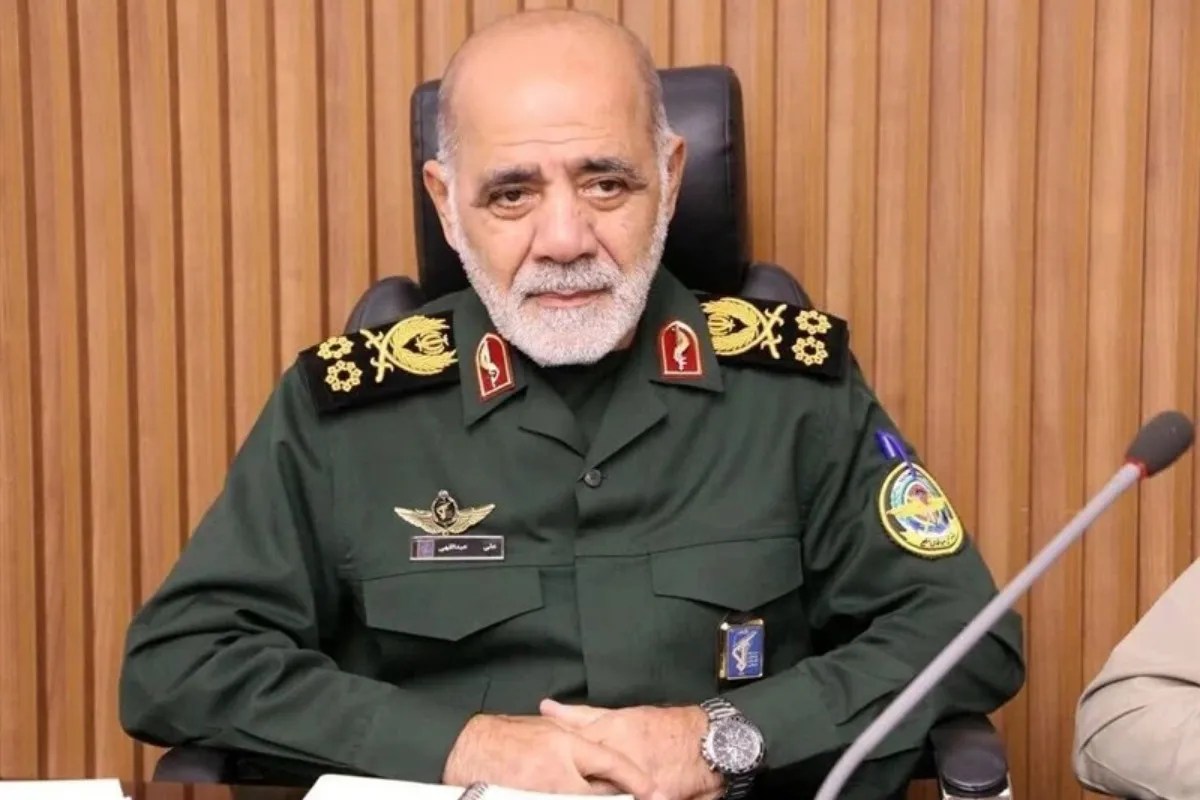
High-ranking commanders of the Iranian armed forces have issued stark, coordinated warnings regarding regional military escalation, stating that any new conflict initiated against Iran would engulf the entire Middle East in uncontrolled fallout. This latest rhetoric from Tehran arrives amid intensifying diplomatic friction, shifting defense alliances, and ongoing anxieties over maritime choke points and proxy network mobilizations.
When military leadership steps out of the traditional command channels to deliver sweeping geopolitical ultimatums, the message is rarely meant for domestic consumption alone. It serves as a calculated signal to foreign capitals, an effort to recalibrate deterrence equations in an environment where miscalculation remains the single greatest hazard for global security.
The Architecture of Deterrence and Regional Blowback
Decades of asymmetric warfare, economic sanctions, and proxy friction have forged a distinct military doctrine in Tehran. The core premise centers on regional interconnectedness. Iranian defense strategists operate under the assumption that a localized strike is a structural impossibility. Any direct assault, they argue, triggers a chain reaction across critical energy corridors, maritime transit lanes, and allied regional factions.
Energy markets remain acutely sensitive to these calculations. The Strait of Hormuz handles a massive share of global petroleum transit. A wider regional conflagration immediately threatens tankers, insurance rates, and supply chains reaching far beyond the immediate theater. By emphasizing that a new war would sweep up all regional actors, military chiefs are leaning heavily on economic deterrence. They are reminding international observers that containment is an illusion once hostilities cross a certain threshold.
Strategic Posturing Versus Operational Reality
Analyzing statements from military brass requires separating deterrence signaling from immediate operational postures. Tehran faces immense economic pressure, internal social complexities, and technological disparities compared to advanced Western and allied regional militaries. Total war is a catastrophic proposition that neither side genuinely seeks.
Yet, deterrence relies on credibility. To maintain that credibility, defense officials must project absolute resolve, even as backchannels quietly work to prevent escalation. This dual-track reality defines modern statecraft in the region. Public declarations of total fallout sit alongside cautious diplomatic engagements designed to keep friction below the threshold of open warfare.
The Miscalculation Hazard
The real danger in the current climate is not deliberate escalation, but accidental war. With multiple armed actors, naval patrols, and aerial surveillance operations packed into a compressed geographic space, the margin for error shrinks daily. A minor miscommunication at sea, a misinterpreted drone flight, or a rogue proxy action can instantly outpace diplomatic off-ramps.
Military warnings of total regional engulfment underscore a grim reality. When mutual distrust reaches saturation, the architecture of peace depends entirely on rigid protocols and clear communication lines. Right now, those lines are frayed, leaving diplomacy vulnerable to the next unexpected spark.