The 14-point peace proposal delivered by Tehran to Washington this weekend is not a white flag. It is a calculated ultimatum designed to leverage global energy paralysis against a White House that has tethered its political survival to "ending the wars." By demanding a total withdrawal of U.S. forces from the Persian Gulf and a sovereign "tax" on the Strait of Hormuz, Iran has moved past the simple desire for a ceasefire. They are now bidding for a regional reset that would effectively end the era of American maritime dominance in the Middle East.
Washington’s initial reaction has been a mix of skepticism and visible frustration. President Donald Trump, speaking from Florida, characterized the document as containing terms he "can't agree to," yet the sheer gravity of the proposal has forced a pause in military planning. The 14 points represent a significant escalation from earlier nine-point drafts, shifting the focus from bilateral de-escalation to a comprehensive restructuring of regional security. Meanwhile, you can read similar events here: The Geopolitical Cost-Benefit Analysis of the Eswatini-Taiwan Diplomatic Corridor.
The Sovereign Toll and the Hormuz Stranglehold
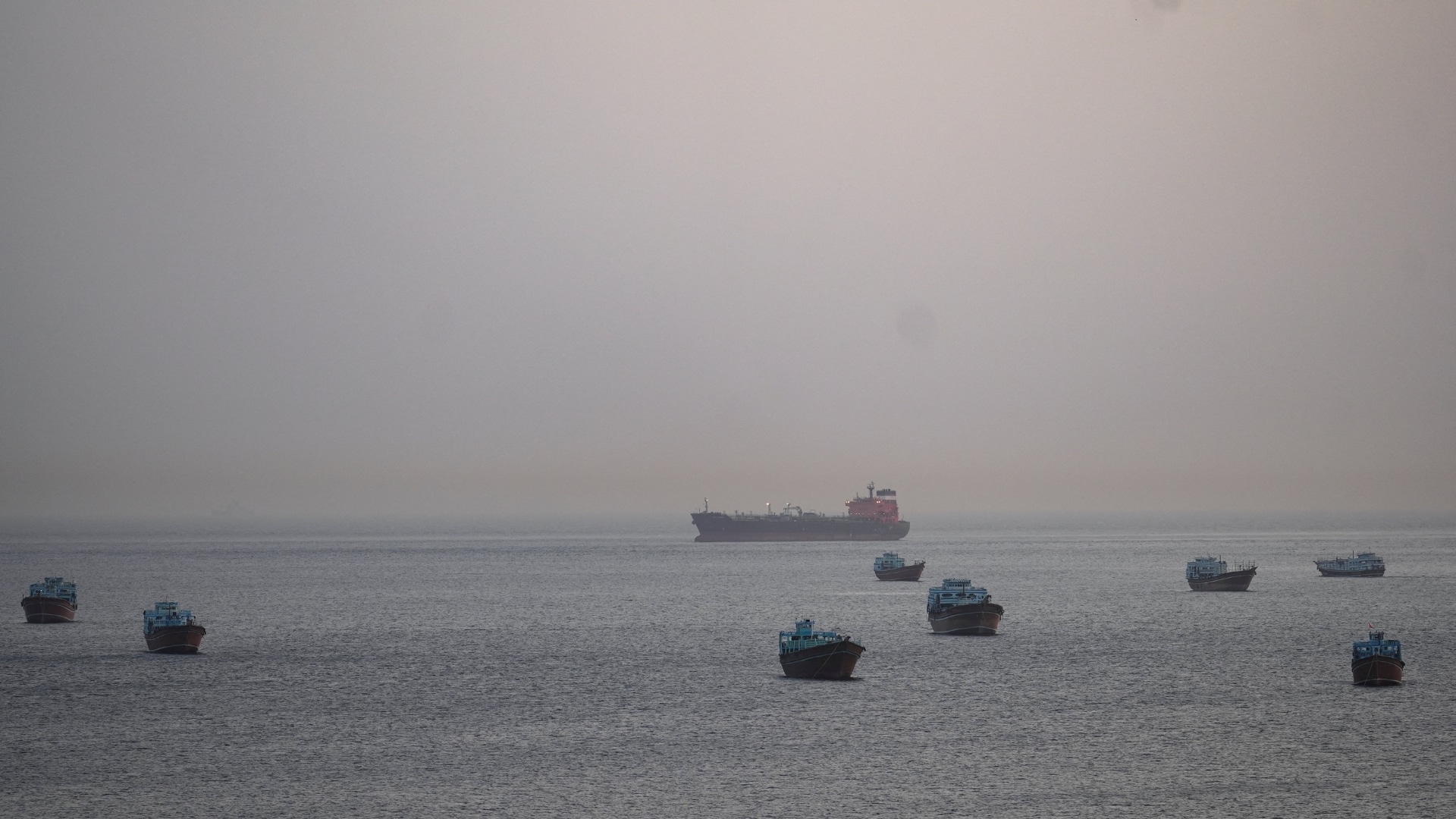
The most aggressive pivot in the new proposal involves the Strait of Hormuz. For decades, the U.S. Navy has guaranteed the "freedom of navigation" in these waters, treating the strait as an international commons. Tehran’s 14-point plan seeks to shatter that status quo.
Iran is proposing a "new control mechanism" that involves a conditional reopening of the waterway—which they currently blockade—in exchange for what amounts to a transit fee. Reports from regional intermediaries suggest a figure as high as $2 million per ship. This isn't just about revenue; it is a claim of absolute sovereignty over a choke point that carries 20% of the world’s oil. By proposing to "regulate traffic" in coordination with international bodies, Iran is attempting to codify its ability to turn the global energy tap on and off at will. To see the complete picture, check out the excellent article by Associated Press.
The strategic "why" here is clear. Iran has watched its oil exports crater under the current blockade. They are no longer content with just selling their own crude; they want to tax the crude of their neighbors. It is a bold play to turn a military stalemate into a permanent economic advantage.
Security Guarantees Without Nuclear Concessions
A glaring omission in the 14 points is any mention of Iran’s nuclear program. This is the "poison pill" for the U.S. State Department. While earlier negotiations often linked sanctions relief to enrichment caps, the current proposal treats the nuclear issue as a separate, future conversation.
Tehran’s logic is rooted in the "Maximum Pressure" era. They believe that providing nuclear concessions now, without first securing a total withdrawal of U.S. troops and the unfreezing of billions in assets, leaves them vulnerable to a future administration's whim. The proposal demands:
- A permanent, legally guaranteed end to the war on all fronts, including Lebanon.
- The immediate release of all frozen Iranian assets worldwide.
- A 30-day timeline for the full withdrawal of U.S. forces from areas "surrounding Iran."
- Formal "compensation" for war damages incurred during the recent conflict.
This is a "victor's peace" being proposed by a nation under heavy bombardment. It suggests a deep-seated belief within the Islamic Revolutionary Guard Corps (IRGC) that the U.S. and Israel are more exhausted by the conflict than the public rhetoric suggests.
The Internal Power Struggle in Tehran
The 14-point plan didn't emerge from a unified government. It is the product of an intense, often public, friction between the IRGC’s top brass and the remnants of Iran’s pragmatic diplomatic core.
Major General Ahmad Vahidi, the IRGC commander, is currently the primary decision-maker. His influence is visible in the uncompromising nature of the demands. Vahidi’s faction views the current global economic instability—fueled by skyrocketing energy prices—as Iran’s ultimate weapon. To them, every day the Strait of Hormuz remains closed is a day the pressure on the U.S. consumer increases.
However, this "ultrahardline" approach has its risks. Domestic infighting has become so acute that state media has occasionally carried contradictory reports on the status of the negotiations. The pragmatists warn that by asking for too much, Iran may trigger the very "total war" scenario they are trying to avoid. They argue that a 15-point U.S. proposal, which Iran rejected earlier this year, offered a more realistic path to sanctions relief, even if it required more transparency.
The Trump Dilemma
For the White House, the 14-point proposal is a political minefield. Accepting any part of it that acknowledges Iranian control over the Strait of Hormuz would be seen as a historic retreat. Yet, the 61% of Americans who now believe the use of military force against Iran was a mistake represents a powerful domestic constraint.
The U.S. has countered by warning shipping companies that paying tolls to Iran will result in immediate secondary sanctions. This creates a bizarre "double-blockade" where Iran blocks the ships physically and the U.S. blocks them financially.
If the 30-day window demanded by Tehran closes without a breakthrough, the region faces a return to high-intensity kinetic warfare. The IRGC has already signaled it is "fully prepared for any new adventures" from Washington. This isn't the language of a party looking for a way out; it’s the language of a party that believes it has found a way to win.
The 14 points are less a bridge to peace and more a map of the new Middle East Iran intends to build. If Washington refuses to pay the "price of the Strait," the next phase of this conflict will likely move from the shadows of proxy war into a direct, devastating confrontation over the world's most vital maritime artery.