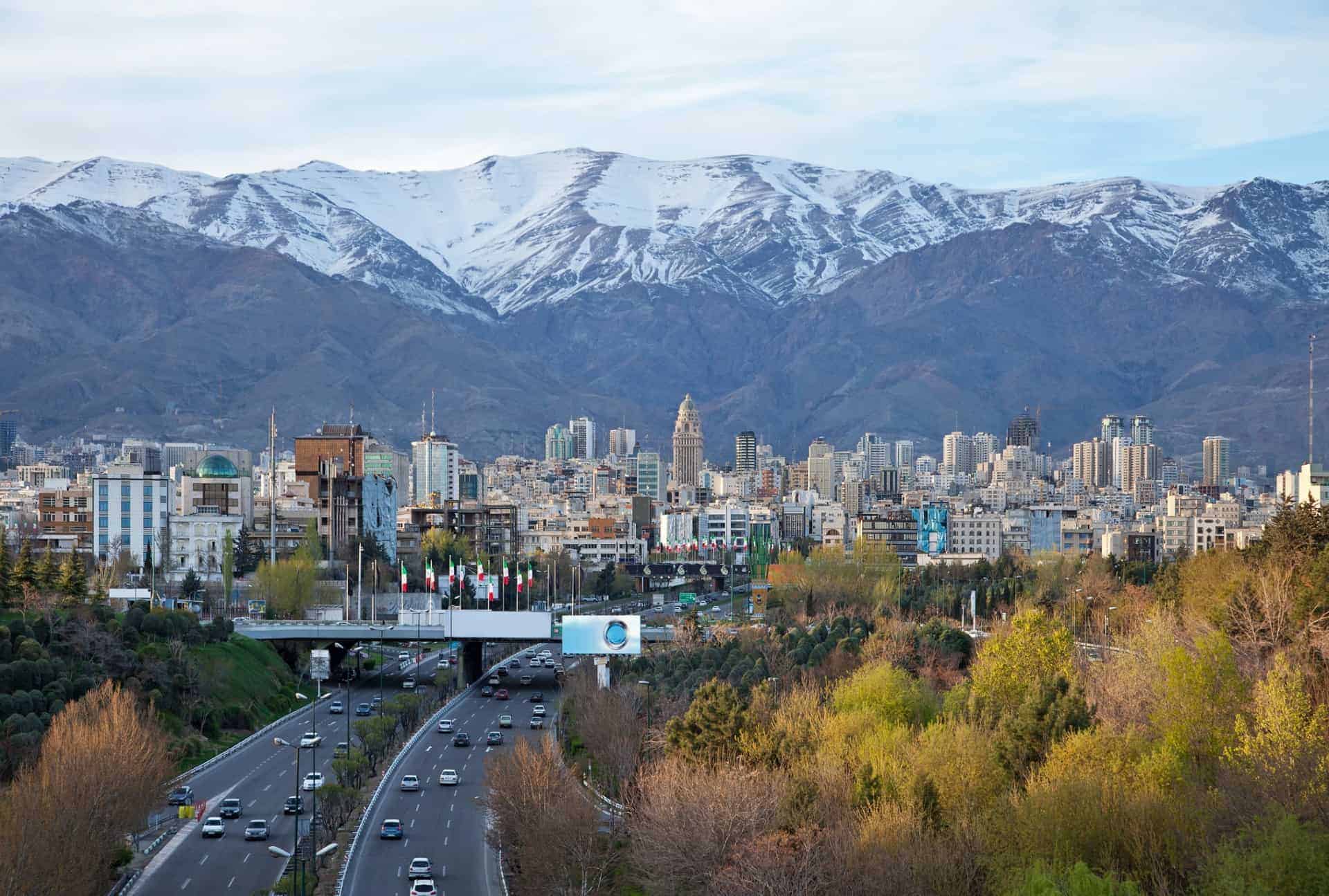
When hundreds of thousands of Iranians flooded the streets of Tehran in a state-orchestrated demonstration against Washington and its allies, international wire services rushed to frame the event through a familiar, lazy binary. Headlines screamed of monolithic defiance, portraying a population completely unified behind the clerical establishment. Other outlets dismissed the crowds entirely as coerced state functionaries marched out for domestic propaganda. Both narratives miss the brutal, complex reality on the ground. Decades of covering geopolitical friction zones reveal a consistent truth: external military pressure rarely dismantles an authoritarian regime from the outside. Instead, it provides the precise oxygen that ruling elites require to suffocate internal dissent.
To understand why ordinary citizens who despise domestic oppression will still show up or bite their tongues during an existential foreign conflict, one must abandon Western wishful thinking. Foreign policy pundits frequently fall prey to the linear assumption that a population suffering under economic collapse and heavy-handed internal policing will naturally welcome an external adversary as a liberating force. History repeatedly disproves this theory. When bombs begin to fall and ports are blockaded, the psychological perimeter shifts instantly from civil liberties to collective survival. The state ceases to be merely a corrupt political entity; it becomes the sole administrative apparatus capable of managing anti-aircraft defense, food distribution, and national borders.
Consider a hypothetical example to illustrate this psychological pivot. Imagine a neighborhood enduring a severe external siege where basic infrastructure collapses. Residents who spent the previous month protesting municipal corruption suddenly find themselves sharing a makeshift bunker with local security forces. In that moment of shared vulnerability, the external threat eclipses the internal grievance. The enemy of my enemy ceases to be an abstract political talking point and becomes the entity trying to destroy the roof over one's head.
Tehran's ruling apparatus understands this mechanism intimately. The mobilization campaigns launched during the current conflict are not spontaneous expressions of popular affection for theocracy. They are calculated exercises in political consolidation. By manufacturing massive public displays of resistance, the state forces every citizen into a public binary. Neutrality becomes nearly impossible when survival is tied to public compliance. Dissent is instantly reframed by state media not as a legitimate grievance, but as active treason aiding a hostile foreign power.
This dynamic effectively freezes domestic reform movements in their tracks. Just years prior, Iran witnessed historic anti-government protests led by citizens demanding fundamental social and political change, movements that met with lethal crackdowns. Yet once the military threshold was crossed and the country became an active theater of war, those internal fault lines were forcibly submerged. Young citizens who were willing to risk their lives against the morality police found themselves weighing a grim calculus. Defying the regime while foreign missiles target domestic infrastructure feels less like revolution and more like national suicide.
Western policymakers continually miscalculate this reaction because they view foreign intervention through a vacuum. They assume that economic sanctions and kinetic strikes act as surgical tools that only target the regime's upper echelons. In practice, sanctions and military blockades grind down the middle class, vaporize private savings, and render the population entirely dependent on state-managed ration networks and subsidies. A population fighting for daily calories has precious little bandwidth left to organize a revolution.
The rallies in Tehran represent neither a genuine democratic awakening nor a hollow illusion that can be safely ignored. They are the predictable symptom of a nation backed into a geopolitical corner. Until foreign strategists recognize that external aggression hardens the shell of the state rather than softening its core, these cycles of nationalist consolidation will continue to frustrate every prediction of imminent regime collapse.
Iranians rally in biggest show of defiance against US since war began
This video captures the massive state-organized demonstrations in Tehran, illustrating the scale of the war-time rallies and the public messaging surrounding the conflict.