Cruising at 34,000 feet should be the quietest part of any journey. You read, you doze off, or you watch the cloud cover drift past the window. But on September 30, 2026, FlyDubai Flight 1073 from Dubai to Tel Aviv shattered that illusion permanently.
When the first officer launched a sudden, brutal assault on Captain Smit Machchhar using the cockpit crash axe, the aviation world was forced to confront a nightmare scenario. This wasn't just a localized workplace altercation or an isolated mental health crisis. Investigations by authorities across multiple nations revealed a calculated, extremist-inspired plot designed to turn a commercial Boeing 737 MAX 8 into a guided weapon.
If you think cockpit doors and standard security protocols make modern air travel entirely foolproof, this incident proves how fragile those barriers really are.
Inside the Cockpit During the Plunge
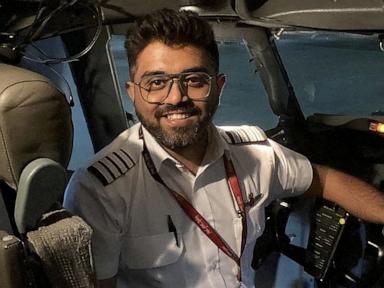
Captain Machchhar remembers the exact moment everything changed. The initial blows felt like a structural failure of the aircraft itself. Within seconds, he realized the threat was coming from his right seat.
First Officer Hamam al-Hammami had begun hacking away with the emergency axe while simultaneously shoving the yoke forward. The aircraft responded instantly, entering a terrifying vertical dive that dropped the plane from 34,000 feet to 17,000 feet in less than sixty seconds. G-forces spiked, and speed approached 600 miles per hour, pushing the airframe past its structural limits and tearing away most of the rudder.
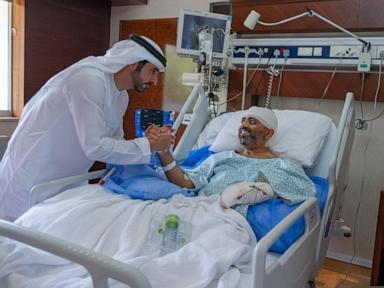
Bloodied and fighting off blows aimed directly at his head, Machchhar made the critical decision that saved everyone on board. He unbuckled, blocked the heavy strikes with his arms, and managed to hit the cockpit door release button while screaming for help.
He lost consciousness shortly after, but his actions unlocked the door just as passengers and off-duty crew members rushed the flight deck. Passengers including a former military cook and a local dentist pulled the attacker away, manually hauled back on the yoke to steady the plunging aircraft, and restrained al-Hammami with headphone wires and cable ties before deadheading FlyDubai pilots took the controls to land safely in Tabuk, Saudi Arabia.
The Radicalization Pipeline Nobody Wanted to See
What drives an airline pilot to attempt a mass casualty attack? Investigators digging into al-Hammami's background found a chilling digital footprint.
Intelligence agencies discovered that the 29-year-old Omani national had been quietly consuming extremist content online, including material related to al-Qaeda. UAE public prosecutors later confirmed that the suspect explicitly drew inspiration from the September 11 attacks, using previous commercial rotations to Tel Aviv to study flight routes and airport layouts.
The uncomfortable truth exposed by Flight 1073 is that insider threats remain aviation's blind spot. Airlines screen passengers rigorously through metal detectors and baggage scanners, yet pilots undergo psychological evaluations that rarely catch gradual ideological radicalization, especially when an employee hides their views from employers and colleagues. Al-Hammami had passed standard screening procedures, proving that background checks at the time of hiring cannot always predict what an individual might think years down the line.
Why This Changes International Flight Protocols
Governments didn't wait for the final inquiry report to react. Israeli officials immediately ordered comprehensive security reviews for all international carriers flying into Ben Gurion Airport. Security analysts are now fiercely debating whether rigid cockpit door protocols—designed strictly to keep hijackers out after 2001—actually backfired by trapping wounded crew members in during an insider attack.
When a pilot turns rogue from the inside, a locked, reinforced steel door transforms from a protective shield into a lethal cage. Aviation authorities worldwide are looking at biometric monitoring, mandatory dual-occupancy rules for flight decks at all times, and stricter behavioral surveillance.
The heroics of Captain Machchhar and the passengers in row 13 prevented an absolute catastrophe. But relying on passenger intervention at 34ಪಾ feet isn't a long-term security strategy. Aviation security must evolve to catch the threat before the boarding gate closes.