You drop your four-year-old off at daycare, trusting the staff to keep them safe. You expect snack time, nap mats, and finger-painting. You don't expect a makeshift toddler fighting ring.
That is the horrifying reality facing Heather and Richard Harris. They filed a $1 million lawsuit against Arka Montessori Academy of Risinger in Fort Worth, Texas, after surveillance video allegedly exposed a substitute teacher orchestrating physical fights between four-year-old children.
If you are a parent, this story makes your stomach drop. It forces you to question every background check, every facility rating, and every goodbye kiss you give at the front door.
What Actually Happened Inside the Classroom
According to the civil lawsuit filed in Tarrant County District Court, the incident unfolded on April 27. A regular teacher, Jacqueline De Luna, was managing an afternoon combined classroom. An initial altercation broke out between the Harris child (referred to as U.H. in court documents) and another boy.
De Luna separated the two children. Then, substitute teacher Chynia Johnson entered the room to provide coverage so De Luna could use the restroom. Coincidentally, Johnson’s own son was the other child involved in the dispute.
What followed, captured entirely on security cameras, bore zero resemblance to early childhood education.
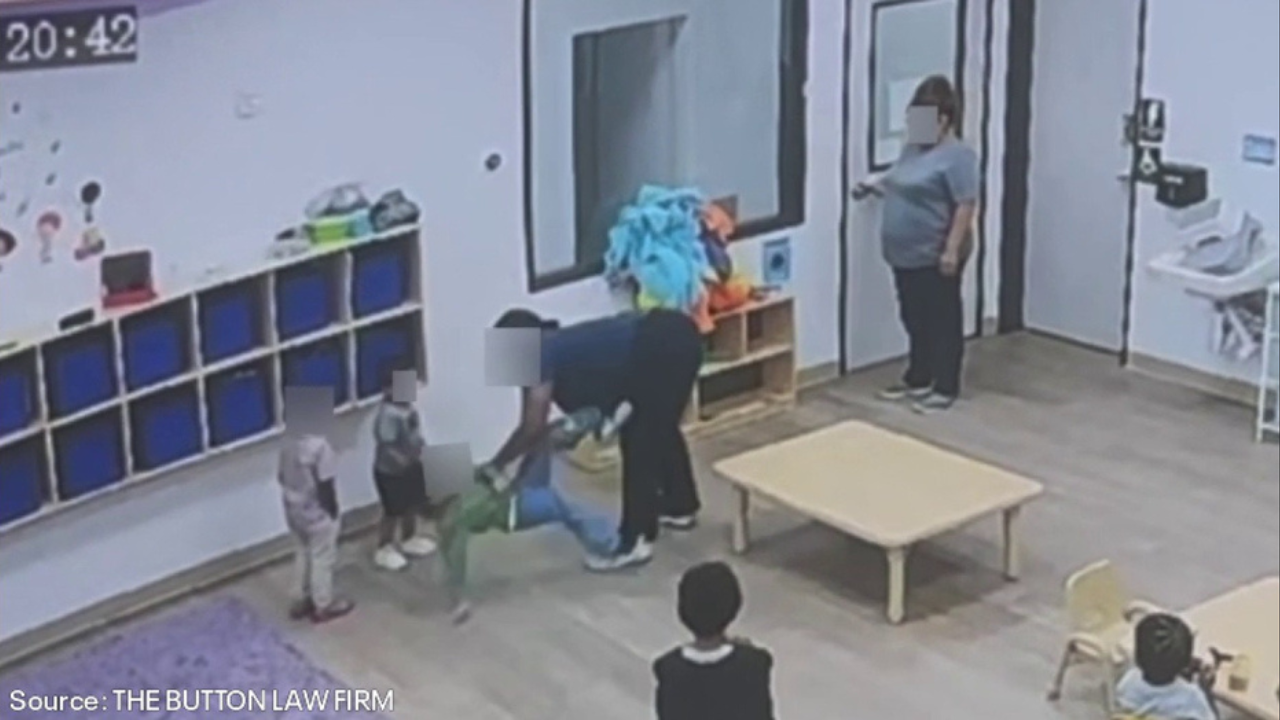
The lawsuit alleges that instead of diffusing the tension, Johnson escalated it. When her son pushed U.H., and U.H. raised his hands defensively, Johnson allegedly grabbed U.H., shook him, and shoved him away. Court filings state she then encouraged her son to charge at U.H. again.
When De Luna returned to the classroom, the situation worsened rather than stopped. The complaint claims Johnson physically dragged U.H. toward her son, holding the four-year-old's wrist and sweeping his legs out from under him. U.H. crashed hard onto the hardwood floor. The lawsuit alleges that De Luna stood by and watched the entire takedown without intervening.
When Heather Harris arrived to pick up her son, she found him crying hysterically. Staff members downplayed the event, brushing it off as a routine scuffle between two kids that had been promptly resolved. Skeptical of the brief explanation, the parents demanded to view the surveillance footage. What they saw prompted them to seek legal representation immediately.
The Broader Safety Record at Arka Montessori
A single rogue employee can do immense damage, but regulatory agencies look closely at institutional oversight. State records show this wasn't an isolated blip for the facility.
The Texas Health and Human Services Commission's Child-Care Licensing Division investigated the facility and cited the daycare for multiple violations. These citations covered improper disciplinary methods, inappropriate physical handling of children, yelling, and glaring failures in professional supervision.
Public records indicate the facility accumulated roughly 16 safety citations since opening in January 2024. These prior infractions included troubling instances of children left unattended outside or alone inside a classroom.
When a daycare accumulates a lengthy track record of administrative warnings before a major incident occurs, the legal stakes change. Families aren't just suing over the actions of one terrible substitute teacher; they are targeting systemic negligence. The lawsuit accuses the facility of gross negligence, pointing out that management failed to provide a safe environment or properly vet and monitor the adults placed in charge of vulnerable children.
Why This Lawsuit Demands More Than One Million Dollars
The Harrises are seeking over $1 million in damages, incorporating both compensatory and exemplary damages. Exemplary—or punitive—damages are designed specifically to punish reckless conduct and send a loud message to other childcare providers.
The physical toll on the four-year-old included bruises, scratches, and post-traumatic headaches. But the psychological fallout runs deeper. According to the complaint, the young boy has developed severe anxiety and ongoing fear regarding daycare environments.
Russell Button, the attorney representing the family, didn't mince words when speaking to local media. He described the classroom environment as a literal child fight club, noting that the young boy was tossed around like a human ragdoll by someone sworn to protect him.
The substitute teacher involved no longer works at the facility, and criminal charges had not been reported at the time of the initial civil filings. However, civil litigation remains a primary avenue for parents seeking total transparency when institutions try to sweep abuse under the rug.
What Parents Can Do Right Now
Incidents like this leave parents feeling entirely helpless. You cannot physically sit in a classroom all day. But you can take concrete steps to vet your childcare provider and spot warning signs early.
Start by checking your state's online childcare licensing database. Do not just look at whether a facility is licensed; dig into their actual inspection history. Look for repeat violations regarding supervision ratios, staff-to-child counts, and discipline policies. A single minor paperwork error is one thing; repeated citations for unattended children or aggressive staff behavior are massive red flags.
Pay close attention to behavioral changes in your child. Toddlers lack the emotional vocabulary to explain systemic mistreatment, but their bodies tell the story. Sudden, intense regression, night terrors, clinging behavior at drop-off, or uncharacteristic anxiety should never be dismissed as a phase without investigation.
If your instincts tell you something is wrong, trust them. Ask for incident logs, demand clarity, and do not hesitate to ask for video footage if an injury occurs on site. Accountability starts by refusing to accept vague explanations from people who are paid to protect your kids.