Theme park rides are engineered to thrill, not terrify us with real danger. But when headlines break about a fatal incident on a major coaster like Goliath at Six Flags Over Georgia, the illusion of absolute safety shatters instantly. You expect a temporary rush of adrenaline, not a life-altering tragedy. Yet, serious accidents still happen, leaving riders and investigators asking hard questions about what went wrong.
What Actually Happened at Six Flags Over Georgia
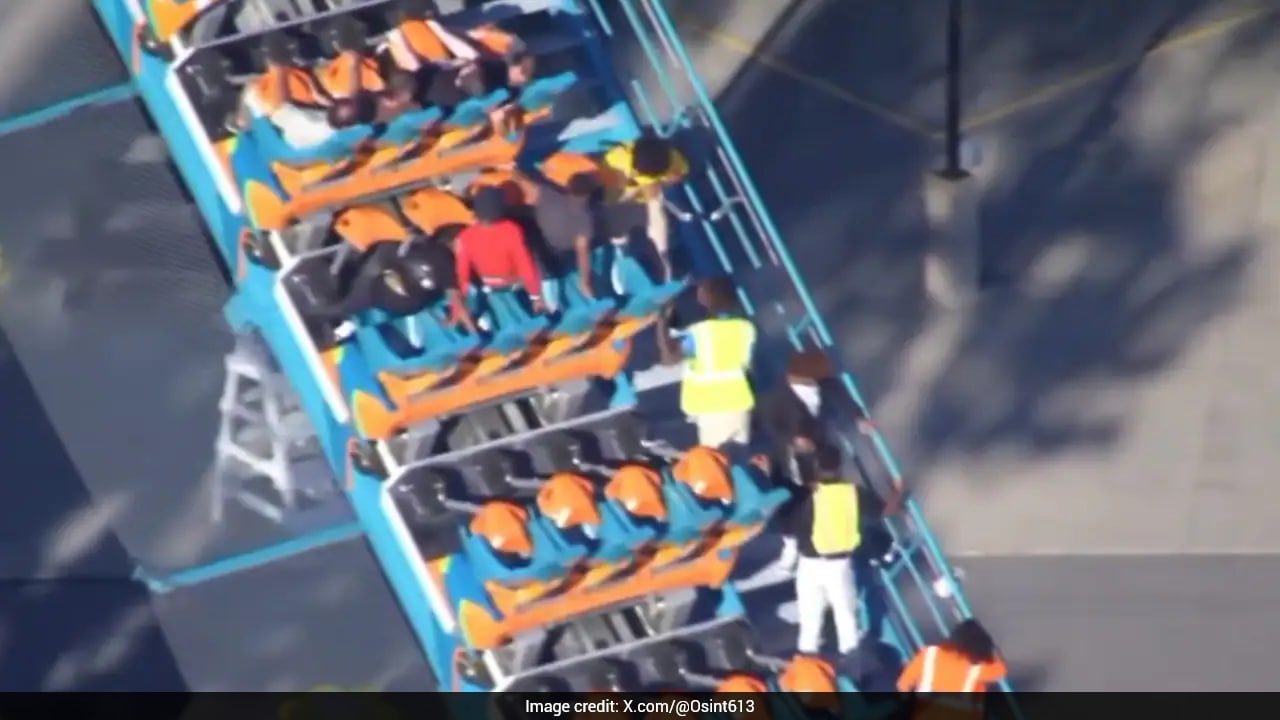
On an afternoon that started like any other, 42-year-old Hassan Jihad Ibn Kariem lost his life after being ejected from the Goliath roller coaster. Eyewitness accounts described a sudden, horrific moment where a rider was thrown from the train, striking other patrons and leaving multiple minors with non-life-threatening injuries.
Operating for two decades, Goliath is a high-speed steel coaster designed by Bolliger & Mabillard. It relies on massive drops and speeds reaching 70 mph rather than complex inversions. Because the ride is a staple of the park, the immediate aftermath triggered intense scrutiny from Cobb County police, state safety regulators, and the ride's manufacturer.
The fallout wasn't localized to Georgia, either. Six Flags corporate leadership took the unprecedented step of temporarily shutting down nine similar hyper-coasters across multiple parks in the United States and Canada. Rides like Raging Bull at Six Flags Great America and Nitro at Six Flags Great Adventure were pulled offline for reviews, while supplemental seat belts were slated for installation on select models.
The Hidden Realities of Roller Coaster Safety
Most people assume that theme park attractions are foolproof, monitored by infallible digital systems that make human error impossible. That's a comforting myth. Amusement park rides are complex mechanical systems operated often by seasonal staff under intense pressure.
When things go wrong, investigations usually expose a mix of factors:
- Restraint verification gaps: Even with modern hydraulic lap bars and seat belts, mechanical wear or human oversight during loading can create critical vulnerabilities.
- Extreme physical forces: Coasters like Goliath subject the human body to sudden g-forces, rapid transitions, and heavy lateral shifts.
- Maintenance oversight: As parks age, the demand for rigorous, non-destructive testing on tracks, chassis, and restraint bars becomes exponentially higher.
Independent roller coaster inspection experts have repeatedly pointed out that training and maintenance protocols vary wildly between parks. When technicians are rushed or undertrained, small mechanical anomalies can easily slip past daily checklists.
What the Industry Isn't Telling You
The amusement park industry relies heavily on self-regulation and state-level oversight, which can be inconsistent. While major manufacturers like Bolliger & Mabillard build exceptionally sturdy hardware, the operational safety depends entirely on how parks execute daily maintenance and enforce safety rules.
Accidents on major rides prompt immediate panic and temporary ride closures, but they rarely lead to systemic, transparent overhauls of how theme parks communicate risk to the public. Corporations often opt for quick fixes—like adding secondary restraints or updating operating manuals—without addressing deeper concerns about aging infrastructure and staffing pressures.
If you're heading to a theme park anytime soon, don't assume every safety barrier is bulletproof. Pay attention to how operators check restraints, report any unusual mechanical noises or rough braking to park staff, and remember that physics always wins if maintenance fails.
Six Flags: Records reveal faulty restraints & broken bones
This video provides a detailed investigative look into recurring maintenance issues and safety records across various Six Flags locations.