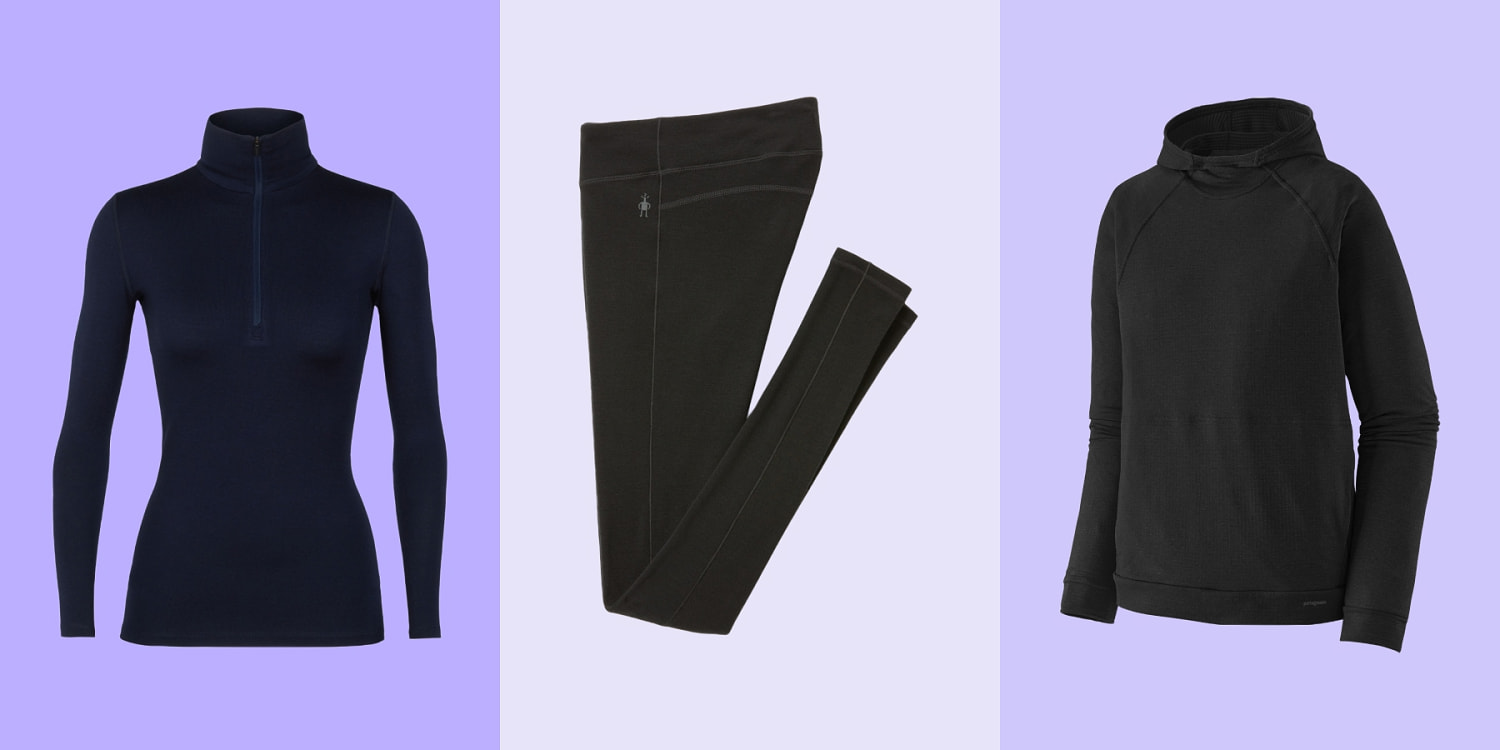
You buy a cheap set of synthetic long underwear, step outside into a crisp January freeze, and within twenty minutes you are shivering. The fabric feels damp against your skin, trapping your sweat instead of getting rid of it. You end up freezing, uncomfortable, and convinced that winter gear is a scam.
The gear isn't a scam. You just picked the wrong fabric.
Most people treat base layers as an afterthought. They grab whatever is cheap at the local big-box store, throw it under their jeans, and hope for the best. That approach guarantees misery. When the temperature drops below freezing, your base layer is the single most important piece of clothing you own. It manages your microclimate, trapping heat while shoving moisture away from your skin. Get this layer wrong, and nothing else you wear will save you.
Let's look at why standard gear fails, which materials actually hold up, and how to pick the right thermal underwear for your exact winter needs.
The Merino Wool Advantage
Merino wool sounds counterintuitive. Wool is supposed to be scratchy, heavy, and impossible to wash. But merino is different. The fibers are remarkably fine, meaning they bend softly against your skin without any of that dreaded itch you remember from childhood sweaters.
More importantly, merino wool handles moisture better than any synthetic fiber on earth. When you sweat—even in freezing weather—merino absorbs vapor molecules inside the fiber structure and moves them outward. Even when it gets wet, merino wool retains its thermal properties. You stay warm.
I learned this the hard way on a freezing backcountry hike a few years back. My hiking companion wore cheap polyester thermals while I wore a mid-weight merino set. We both worked up a sweat climbing a steep ridge. Ten minutes later, we stopped to rest. Within seconds, the wind cut through us. My companion turned blue instantly because his synthetic top soaked up his sweat and went ice-cold against his skin. My merino top felt neutral, drying out gradually without stealing my body heat.
The downside? Price and durability. Good merino isn't cheap, and it wears out faster than synthetics if you abuse it in the wash. Wash it cold, skip the dryer, and it will last you seasons.
Synthetics Aren't All Bad
If wool isn't your style, synthetics still have a massive place in cold-weather gear. Polyester, nylon, and polypropylene dominate the athletic market for a reason. They dry lightning-fast and cost a fraction of merino wool.
Synthetics shine during high-output activities. If you are cross-country skiing, shoveling heavy wet snow, or running marathons in sub-zero temps, you want a tight-knit synthetic blend. Brands use specialized grid-fleece patterns on the inside of these garments. That grid traps warm air in the pockets while letting channels of air move freely so you don't overheat.
Polypropylene is worth special mention here. It absorbs virtually zero moisture. If you sweat heavily and need a barrier that stays bone-dry, polypro does the job. The catch? It holds onto body odors like nobody's business. You will wash it constantly, and after a few months, it might permanently retain a faint gym-bag aroma.
The Weight Trap
Manufacturers love throwing terms like lightweight, midweight, and heavyweight around. Those words mean nothing if you don't know your own body temperature and activity level.
Lightweight layers (around 150 grams per square meter for wool) are built for high-output movement in cool weather, or everyday office wear when the radiator is cranked too high. If you wear a lightweight synthetic base layer while sitting still at a football game in December, you will freeze.
Midweight layers (200 to 250 gsm) are the sweet spot for most people. They handle typical winter days, casual outdoor walks, and moderate skiing. They strike a balance between trapping heat and breathing.
Heavyweight layers (260 gsm and up) are reserved for extreme cold. Think ice fishing, sitting in a deer blind for six hours, or walking the dog when the wind chill hits minus twenty. If you wear a heavyweight merino top indoors, you will sweat through it in minutes.
Fit Matters More Than Fabric
You can buy the most expensive merino wool on earth, but if it fits like a pajama top, you will still be cold.
A base layer must act like a second skin. It needs to touch your body across your entire torso and legs. If there are air gaps between the fabric and your skin, your body has to waste energy heating up those pockets of air before it can warm you. Worse yet, loose fabric lets air circulate, creating a mini wind tunnel every time you move.
When you try on thermal bottoms and tops, they should feel snug. Not painfully tight, but close-fitting. Your outer layers handle the roominess. Your base layer handles the contact.
Stop Making These Common Mistakes
People ruin their cold-weather setups by making a few predictable errors.
First, they wear cotton. Cotton is the absolute enemy of warmth. It absorbs water like a sponge, holds onto it, and chills your skin rapidly. Ditch the cotton socks, ditch the cotton long-sleeve shirts, and absolutely ditch cotton thermals.
Second, they layer too tightly on top of their base layer. If you cram a thick fleece over a skin-tight base layer, you compress the materials and crush the tiny air pockets that provide insulation. Give your layers a little breathing room.
Third, they forget about their feet and hands. Your core stays warm when your extremities are protected. Invest in good wool socks and make sure your boots aren't laced so tightly that they cut off circulation. Cold toes ruin a winter day faster than anything else.
Check your current winter drawer. Throw out the old cotton waffle-knit shirts that stretch out after two washes. Invest in one solid, midweight merino wool top and a reliable synthetic bottom. Wear them right, keep them dry, and winter stops being something you endure and starts being somewhere you can actually enjoy.