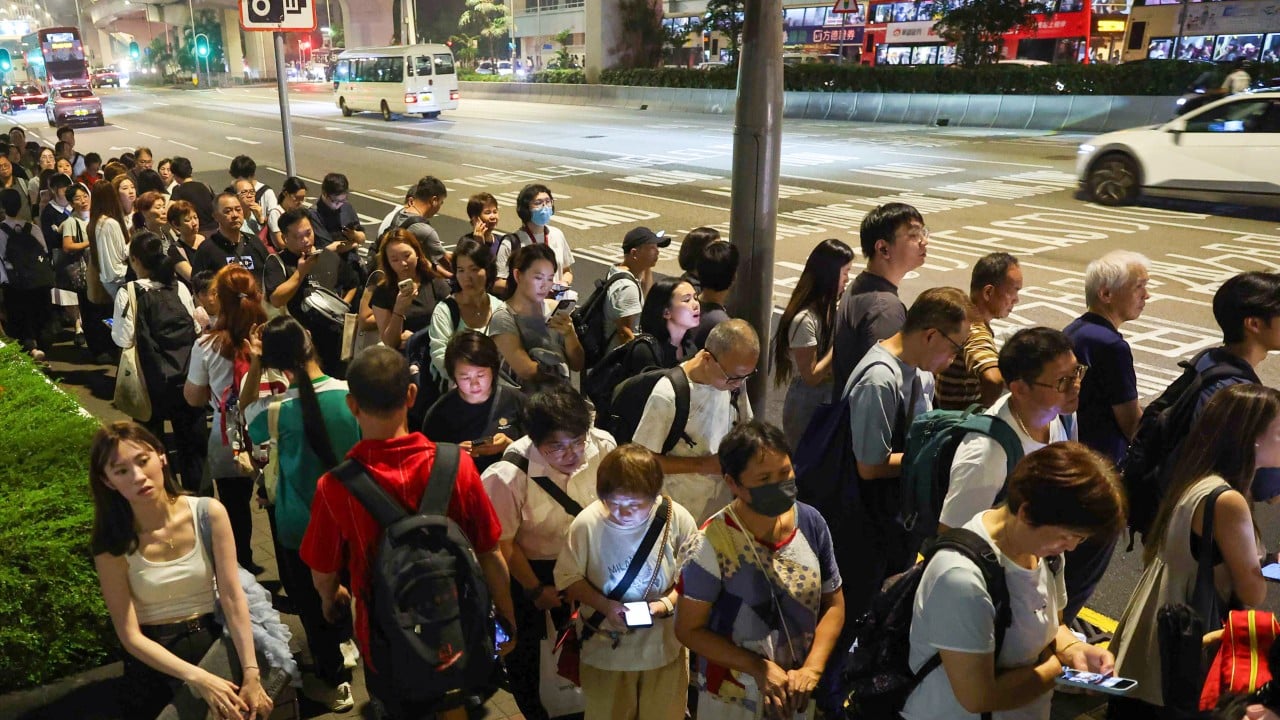
Two rush-hour meltdowns at the exact same station inside 15 hours? Yeah, I'm not buying "pure bad luck" either.
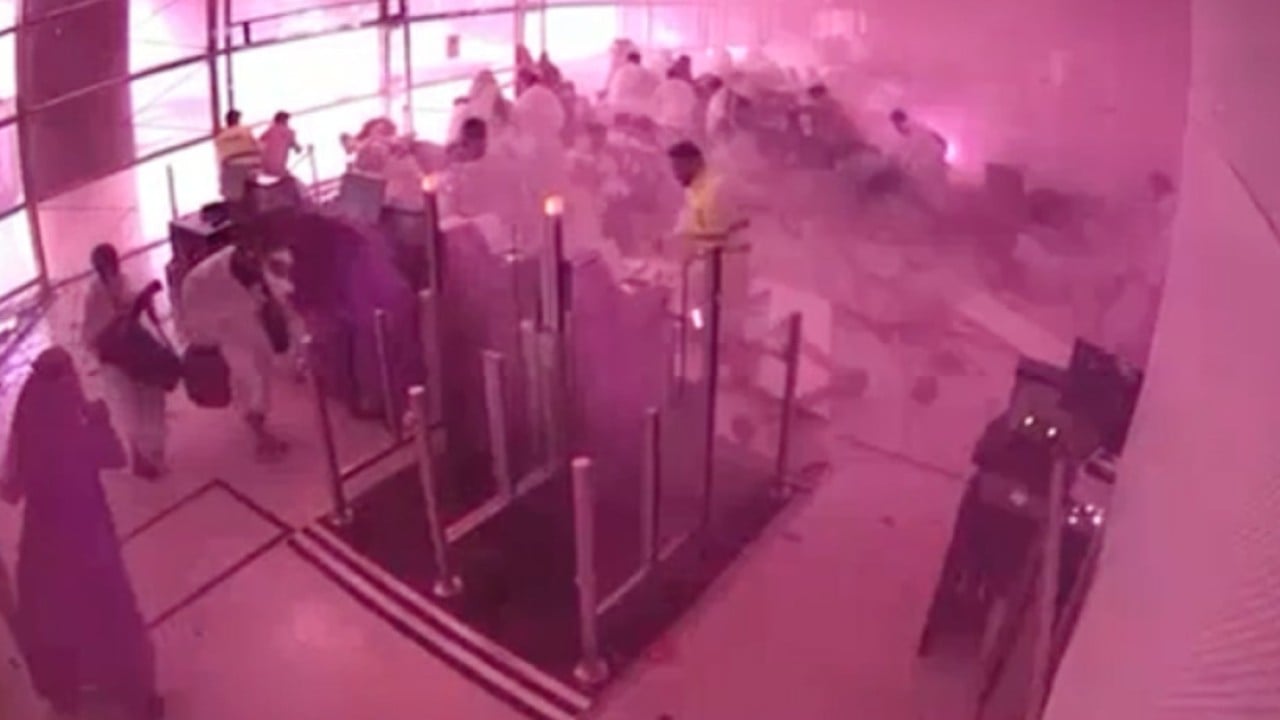
In mid-October 2026, commuters along Hong Kong's Kwun Tong Line got hit with back-to-back headaches around Lam Tin station. First came a Tuesday evening trackside fire near Lam Tin on October 13, when a rubber insulating part on a rail switch caught fire—likely from a short circuit—halting trains between Kwun Tong and Tiu Keng Leng right around 5:30 PM. Then, less than a day later on Wednesday morning, October 14, smoke from overheating electrical cables inside a platform equipment room forced Lam Tin station to close during the morning peak, making trains skip the stop for roughly an hour. You might also find this related article useful: Why South Korea Offender Tracking Fails Before A Blade Hits.
MTR Corporation apologized, put out the fire, cleared the smoke, and promised probes. Yet electrical engineering voices—including former Hong Kong Institution of Engineers electrical division chairman Edward Lo Wai-chau—pointed out that two MTR disruptions separated by 15 hours around the same station raise a real question: were they connected through shared electrical circuits, or through post-incident switching and restoration steps?
Why Two Back-to-Back MTR Disruptions Look Suspicious on Paper
When a high-frequency metro line like the Kwun Tong Line hiccups once during peak travel, commuters shrug and check bus queues. When it stumbles twice in 15 hours at the same bottleneck, people start asking whether someone put a Band-Aid on a deeper wound. As highlighted in latest reports by NBC News, the effects are significant.
Look at the sequence. Tuesday evening's fault happened outside near the track switch between Kwun Tong and Tiu Keng Leng. Wednesday morning's incident happened inside the station's platform electrical and mechanical equipment room, where overheating cables produced smoke during morning rush hour.
At first glance, an outdoor switch component and an indoor equipment room sound like two separate stories. In real railway engineering, they rarely live in airtight silos. Track switches, signalling circuits, power feeds, and station equipment rooms often share common buses, control paths, or load redistributions. Even when two pieces of gear sit rooms apart, a thermal event or short circuit on one side can stress insulation elsewhere, or push operators into temporary routing modes that carry hidden risks.
Honestly, that's where armchair guesses fall apart and physical evidence has to do the talking. You don't prove a link just because the clock ticked 15 hours between two headlines. You prove it by tracing exact wire runs, load currents, breaker trips, and work logs.
How Shared Circuits and Restoration Procedures Can Connect Incidents
When an electrical engineer looks at back-to-back faults on a heavy metro line, two broad hypotheses usually come up first. Neither is guaranteed without forensic testing, and both show how fragile complex transit gear can be under pressure.
Shared Electrical Paths and Hidden Thermal Stress
A short circuit on a rail switch doesn't happen in a vacuum. When an insulating rubber component fails and ignites—preliminarily tied to a short circuit in the October 13 switch incident—abnormal current paths or fault clearing can send electrical or thermal transients through connected infrastructure.
Even if a cable doesn't catch fire on the spot, high current or heat cycles can degrade insulation resistance over hours. A cable that was already running warm or carrying marginal insulation can cross the line into overheating hours later, especially when morning peak demand ramps back up.
Reversal Steps and Temporary Operating Modes
The second angle is procedural. After an evening disruption, crews isolate faults, test switches, restore power feeds, and bring trains back into service. If any temporary isolation, manual override, cross-feed, or restoration step isn't cleanly reversed—or if equipment is restarted before full thermal stabilization—a second fault can show up during the next rush hour.
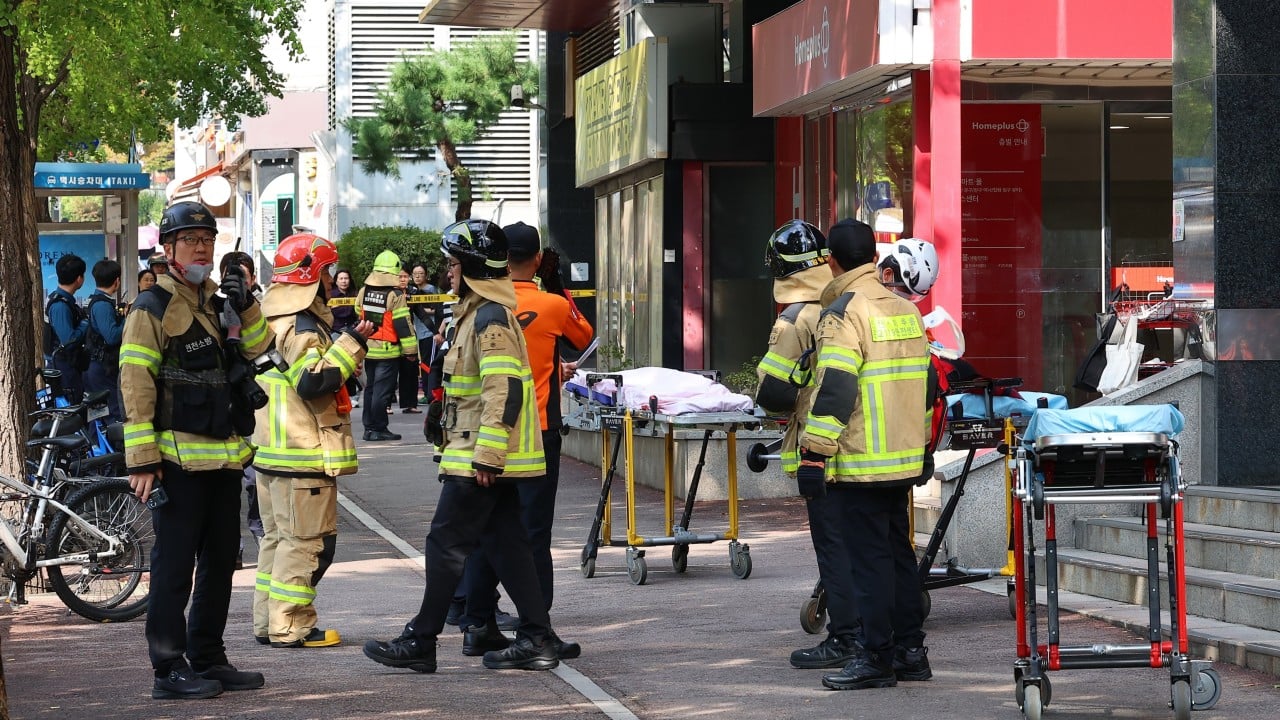
That doesn't mean staff were careless. Anyone who has worked around live rail systems knows how intense rush-hour recovery is. You're balancing passenger safety, train spacing, emergency services, and station crowds all at once, as seen when firefighters responded and passengers at Lam Tin were guided out through turnstiles on Wednesday morning. Still, checking whether post-incident procedures left any circuit exposed is basic, essential engineering hygiene.
What the Official Probes and Timeline Tell Us So Far
Let's stick strictly to what has been publicly confirmed rather than inventing a neat mystery.
Following the October 13 and October 14 incidents at Lam Tin, MTR Corporation committed to investigating both events. Transport and Logistics Secretary Mable Chan called for a report from the rail operator within a month, and MTR submitted a preliminary investigation report to the Legislative Council by late October 2026, noting inspections of stations with similar switches and work to optimize arrangements.
What remains notable isn't a confirmed smoking gun linking the two events—no official finding has declared them causally tied as a single chain reaction. What matters is that the operator had to answer for two peak-period disruptions at the same station in under a day, right alongside broader scrutiny of MTR reliability and construction oversight in late 2026.
Whenever data is still being audited or reports are preliminary, overstating certainty is a mistake. Saying "they definitely caused each other" goes past the evidence. Saying "they couldn't possibly be related" ignores how interconnected rail power and control systems really are.
Why Lam Tin and the Kwun Tong Line Feel Every Ripple
Lam Tin isn't just a quiet neighborhood stop. It sits on one of Hong Kong's oldest, busiest urban corridors, where train headways are tight and thousands of riders depend on predictable transfers and steady intervals.
When a line runs at high frequency, there's very little slack in the schedule. A one-hour hold or station closure during peak hours ripples straight into crowded platforms, packed shuttle buses, and late arrivals across Kowloon and Hong Kong Island.
And from a rider's perspective, reliability isn't measured by annual averages alone. If you're standing at a closed station entrance on Wednesday morning after getting stuck the evening before, corporate averages feel pretty abstract. Trust is won or lost in how fast faults are diagnosed, how clearly information reaches commuters, and whether the same spot breaks twice.
Practical Moves for Commuters and Watchers Right Now
If you ride the Kwun Tong Line—or you're following how Hong Kong's rail oversight plays out after these back-to-back disruptions—a few concrete steps help right away.
- Build a 15-to-20 minute buffer on high-frequency stretches whenever you have a fixed appointment, interview, or flight connection during morning or evening peaks.
- Check real-time MTR alerts and bus alternatives before heading underground, especially if you're traveling through interchange or bottleneck stations like Lam Tin, Kwun Tong, or Tiu Keng Leng.
- Track the formal investigation findings from MTR Corporation, the Transport and Logistics Bureau, and Legislative Council reviews to see whether the switch insulation fault and overheating cable are treated as isolated wear or linked circuit issues.
- Keep a backup surface route in mind—such as franchised bus routes along the corridor—so you aren't stuck improvising at the curb if station access suddenly pauses.
Watch the technical findings on switch insulation and circuit separation closely—that's where the real answer lives.
Twin disruptions on Hong Kong's MTR gives quick visual coverage of how the back-to-back Lam Tin incidents unfolded and stranded commuters across the line.