The tea in Islamabad is always hot, bitter, and heavy with cardamom. In the back rooms of ministerial offices, away from the glare of television cameras and the sanitized press releases of Western capitals, the sound of a ceiling fan cutting through thick afternoon air is often the only accompaniment to conversations that could alter the course of a war.
I remember sitting across from a mid-level diplomat whose knuckles were white against his porcelain cup. He wasn't talking about grand strategies or high-minded doctrines of international law. He was talking about a phone call. A single, frantic midnight transmission that needed to travel between two capitals that had not spoken directly to one another in decades, yet desperately needed to prevent a regional powder keg from detonating.
Communication lines between Washington and Tehran do not run through pristine fiber-optic cables of trust. They run through a narrow, precarious channel held open by a third party with its own domestic fires burning out of control. Pakistan.
To understand why this matters, you have to look past the maps. You have to look at the geography of survival.
Islamabad does not mediate between the United States and Iran out of sheer altruism. Neutrality is a luxury for the rich. For Pakistan, keeping diplomatic channels alive is an act of acute self-preservation. Imagine standing on a narrow plank suspended over a canyon of fire. On one side stands Washington, holding the purse strings of global finance and wielding sanctions that can choke an economy into submission. On the other side stands Tehran, a formidable neighbor sharing a porous, rugged 900-kilometer border where insurgencies fester and sectarian tensions can spill over into domestic chaos overnight.
If a spark jumps that border, Islamabad burns first.
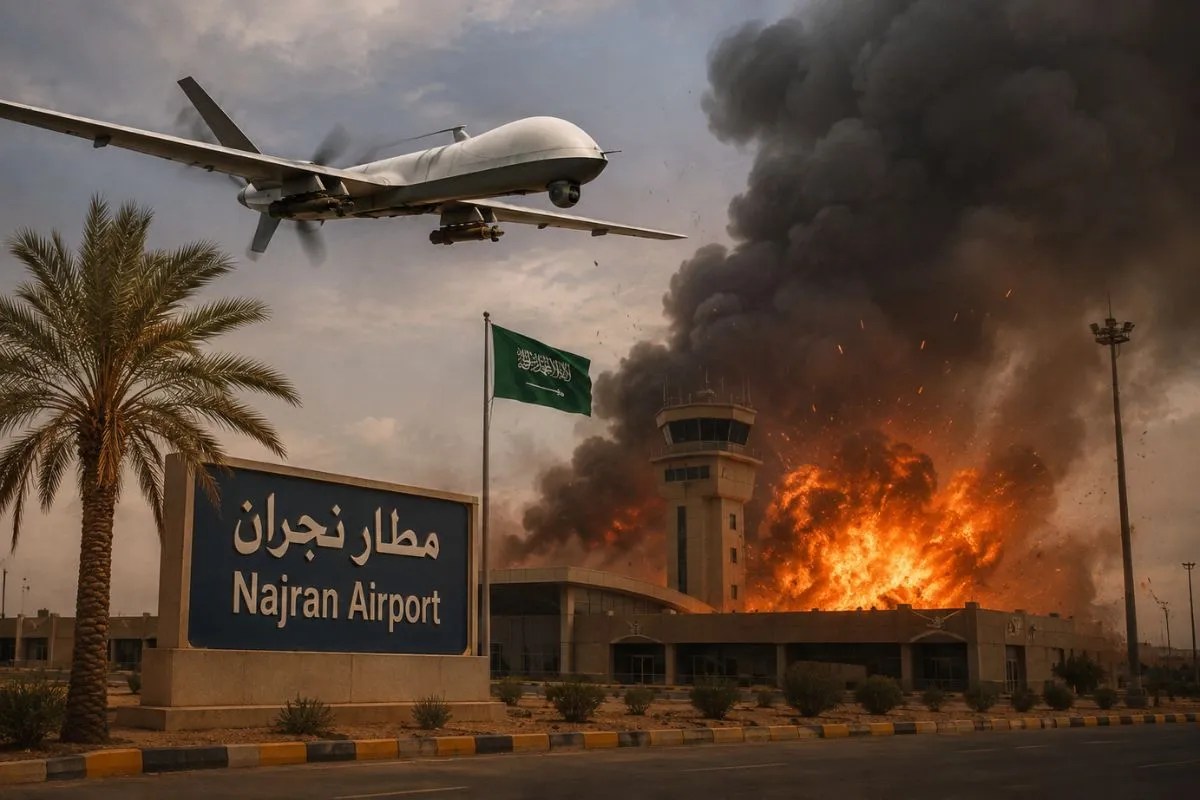
The mechanics of this quiet diplomacy are exhausting. When tensions spike in the Persian Gulf—when a drone target is locked or a tanker is seized—the frantic dialing begins. American diplomats do not call Tehran directly to lower the temperature. They pass messages through intermediaries. Pakistani envoys listen in Washington, take the temperature, measure the exact threshold of American patience, and then translate those warnings into a language Tehran can hear without losing face. Then comes the reverse journey. Iranian grievances, framed in revolutionary rhetoric, must be stripped of their ideological bluster and delivered to the State Department in terms of concrete security calculations.
It is translation work of the highest order. Not just of languages, but of realities.
Consider what happens next when mistrust deepens. Every diplomatic cable becomes thicker with suspicion. Every reassuring statement from Islamabad is scrutinized in Washington for signs of double-dealing, while hardliners in Tehran whisper that Pakistan is merely an American proxy doing Washington's dirty work.
This is the central irony of the Pakistani position. To be a successful bridge, you must be willing to let both sides walk all over you.
The historical weight of this role goes back decades. During the Cold War, Islamabad served as the secret conduit for the opening of relations between Washington and Beijing. Henry Kissinger’s famous clandestine flight out of Islamabad changed the twentieth century. But back-channel diplomacy in the twenty-first century is vastly different. The players are more fragmented. The digital noise is deafening. And the cost of failure is measured not in geopolitical realignment, but in radioactive fallout and asymmetric warfare.
Let us be honest about the current limitations. Can Pakistan actually keep this diplomacy alive indefinitely?
The domestic pressures inside Pakistan are immense. The economy has wobbled on the brink of default for years, requiring successive bailouts and emergency loans. Political instability grips the streets, with polarized factions fighting for control of the narrative while inflation erodes the purchasing power of ordinary families. A state struggling to manage its own internal security and currency devaluation is fundamentally limited in how much diplomatic heavy-lifting it can sustain abroad.
Yet, paradoxically, this vulnerability is precisely what gives Islamabad its unique credibility.
Iran knows Pakistan is not a Western superpower dictating terms from a position of absolute hegemony. The United States knows Pakistan understands the subterranean currents of regional militancy in a way Washington never truly will. They are an imperfect messenger. But they are the only messenger left standing in the room.
When you strip away the treaties and the UN resolutions, international relations come down to human beings sitting in rooms, staring at each other across scarred wooden tables, trying to decide whether tomorrow will look like yesterday or something much worse.
The tea grows cold. The fan keeps turning. And somewhere in the dark between Washington and Tehran, a message is being delivered, keeping the lights on in a world that seems perpetually intent on plunging itself into darkness.