You look in the mirror at 7:00 AM, and there they are. Two dark, bruised crescents carved beneath your eyes. They do not care that you slept for eight hours. They do not care that you drank your water. They look like exhaustion, even if you feel perfectly fine. Or worse, they look exactly how you feel: drained, overwhelmed, and visibly aging in real-time.
Skin tells stories we try desperately to hide. The thin layer of flesh just below the eye is a fragile ecosystem, barely half a millimeter thick. When we are stressed, dehydrated, or simply getting older, that delicate tissue thins even further, exposing the complex web of blood vessels underneath. It is a biological vulnerability that feels deeply personal.
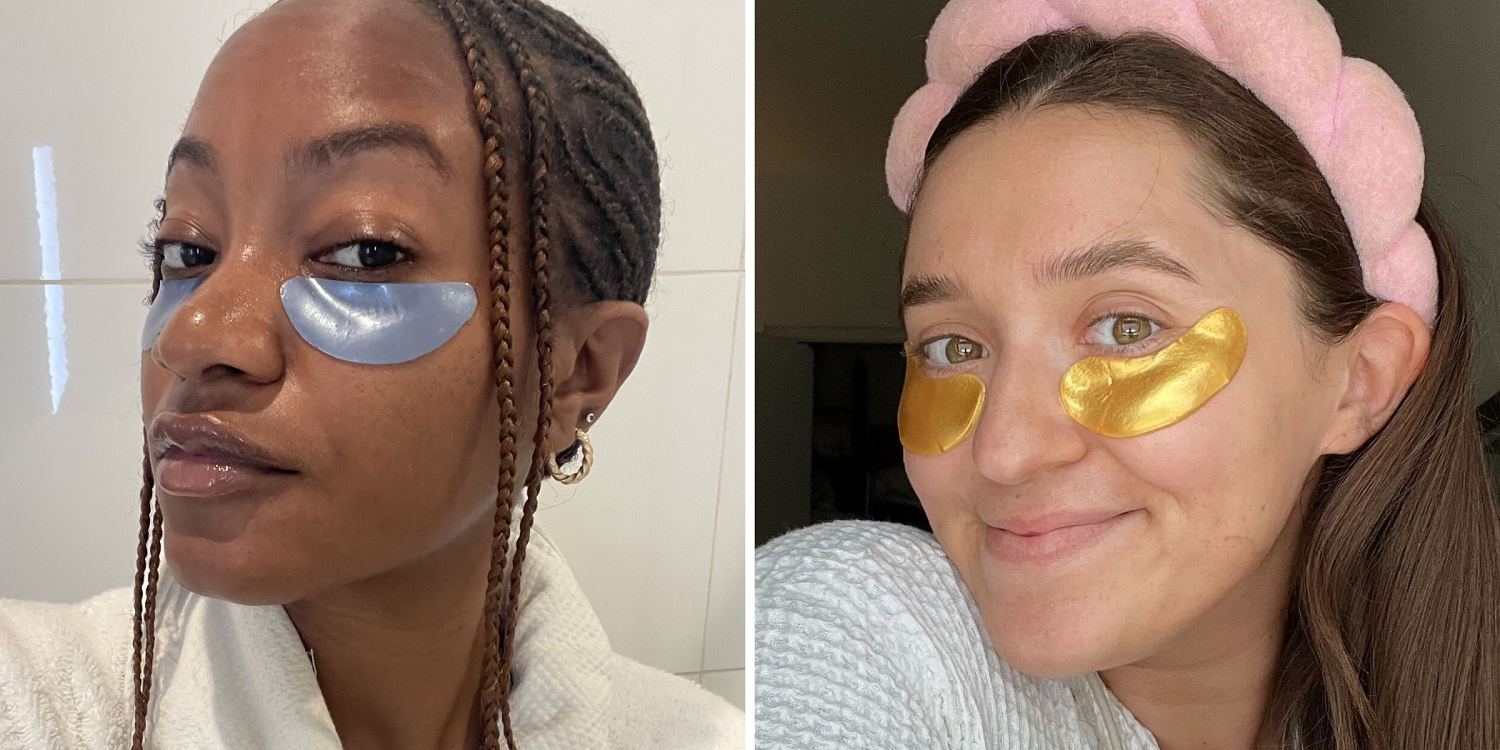
The beauty industry knows this vulnerability intimately. Type "how to fix dark circles" into a search bar at midnight, and you are flooded with thousands of promises wrapped in pastel packaging. Creams, serums, rollers, and masks. Recently, the world has fixated on hydrogel under-eye patches—those slippery, comma-shaped crescents that promise to erase a bad night’s sleep in fifteen minutes.
But do they actually work, or are we just buying a temporary psychological blanket?
To find out, we lived in these patches. We bought dozens of them. We wore them during morning Zooms, while cooking dinner, and in the dead of night. We measured the moisture levels of our skin, tracked the fading of hyperpigmentation, and watched how puffiness subsided—or didn’t. This is what happened when we stripped away the marketing jargon and looked at what these little gel sheets actually do for human skin.
The Chemistry of Modern Exhaustion
Consider Sarah. She is a hypothetical compilation of every person who helped us test these products. Sarah is thirty-four, works in project management, and stares at a blue-light emitting monitor for nine hours a day. She wakes up with what she calls "puffy luggage" under her eyes.
For Sarah, the morning routine is not about vanity; it is about armor. She wants to look alert enough that her colleagues do not ask, "Are you feeling okay?"
When Sarah applies a traditional eye cream, much of it evaporates into the air or gets rubbed off onto her fingers. This is where the hydrogel patch changes the equation through a simple mechanical process called occlusion. By trapping a concentrated serum beneath a physical barrier, the patch forces the skin to drink. It prevents evaporation, allowing active ingredients to penetrate deeper than a standard cream ever could.
But a patch is only as good as the liquid it holds.
During our weeks of testing, we discovered that most patches fall into three distinct categories, each designed to solve a different kind of morning crisis.
The first crisis is dehydration. When the skin under the eye dries out, it crinkles like crepe paper, making fine lines look like deep trenches. For this, the solution requires a heavy dose of hyaluronic acid and glycerin. These are humectants—molecules that act like microscopic sponges, pulling moisture out of the air and locking it into the skin.
When we tested patches rich in these ingredients, the transformation was immediate but fleeting. Within twenty minutes, the skin swelled slightly with moisture, smoothing out the fine lines. It is a brilliant illusion. It will last for an evening gala or a morning presentation, but it is a temporary fix. By nightfall, the moisture evaporates, and the crepe paper returns.
The Stubborn Shadow
Dark circles are a far more treacherous enemy than simple dryness. They are caused by two completely different biological mechanisms, which is why a product that works miracles for one person might do absolutely nothing for you.
The first cause is vascular. Because the skin under the eye is so thin, the pooling of sluggish, oxygen-depleted blood shows through as a bluish-purple shadow. This is the classic "I stayed up too late" look. To combat this, you need a vasoconstrictor.
Caffeine is the undisputed king here. It acts like a strict drill sergeant for your blood vessels, causing them to constrict and tighten.
During our testing, patches infused with high concentrations of caffeine delivered a visible, rapid awakening to sluggish skin. The puffiness drained away as fluid retention was swept back into the lymphatic system. The dark, bruised look faded within twenty minutes. If your dark circles are the result of a late-night flight or a crying streak, caffeine-loaded patches are your salvation.
But then there is the second cause of dark circles: hyperpigmentation.
This is not a blood flow issue; it is an excess of melanin, often triggered by genetics, sun damage, or friction from rubbing your eyes. Caffeine cannot fix melanin. If you apply a caffeine patch to genetically dark circles, you will watch twenty minutes tick by only to find the exact same shadow staring back at you in the mirror.
For hyperpigmentation, the battle must be fought with brighteners. We looked for patches containing vitamin C, niacinamide, and tranexamic acid. These ingredients do not constrict blood vessels; they interrupt the chemical pathway that creates pigment.
The catch? They require patience. You cannot fix structural hyperpigmentation in fifteen minutes. It took our testers three weeks of consistent, every-other-day use to notice a genuine shift in the tone of their skin. The shadows did not vanish entirely, but they softened, shifting from a stark charcoal gray to a manageable, easily concealed beige.
The Ritual of Self-Preservation
There is an unspoken element to this entire experiment that has nothing to do with dermatology. It is the psychological weight of the ritual itself.
Modern life asks us to be perpetually available. Our phones buzz with crises at 11:00 PM. We eat lunch while typing. We rush from one obligation to the next, carrying an internal hum of anxiety.
When you peel a cold, slippery hydrogel patch from its tray and press it onto your face, something strange happens. You are forced to slow down. If you move too fast, or if you laugh too hard, the patches slide down your cheeks. They demand a certain level of stillness.
Many of our testers admitted that the physical sensation of the cold gel against their skin served as a sensory reset button. Even the cheapest, least effective patches we tested offered a cooling effect that constricted blood vessels purely through temperature, mimicking the age-old trick of putting frozen spoons on your eyes.
But we also discovered that the market is flooded with garbage.
Dozens of the products we tested were nothing more than glorified water sheets scented with heavy synthetic fragrances. Fragrance is the ultimate enemy of thin eye skin; it causes micro-inflammation that can actually make redness and puffiness worse over time. We threw those away.
We also encountered patches that refused to adhere. There is nothing less luxurious than sitting at your desk while a piece of wet plastic continually slides into your mouth. The best patches we encountered utilized a high-density hydrogel that gripped the skin with a gentle, vacuum-like seal, allowing the user to drink coffee or fold laundry without a wardrobe malfunction.
Deciding What Your Mirror Needs
If you are standing in the skincare aisle, or scrolling through endless online reviews, you must first diagnose the nature of your exhaustion.
If your skin feels tight, flaky, and shows tiny cross-hatched lines when you smile, ignore the flashes of gold and glitter. Look for patches that list ceramides, peptides, and multiple weights of hyaluronic acid. They will give you the plump, juicy hydration that revives tired eyes before an event.
If you wake up with heavy bags and a dark purple tint from a lack of rest, hunt down caffeine and green tea extract. Keep the jar in your refrigerator. The combination of structural cold and active caffeine is the closest thing to an instant eraser the beauty world possesses.
If your shadows are a permanent fixture that you have carried since childhood, look for the long game: retinol, vitamin C, and kojic acid. Prepare yourself for a journey that takes weeks, not minutes.
We went into this test skeptical, assuming that under-eye patches were merely a gimmick designed for Instagram selfies. What we found was a nuanced reality. They are not magic. They will not alter your DNA, and they will not replace a chronic lack of sleep.
But on the mornings when the world demands you look sharp despite the chaos of your internal life, a well-formulated patch is a quiet, powerful ally. It buys you fifteen minutes of peace, plumps the skin, and diffuses the shadows just enough so that when you look in the mirror before walking out the door, you see yourself looking back, rather than your exhaustion.