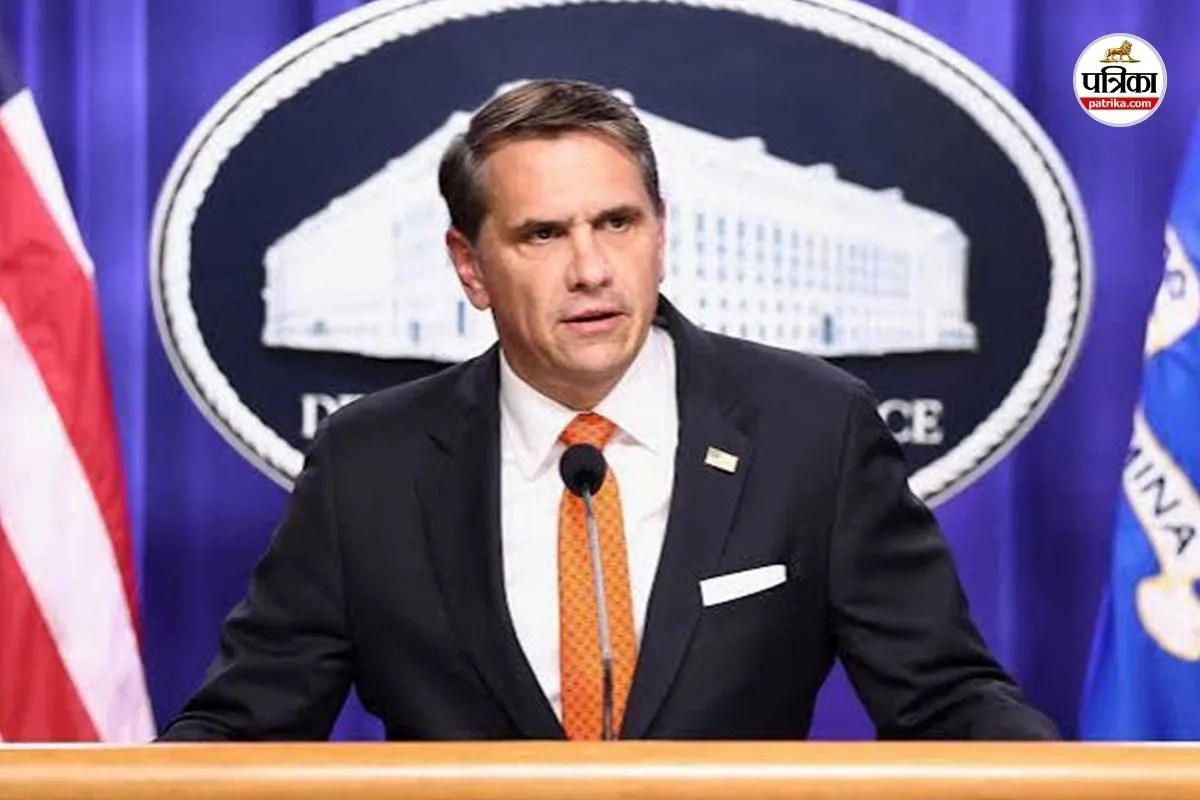
Power shifts in Washington rarely happen quietly, but the Senate confirmation of Todd Blanche as the nation's top law enforcement official came with enough political drama to rattle even the most seasoned observers. Securing the position by a razor-thin 50-49 vote, Donald Trump's former criminal defense lawyer now commands the Department of Justice.
If you think this is just another standard cabinet appointment, you're missing the entire plot. Blanche's ascension isn't business as usual. It represents a direct collision between executive authority and the traditional independence of American law enforcement.
The Anatomy of a Brutal Confirmation Fight
Getting Blanche past the finish line wasn't easy. The White House had to twist arms, negotiate behind closed doors, and survive a near-collapse of the nomination over a controversial tax settlement.
Senators from both sides of the aisle raised red flags. They worried about a proposed 1.8 billion dollar anti-weaponization fund linked to a settlement involving the Internal Revenue Service. Critics viewed the pool as a slush fund for presidential allies.
To salvage the vote, Blanche had to officially rescind the fund in writing. Even then, defections within the Republican party highlighted deep unease. Senators Susan Collins and Lisa Murkowski stood shoulder-to-shoulder with every Democrat to block him. Only a last-minute reversal by Louisiana Republican Bill Cassidy saved the day, pushing the tally to 50-49.
From Courtroom Defense to Cabinet Command
Transitioning from defending a president in a New York courtroom to running the entire Department of Justice is a massive leap. Blanche previously served as deputy attorney general and stepped into the acting role after Pam Bondi was ousted in April.
Trump wanted someone he could trust completely. Bondi reportedly faced resistance from career prosecutors, grand jurors, and federal judges as she tried to accelerate investigations into political opponents. Trump expects a different kind of compliance from Blanche.
Supporters argue that Blanche's background as a former federal prosecutor gives him the operational chops to manage day-to-day chaos. Critics counter that his absolute loyalty to the Oval Office threatens the very foundation of impartial justice. Both viewpoints carry weight. The reality usually lands somewhere messy in the middle.
What Happens Next Inside the Department of Justice
The immediate priority for Blanche involves tightening control over federal agencies and addressing high-profile investigative files. During his time as deputy, he managed the rocky rollout of documents related to the late sex offender Jeffrey Epstein. That rollout drew intense bipartisan criticism for missed deadlines and mishandled redactions.
Beyond past files, the broader agenda focuses heavily on administration priorities like immigration enforcement, tackling violent cartels, and ramping up investigations into past intelligence and law enforcement officials. Blanche has already appointed former Reagan-era prosecutor Joseph diGenova to spearhead a Florida-based probe examining whether officials conspired against Trump over the past decade.
This isn't about maintaining institutional norms. It's about retribution and redirection.
Keep a close eye on how career DOJ employees respond to leadership under a former defense attorney. Watch for court challenges against new investigative directives. The friction points are already multiplying, and the real test of Blanche's leadership is only beginning.