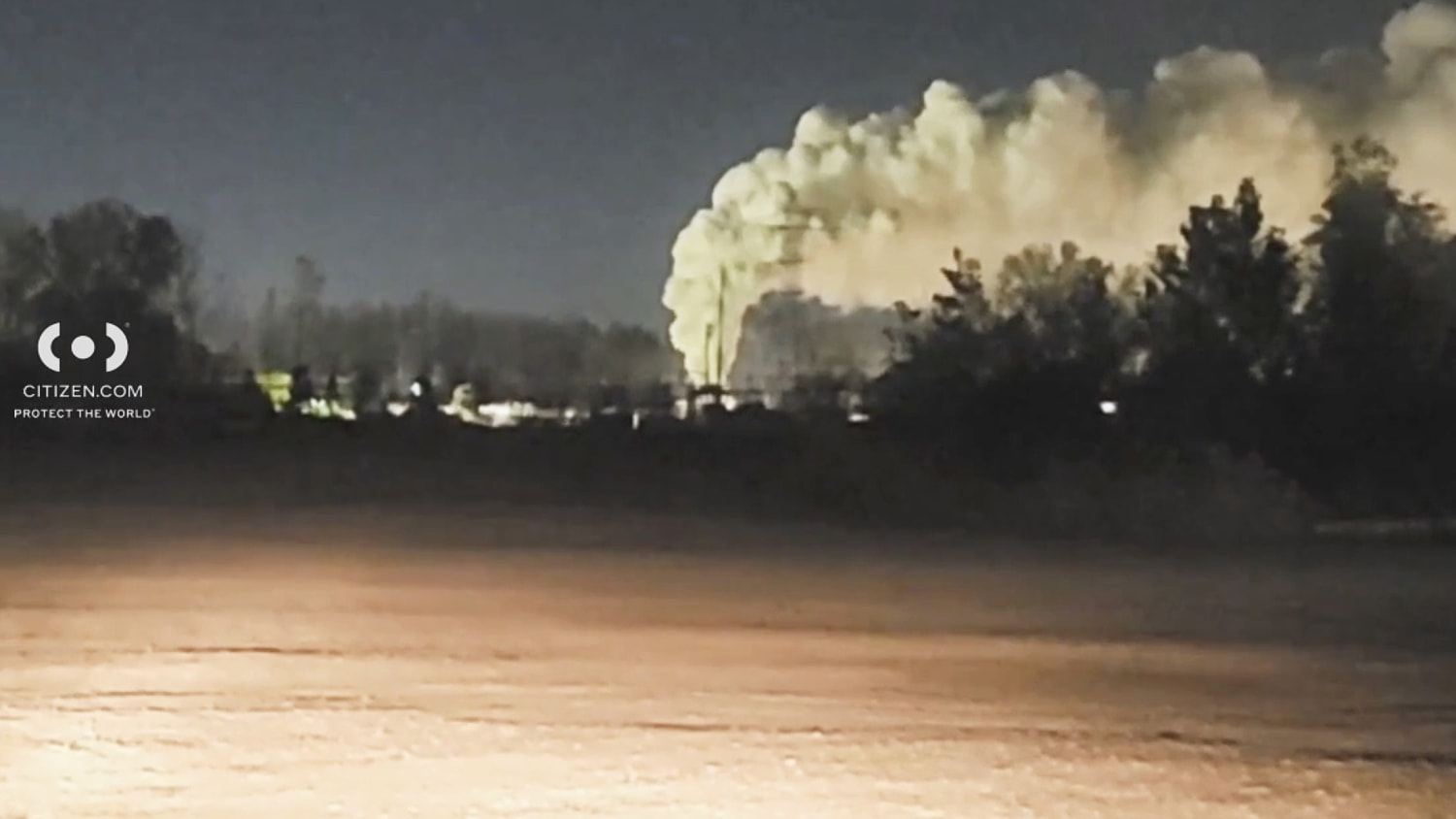
When a tank incident hits a dense industrial neighborhood at night, panic spreads faster than the plume. In late October 2026, a chemical tank incident at MC Tank Terminal on Progress Avenue in North Toledo triggered overlapping evacuation and shelter-in-place orders that left thousands of residents trying to figure out whether to pack a bag or lock their doors.
The short answer comes down to distance, blast risk, and wind behavior. Officials ordered a 1-mile evacuation zone around 1266 Progress Avenue after a 911 call came in around 9:30 p.m. on Tuesday, October 20, 2026, due to explosion fears. Hours later, around 4:24 a.m. on Wednesday, October 21, officials added a 3-mile shelter-in-place order based on preliminary plume modeling.
If you live near an industrial corridor, seeing two different orders in the same night feels contradictory. Honestly, it isn't. Evacuation moves people away from a localized explosion or severe immediate hazard zone, while sheltering in place keeps people behind closed walls and shut vents when an airborne plume drifts wider.
How the Toledo Incident Unfolded Hour by Hour
Emergency response rarely moves in a straight line during a hazardous materials event. First responders have to protect the public while keeping crews out of a potential blast zone.
According to the City of Toledo chemical release update, Toledo Fire & Rescue responded to an active release from a tanker at MC Tank Terminal on October 20. By 10:48 p.m., authorities told everyone within a 1-mile radius to evacuate because of explosion threats, affecting roughly 900 residents and nearby workplaces.
Early Wednesday morning brought another layer of concern. Around 4:24 a.m., officials issued a 3-mile shelter-in-place order using preliminary plume modeling, covering tens of thousands of people across parts of North Toledo, west neighborhoods, and areas stretching toward the Michigan border.
Some early reports also pointed to nearby addresses before pinpointing the source, and local businesses and schools felt the ripple effects fast. Jeep production at Stellantis shut down overnight, schools closed or adjusted schedules, and TARTA buses helped residents move out of the evacuation zone toward shelter points like Shoreland Elementary School and the Meijer parking lot on Alexis Road.
By 5:00 p.m. on Wednesday, October 21, improving air quality and dropping tank temperatures allowed Toledo Fire & Rescue to lift the shelter-in-place order and shrink the evacuation radius to half a mile. Crews continued monitoring and letting the tank stabilize rather than rushing in and risking another blast, eventually narrowing the evacuation zone to a quarter mile on Thursday morning before lifting it on Friday, October 23.
What Glycidyl Methacrylate Actually Does
The chemical released from the tank was identified by city and health officials as glycidyl methacrylate, an industrial compound used to improve performance in certain plastics, paints, and coatings.
When people hear "chemical tank explosion," their minds jump straight to permanent nerve damage or lethal gas clouds. That isn't what officials described here. Glycidyl methacrylate acts primarily as an irritant that can burn the eyes, nose, mouth, and skin. Overexposure can also trigger headaches, dizziness, tiredness, nausea, and vomiting.
Health officials noted that reported symptoms centered mostly on eye, throat, and skin irritation, with local healthcare providers evaluating dozens of people who sought medical checks after the release.
Here's a mistake people make after an irritant release. They step outside or open windows too soon because the sky looks clearer, or they panic over every strange smell miles away. Odors can travel far ahead of dangerous concentrations, and morning fog in Toledo added visual confusion without proving the chemical plume itself had blanketed every foggy street.
Evacuation vs. Shelter-in-Place in Real Life
Most emergency guides treat evacuation and sheltering in place like simple bullet points. In practice, people freeze up when they have pets, kids, asthma, or a car sitting in a driveway.
- Evacuating means leaving the high-risk radius immediately: When officials set a 1-mile or half-mile evacuation zone, staying put puts you too close to a potential blast, fire, or concentrated release. You leave, close up your home on your way out, keep car windows and vents shut while driving away, and head to designated shelter or safe areas.
- Sheltering in place means going inside and sealing out outside air: According to EPA chemical emergency guidance and OSHA shelter-in-place procedures, driving through a drifting vapor cloud can be worse than staying inside a closed building. You bring pets inside, close doors and windows, and shut off heating, cooling, or intake vents pulling air from outdoors.
- A wet cloth isn't a gas mask: If fumes ever start seeping into a room, a damp cloth over your nose and mouth offers only makeshift, temporary relief—not real filtration—while you move to cleaner air or call for help.
What sounds neat on paper gets messy when a shift worker is driving home at 11 p.m. or a parent has a toddler waking up coughing. If you're outside an active evacuation zone when a shelter order hits, pulling into a safe indoor space is usually smarter than driving aimlessly toward sirens.
Post-Incident Cleanup and Health Checks
Once orders lift, the job isn't quite done. Residues and lingering odors inside a home or on outdoor surfaces still need practical attention.
The Toledo-Lucas County Health Department advised residents in impacted areas to ventilate their homes once safe by opening windows and doors—ideally on opposite sides to create cross-ventilation—and wiping down surfaces where vapors or particles may have settled using warm water, dish soap, and gloves rather than harsh chemical cleaners.
Food safety matters too. Produce, pet food, or open water left outside or on counters during exposure should be tossed, whereas food sealed inside a closed refrigerator or freezer generally stays protected from airborne exposure.
If you ever get chemical vapors or residue on you, rinse skin or flush eyes thoroughly with water, take off contaminated clothing carefully, and get medical care right away if you have trouble breathing, persistent nausea or vomiting, dizziness, or confusion.
Practical Steps You Can Take Right Now
You don't need a bunker to handle a local hazmat alert better next time. Do three quick things today:
- Know how your HVAC and vents shut off: Check your thermostat, window units, and exhaust fans so you can cut outside air intake in seconds instead of hunting for switches in the dark.
- Save local health and non-emergency numbers: Keep your county health department, local 211 or municipal info line, and Red Cross contacts handy so you aren't tying up 911 for general questions.
- Keep a grab-and-go bag near the door: Pack medications, chargers, basic toiletries, leash or carrier supplies, and a copy of ID and insurance so leaving on short notice takes minutes, not an hour.