You can't hide behind a teleprompter when your own constituents are screaming in your face.
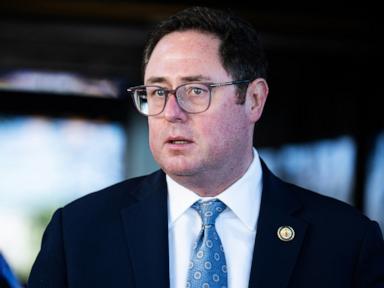
Nebraska Republican Representative Mike Flood found that out the hard way at his recent town hall meetings. If you think America's political divide is just something that happens on cable news or social media feeds, you need to look at what went down in Bellevue and Lincoln. Voters showed up furious, and they didn't hold back. Recently making headlines in related news: Why Nigel Farage Resigned to Fight a Political Circus Against Count Binface.
This isn't an isolated incident. It's a snapshot of a massive, brewing storm that could reshape the upcoming midterm elections.
The Bellevue High School Boiling Point
When Flood walked into Bellevue West High School for his scheduled town hall, he probably expected some tough questions. Nebraska's 1st Congressional District isn't a deep blue urban enclave; it's a mix of suburban communities and rural farmland. But the room erupted almost immediately. Further information regarding the matter are covered by NPR.
For an hour, hundreds of attendees bombarded the congressman with boos, jeers, and blunt demands. This wasn't a polite policy debate. It was raw political anger.
Voters pressed Flood hard on a massive policy and tax bill pushed by the Trump administration. They wanted to know why he supported sweeping government spending cuts championed by Elon Musk’s Department of Government Efficiency, cuts that everyday people fear will decimate essential public services. Every time Flood tried to pivot to his legislative wins, the crowd drowned him out.
It's Not Just About One Bill
What makes these confrontations so telling is that the anger isn't tied to a single issue. It's a cascade of frustrations.
During his recent forums, voters grilled Flood on everything from federal support for the SAVE America Act to foreign policy stances on Israel and NATO. Even local issues turned into screaming matches. In Norfolk, a resident openly accused Flood of lying about medical marijuana, prompting Flood to double down by snapping back that "weed is not medicine" despite Nebraskans voting to legalize it.
Look at the themes driving this rage.
- The Trump Backlash: Voters are tying local representatives directly to the most controversial headlines coming out of Washington.
- Economic Anxiety: Despite talk of a strong economy, people are feeling the squeeze of high costs and fear that federal cuts will make things worse.
- The Fascism Debate: In Lincoln, an audience member explicitly shouted, "How much does it cost for fascism?" highlighting the extreme rhetorical temperature of local politics right now.
Flood tries to shrug this off. He relies on his media background—he owns a network of radio and TV stations across Nebraska—to stay calm under pressure. He insists that nothing gets better unless politicians show up and talk to people. He even tries to frame himself as a common-sense, bipartisan lawmaker who focuses on housing bills.
But his colleagues see the strategy differently. Retiring Representative Don Bacon previously noted that Flood likes these fiery events because they can make the far left look bad on camera. Whether that strategy works is highly debatable. Right now, the viral clips just show a congressman losing control of the room.
The Playbook for Surviving Angry Voters
If you're a politician or a campaign strategist watching these town halls, you're probably sweating. The old playbook of giving a canned speech and taking pre-screened questions is completely dead.
If you want to survive a hostile public forum without becoming a viral disaster, you have to change how you operate.
First, stop trying to sell the party line when people are worried about their bank accounts. When Flood tried to tout a massive Trump policy bill, it felt completely disconnected from the immediate anxieties of the room. You have to acknowledge the pain first. If people feel ignored, they will yell louder.
Second, don't argue with the voters' reality. When Flood told a voter that medical marijuana isn't medicine, he effectively insulted the intelligence of everyone who supported the state's legalization efforts. You don't have to change your core beliefs, but dismissive language is political suicide in a room full of angry constituents.
The political climate heading into the midterms is volatile. Lawmakers who think they can coast on party loyalty are in for a rude awakening. If you're planning to attend a local town hall or run a campaign, watch the tape of Bellevue and Lincoln. The anger is real, it's organized, and it isn't going away anytime soon.