You’d think a company drowning in debt and looking for a buyer wouldn’t have the energy to pick fights with tech giants and Calgary swingers clubs. But Toys “R” Us Canada is doing exactly that. While the retailer sits in creditor protection, it’s aggressively swinging its legal weight around to protect a handful of symbols and names.
It might look like a desperate move from a sinking ship, but there's a cold, hard logic to it. When your physical stores are disappearing and you owe suppliers $120 million, your "intellectual property"—the stuff that lives on paper and in the minds of consumers—becomes your most valuable life raft.
The Battle for the Backwards R
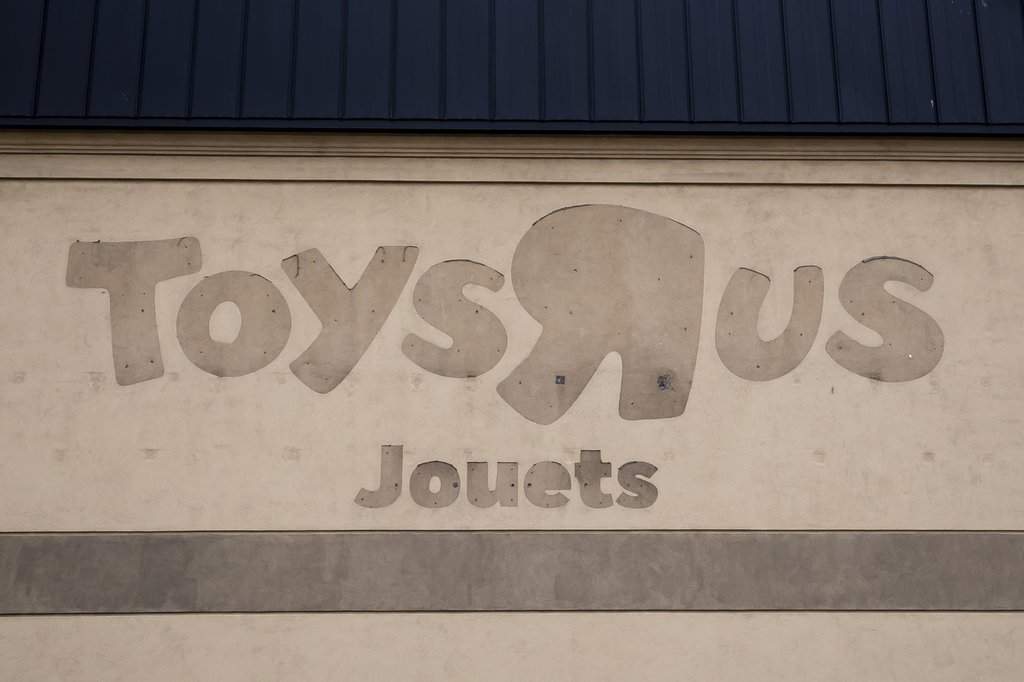
The most recognizable piece of the Toys “R” Us brand isn't the giraffe; it’s that stylized, capitalized, backwards R. The company claims it has held the rights to that specific character for 45 years. Now, they’re going after Acer Inc., the global electronics powerhouse.
Acer wants to use a capitalized, backwards R with an arrow for its electronics and accessories. To a casual observer, a laptop and a Lego set are pretty different. But in the world of trademark law, the "likelihood of confusion" is the golden rule. Toys “R” Us argues that if you see that R on a tablet or a pair of headphones, you might think Geoffrey the Giraffe gave it his seal of approval.
It’s not just about tech. They’re also staring down a Calgary-based business called Club Rendezvous Inc., which wants to trademark “Club R.” It’s a lifestyle club—the kind for adults. Toys “R” Us doesn't want its kid-friendly "Club R" branding anywhere near a swingers club. If "Club R" starts meaning "adult party" in the public consciousness, the value of the toy store's trademark doesn't just dip; it craters.
Protecting the Wonderlab
The legal skirmishes don't stop at the alphabet. The retailer is currently locked in a dispute with a Russian company, Biomicrogeli, over the word "Wonderlab."
Toys “R” Us uses the Wonderlab name for a wide range of products—everything from diapers and bath products to hair care and snacks. Biomicrogeli wants to use the same name for its own goods. The toy giant’s legal team isn't just worried about lost sales; they’re citing "serious safety concerns."
The argument is simple but effective: if a child sees the Wonderlab name on a chemical product from a different company, they might assume it’s a safe, toy-store-approved item. In a courtroom, safety concerns carry a lot more weight than just complaining about a stolen name.
Why Fight When You’re Going Under
You might wonder why a company in creditor protection is spending money on lawyers instead of paying back the $66 million claimed by its suppliers. The answer is the "SISP"—the Sale and Investment Solicitation Process.
Right now, Toys “R” Us Canada is essentially an 18-store chain with a massive mountain of debt. But it owns 162 trademarks. These include:
- Geoffrey the Giraffe
- Babies “R” Us
- Puppies “R” Us
- Bruin (their private toy line)
- The backwards R
When the company goes to auction in June 2026, a buyer might not care about the lease on a storefront in Boisbriand. They care about the brand. If that brand is "diluted"—meaning every other business is using a backwards R or calling their shop "Something R Us"—the price tag drops.
The Depreciation of Goodwill
This isn't the first time they’ve played hardball. A few years ago, they successfully sued a B.C. cannabis dispensary called "Herbs 'R' Us."
The court didn't find that people would actually confuse a weed shop with a toy store. Instead, the judge ruled on the "depreciation of goodwill." Basically, the dispensary was "trading off" the reputation Toys “R” Us spent decades building. By using the familiar font and name structure, the dispensary got a shortcut to brand recognition that they didn't earn.
Toys “R” Us won that case because they proved their mark was "sufficiently well-known" and that associating it with a dispensary (especially one with adult-themed social media) damaged their reputation.
What This Means for Small Businesses
If you're an entrepreneur, there's a massive lesson here: Stop trying to be "Something R Us."
It's tempting to lean on a famous brand's aesthetic for a bit of "parody" or instant recognition. You might think you're too small for them to notice. You're wrong. Large corporations use automated tools to monitor every single trademark application filed with the Canadian Intellectual Property Office (CIPO).
If your logo or name has even a "shred of similarity" to a major brand, their lawyers will flag it. It doesn't matter if you're a local lifestyle club or a tech giant like Acer. They have to defend their trademarks. If they don't fight one person, it becomes much harder to fight the next person. In legal terms, if you don't defend your trademark, you risk losing it entirely.
What’s Next for the Toys R Us Brand
The clock is ticking. Bidders have until May 1 to submit non-binding letters of interest. By July, we’ll know if the company has been sold as a whole or if the assets—including those 162 trademarks—have been stripped and sold off piecemeal.
If you’re watching this from the sidelines, here’s the reality:
- Check your own IP: If you’re using a logo that even slightly mimics a major brand, change it now before you get a cease-and-desist letter.
- Trademarks are assets: Even if your business model is struggling, your brand name and logos have value. Protect them like Toys “R” Us does.
- Safety sells: If you’re in a trademark dispute, look beyond "brand confusion." If you can prove a safety risk to consumers, you have a much stronger legal standing.
Toys “R” Us Canada might only have 18 stores left, but they aren't going down without a fight. They're proving that in the modern economy, the name on the building is often worth more than the building itself.