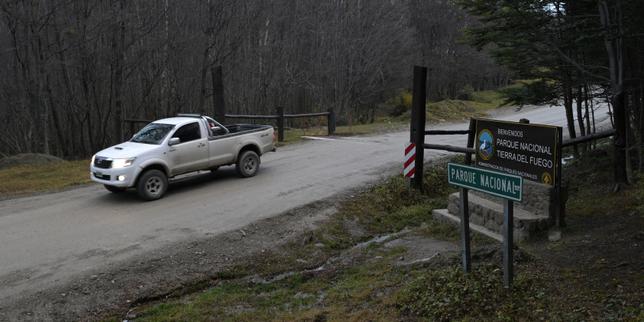
Scientists aren't just visiting Ushuaia for the penguins or the dramatic Tierra del Fuego scenery. They're there because something much smaller—and far more dangerous—is hiding in the tall grass. It's called Hantavirus. While most travelers focus on the Drake Passage, a specialized team of researchers is currently trapping rodents to figure out how this deadly pathogen moves through the southernmost tip of the planet.
Hantavirus Pulmonary Syndrome (HPS) isn't something you want to mess with. It carries a mortality rate that can hit 40% in some regions of South America. You breathe in dust contaminated by rodent droppings, and suddenly your lungs fill with fluid. It’s fast. It’s brutal. The mission in Ushuaia isn't just a routine checkup. It’s a race to understand how climate change and human expansion are pushing these "suspect rodents" closer to the people living at the edge of the world.
The Rodents Behind the Risk
The main culprit in Patagonia is the long-tailed pygmy rice rat, or Oligoryzomys longicaudatus. Don't let the cute name fool you. This little guy is the primary reservoir for the Andes virus, a specific strain of Hantavirus found in Argentina and Chile. What makes the Andes strain particularly scary is that it's the only one known to spread from person to person. Most Hantaviruses stay between the mouse and the human, but this one broke the rules.
Field teams in Tierra del Fuego use specialized traps to capture these rodents without harming them—or getting bitten. They set up "transects," which are basically long lines of traps across different habitats like forests, grasslands, and areas near human sheds. They need to know the population density. When there's a "ratada"—a massive population explosion usually caused by the flowering of certain bamboo species—the risk to humans skyrockets.
Why Ushuaia Matters Right Now
You might think the cold weather in Ushuaia would keep things safe. That’s a mistake. The virus is hardy. The scientific mission is looking at how the local ecosystem handles the virus compared to warmer spots like Bariloche or Buenos Aires province. They're finding that the virus doesn't just disappear when the temperature drops.
Human behavior is the real trigger. We're building cabins deeper into the woods. We're hiking on trails that haven't been cleared in years. When you open up an old, dusty shed that's been closed all winter, you're literally walking into a cloud of potential infection. The researchers are tracking "viral load" in these local populations to see if the mice in Tierra del Fuego are carrying more of the virus than their northern cousins. It’s about mapping the danger before the next outbreak hits.
Survival is About Awareness
If you’re living in or visiting southern Argentina, you need to stop thinking of Hantavirus as a "rare" thing. It’s a constant reality. The symptoms start like a common flu—fever, muscle aches, fatigue. But then it shifts. You start struggling for air. By the time you realize it isn't a cold, you're in trouble.
Health authorities and the scientists on the ground emphasize a few non-negotiable rules. First, if you're cleaning a space that's been closed up, don't sweep. Sweeping kicks the virus into the air. You spray everything down with a bleach solution first. Wet it. Kill it. Then wipe it. Second, keep your food sealed. If a mouse can smell your crackers, it’s coming in, and it’s leaving a trail of "hot" waste behind.
The Science of the Search
The team doesn't just catch a mouse and let it go. They take blood samples, tissue samples, and measurements. They look at the age of the rodents. Young mice might not carry it yet, but the older, battle-scarred males often do. This data gets fed into models that help predict "hot zones."
This isn't just dry academic work. It's frontline defense. By identifying which specific patches of forest have the highest concentration of infected rodents, they can issue targeted warnings to campers and locals. They're looking for the "spillover" point—that moment when the virus moves from the wild population into the human one.
How to Protect Yourself Today
Don't wait for a government pamphlet to tell you there's a problem. If you spend time in rural or semi-rural areas in the south, take these steps immediately.
- Ventilate everything. Open doors and windows for at least 30 minutes before entering any building that’s been vacant.
- Use bleach. A mixture of one part bleach to nine parts water kills the virus on contact.
- Seal the gaps. A mouse can squeeze through a hole the size of a pencil eraser. Use steel wool to plug holes in your walls.
- Camp smart. Don't sleep on the bare ground. Use a tent with a floor and stay away from woodpiles or trash heaps.
The work being done in Ushuaia right now is a reminder that we share the planet with things we can't see. The "suspect rodents" aren't trying to hurt us; they're just living their lives. It's up to us to use the science being gathered to stay out of their way and keep the virus in the wild where it belongs.