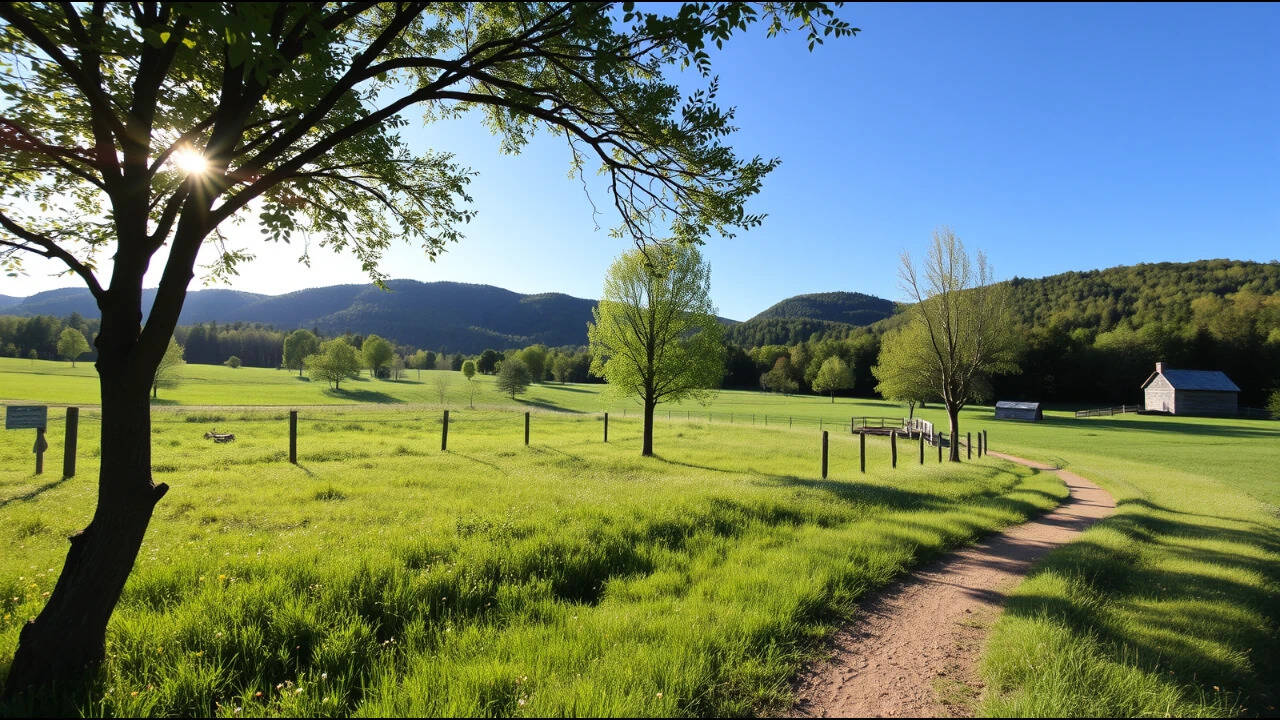
Romance makes terrible economic policy. For decades, the cultural consensus has hoisted up a specific Vermont folklore: a visionary woman in 1944 forgoes a luxury fur coat, buys a neglected 150-acre farm instead, and stumbles into rustic, self-reliant salvation. It is a fairy tale designed to soothe city-dwellers weary of concrete. It feeds a lazy, romanticized narrative that land ownership is inherently virtuous and that trading luxury for labor always yields moral and financial redemption.
It is also an economic disaster.
If you evaluate that 1944 swap through a cold, unromantic ledger, the decision to dump capital into 150 acres of untamed dirt during wartime wasn't a masterclass in independent wealth creation. It was a liquidity trap. Yet, modern lifestyle influencers and homesteading gurus repeat the myth endlessly, convincing thousands of unsuspecting dreamers to trade liquid capital for dead equity, endless debt, and back-breaking physical liability.
Let us dismantle the romantic consensus surrounding land purchase folklore and look at the brutal balance sheet of rural asset acquisition.
The Liquidity Delusion
The core fallacy of the legendary coat-to-farm trade lies in asset liquidity and operational drag. A fur coat is a depreciating luxury consumer good. That is undisputed. But a raw, unoptimized 150-acre farm in the mid-1940s—or a rural fixer-upper today—is not an automatic engine of prosperity. It is an industrial-scale money pit.
When you purchase land without an immediate, scalable mechanism for capital generation, you do not buy freedom. You buy a second job that demands cash injections every single quarter. Taxes, fencing, timber management, equipment maintenance, and structural upkeep devour capital long before the soil yields a single profitable harvest.
I have watched modern professionals flee urban centers, dump their life savings into picturesque acreage, and discover within eighteen months that owning rural acreage without agricultural logistics experience is functionally identical to lighting cash on fire to stay warm. They traded a liquid asset or cash reserve for an illiquid, high-maintenance burden.
Capital Efficiency Versus Rural Nostalgia
Real wealth is not measured by the square footage of dirt you control. It is measured by capital efficiency and optionality.
Consider the fundamental mechanics of land as an investment class. Land does not generate cash flow passively simply because trees grow on it or cows stand in it. Agricultural productivity requires immense upfront expenditure on machinery, labor, seed, livestock, and regulatory compliance. In 1944, wartime shortages made acquiring farm equipment grueling and expensive. Without tractors, fuel, and labor, 150 acres of Vermont hillsides were nothing more than an expensive hiking trail that you paid annual property taxes to traverse.
The lazy consensus assumes that soil appreciation will bail out operational incompetence. This is the same speculative delusion that drives retail investors into worthless stock options. Real asset appreciation happens when capital is applied to productivity, not when raw acreage sits idle while its owner romanticizes the sunset.
If you are evaluating a rural property acquisition today, ask yourself the question the folklore conveniently ignores: What is the revenue velocity of this asset?
If the answer relies on hoping the land becomes valuable because it looks pretty in a photograph, you are speculating, not investing.
The Hidden Costs Nobody Mentions
Let us address the structural realities of rural land management that get sanitized out of cozy magazine profiles.
- Deferred Maintenance: Old farmhouses and barns come with structural compromises that swallow inheritances. Foundation rot, antiquated wiring, non-compliant well water, and failing septic systems do not care about your rustic aesthetic.
- Labor Intensity: Running 150 acres is not a weekend hobby. It is a full-time operational command center. If you are paying for outsourced labor, your margins evaporate immediately. If you are doing it yourself, your opportunity cost skyrockets.
- Regulatory Friction: Modern land stewardship involves navigating zoning laws, environmental protections, timber harvest permits, and water rights. The idyllic solitude of the countryside is heavily micromanaged by local boards and state regulations.
Ignoring these variables leads directly to financial distress. The people who survive and thrive on large rural tracts are not romantic idealists running away from urban discomfort; they are hard-nosed operators running capital-intensive land businesses.
The Alternative Playbook
Stop treating lifestyle choices as financial masterstrokes. If you want a rural lifestyle, budget for it honestly as consumption, not investment. Treat the purchase of acreage the same way you treat buying a luxury vehicle or a vacation home: recognize it as a wealth-consuming luxury that demands ongoing cash flow to sustain.
If your goal is genuine wealth accumulation and independence, keep your capital liquid until you have a proven, data-backed plan to generate yield from the dirt. Otherwise, keep the coat, keep your cash in high-yield instruments, and rent a cabin for the weekend.
True independence is not being tied to a collapsing barn by a romanticized narrative. It is having the financial liquidity to walk away from any trap that romantic fools call an investment.