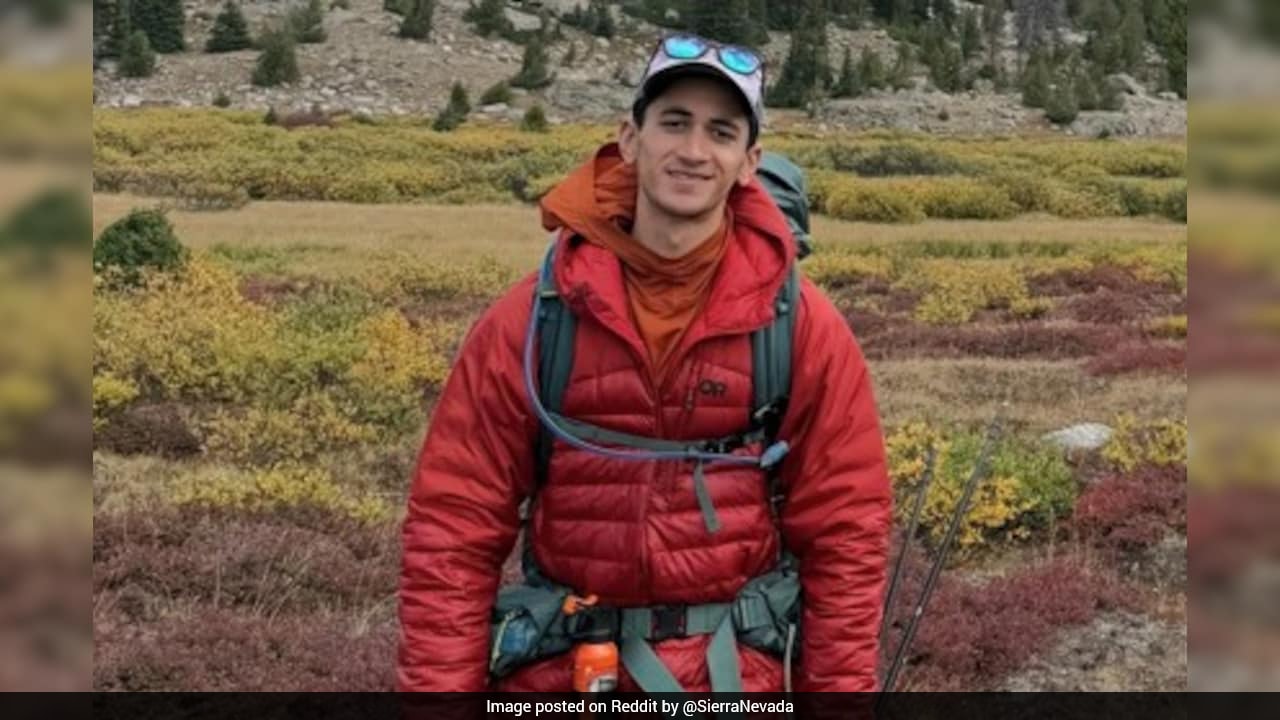
Every time a brilliant young mind vanishes on a mountain trail, the media machine grinds into motion with a predictable, comforting script. Headlines about an Indian-origin PhD student found dead during a hike in the US trigger an immediate wave of digital mourning, candle emojis, and vague hand-wringing about trail safety. The lazy consensus settles in fast: hiking is dangerous, nature is unforgiving, and young researchers need to stick to the library.
This response is not just lazy. It is cowardly. It completely misses the structural failure that actually kills ambitious immigrants in the American wilderness. Expanding on this idea, you can find more in: The Tiger Takes the Oath and the Deepening Fracture of a Nation.
Let us dispense with the platitudes right now. The danger to international scholars in the American backcountry is rarely the terrain itself. It is a profound, systemic disconnect between academic isolation, the immigrant pressure cooker, and a total lack of wilderness literacy disguised as rugged individualism.
The Immigrant Pressure Cooker And The Myth Of The Solo Hike
I have watched brilliant minds from elite institutions burn out under the crushing weight of doctoral programs. When you are thousands of miles away from home, working seventy hours a week on a stipend that barely covers rent, your entire existence shrinks to a glowing monitor and a fluorescent lab. Experts at Al Jazeera have also weighed in on this situation.
For many international PhD students, the American national park system looks like a postcard of freedom. It promises silence after months of academic noise. But it is an alien environment. Back home in urbanized settings across major global tech and academic hubs, nature is managed, manicured, and populated. The American backcountry, by contrast, is indifferent, vast, and unforgiving to the unprepared.
When a student decides to tackle a remote trail alone, they are not usually seeking an extreme mountaineering challenge. They are engaging in a desperate act of psychological decompression. The mistake lies in treating a wilderness trek like a casual stroll through a campus quad.
Nature does not care about your GPA, your publications, or your visa status. It operates on physics, meteorology, and biology.
Yet, the standard narrative treats these tragedies as freak accidents of fate. They are not. They are predictable outcomes of a culture that tells people to work until they break, and then offers the great outdoors as a quick, unstructured fix for that exhaustion.
Dismantling The Trail Safety Bureaucracy
Look at the standard advice handed out by park services and university counseling centers after every incident. Check the weather. Tell someone where you are going. Bring a map.
This is baseline advice, but it is woefully inadequate for populations who grew up entirely in concrete metropolises. Telling someone with zero wilderness background to "just download an offline map" is like telling someone who has never driven a car to "just read the manual on manual transmission" while dropping them onto a Formula One track.
The real failure is institutional negligence. Universities recruit top-tier international talent, drop them into geographically isolated college towns surrounded by rugged topography, and provide zero practical orientation on local geography, weather volatility, or survival mechanics. They offer mental health hotlines while ignoring the physical environment that surrounds the campus.
Furthermore, the obsession with solo hiking among tech workers and academics is a cultural symptom of hyper-independence. Asking for help, hiring a guide, or admitting that a trail is beyond your skill level feels like failure to people who have spent their entire lives conquering academic hurdles alone.
The Hard Metrics Of Wilderness Risk
Let us look at the actual data on search and rescue operations in American wilderness areas. The overwhelming majority of distress calls do not come from seasoned mountaineers testing extreme routes. They come from day-hikers and casual trekkers who underestimated elevation gains, miscalculated daylight hours, or ignored rapidly shifting alpine weather patterns.
In many high-altitude regions across the United States, temperatures can drop thirty degrees in an hour when a storm rolls over a ridge. Cell service disappears a mile past the trailhead. If you rely on a smartphone for navigation, a dead battery turns a minor wrong turn into a survival crisis.
+--------------------------------+----------------------------------------+
| The Media Narrative            | The Structural Reality                 |
+--------------------------------+----------------------------------------+
| "A tragic, unpredictable loss" | Predictable outcome of total isolation |
| "Nature is too dangerous"      | Ignorance of basic alpine mechanics    |
| "Solo hiking is empowering"    | A symptom of acute academic burnout    |
+--------------------------------+----------------------------------------+
When an international student steps onto a trail without microspikes, extra layers, or a satellite communicator, they are not taking a brave adventure. They are rolling dice against math they do not understand.
What Actually Needs To Happen
If institutions genuinely care about the safety of their international researchers, the current approach of posting generic safety pamphlets on university websites must end.
First, universities located near major wilderness areas need to mandate practical, hands-on outdoor orientation as part of international student onboarding. This means taking students out, showing them what hypothermia looks like in fifty-degree wet weather, teaching them how to read a paper topographic map, and explaining why turning around is a victory, not a defeat.
Second, the hiking community needs to stop romanticizing reckless solo treks by novices. We need to normalize turning back, hiring local guides, and treating wilderness exploration with the same rigorous risk assessment that researchers apply to their laboratory experiments.
The next time a promising researcher goes missing in the mountains, stop asking how such a brilliant person could make such a simple mistake. Ask why we built an academic environment so suffocating that the only escape valve available was a dangerous mountain trail with no safety net.