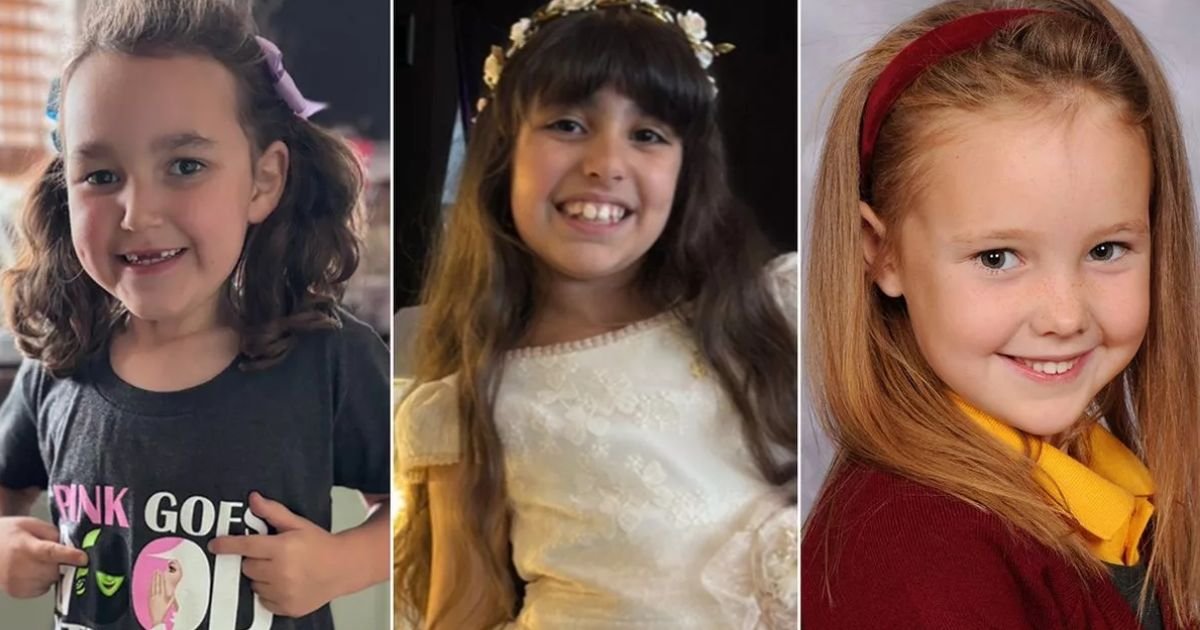
The numbers coming out of Lebanon aren't just statistics. They're a strobe light flashing on a nightmare. When UNICEF reports that 83 children have been killed and another 254 injured in the recent surge of hostilities, it’s easy to let the scale of the tragedy numb you. Don't let it. Behind every one of those 337 casualties is a bedroom that’s now empty or a hospital bed occupied by a kid who might never walk, play, or feel safe again.
We’re seeing a level of intensity that’s frankly terrifying. This isn't just about "collateral damage." It’s about the total collapse of the space where childhood is supposed to happen. When air strikes hit residential neighborhoods and schools, the concept of a "safe zone" becomes a cruel joke. Lebanon was already reeling from an economic meltdown that felt like a slow-motion car crash. Now, this escalation is the sledgehammer.
Why the Toll on Children is Rising So Fast
The geography of Lebanon makes this particularly lethal. We're talking about a small, densely populated country where the lines between military targets and civilian infrastructure are often nonexistent in the eyes of those pulling the triggers. Families are packed into apartment buildings. When a missile hits, it doesn’t just take out a floor. It pancacks the whole structure.
UNICEF’s Executive Director, Catherine Russell, has been vocal about the "catastrophic" impact on the youth. She’s right. But let’s be real about why this is happening. The speed of the escalation caught people off guard. Many families didn't have time to flee, and those who did found themselves trapped in traffic on roads that were themselves under fire.
The injury count of 254 is likely an undercount. In a war zone, record-keeping is a luxury. We're seeing horrific shrapnel wounds, blast injuries that cause internal damage you can’t see from the outside, and the kind of psychological trauma that sticks to a person's DNA. These kids aren't just losing their lives; they’re losing their minds and their futures.
The Invisible Wounds and the Healthcare Collapse
If a child survives a blast, their struggle is only starting. Lebanon’s healthcare system was already on life support before this started. Hospitals are running low on fuel, medicine, and specialized pediatric surgeons. If you’re a kid in Beirut or the south with a complex injury, your chances of getting the care you need are dropping by the hour.
Education in the Crosshairs
It’s not just about the bombs. It’s about what happens when the bombs stop for a minute. Over 500,000 children in Lebanon have seen their education disrupted. Schools aren't places of learning anymore; they’re shelters.
- Desks are being used as firewood or makeshift beds.
- Teachers are displaced themselves, mourning their own lost relatives.
- The "digital divide" isn't a theory here; it’s a total blackout of opportunity.
When you take a child out of school and put them in a high-stress, violent environment, you're effectively stealing years of their development. This is how "lost generations" are created. It’s not a cliché. It’s a demographic reality that Lebanon will be dealing with for decades.
International Law is Being Ignored
There’s a lot of talk about the "rules of war." Honestly, it feels like those rules are being treated as suggestions. Under international humanitarian law, parties to a conflict are required to distinguish between civilians and combatants. They’re supposed to take every precaution to protect children.
The reality on the ground says otherwise. Whether it’s "indiscriminate" fire or "targeted" strikes with massive footprints, the result is the same: kids in body bags. The international community loves to issue statements of "deep concern," but concern doesn't stop shrapnel. There’s a desperate need for a ceasefire, not just for the sake of politics, but because the biological cost of this war is becoming unsustainable.
What Real Protection Looks Like Right Now
Humanitarian agencies are trying to plug the holes, but they're fighting a flood with a bucket. They need safe corridors. They need the guarantee that if they send a truck full of medical supplies or high-energy biscuits to a displaced community, that truck isn't going to be vaporized.
We also need to talk about the mental health crisis. You can’t just give a kid a bandage and expect them to be okay after seeing their house disappear. The level of PTSD we're going to see in the survivors will be off the charts. We're talking about children who jump at the sound of a slamming door or a motorcycle engine because it sounds like an incoming drone.
Moving Beyond the Statistics
If you want to help or even just understand the situation, stop looking at the 83 and 254 as final tallies. They are snapshots. The numbers will grow as more rubble is cleared and more hospitals report in.
The immediate priority has to be an end to the hostilities. Short of that, the demand must be for the absolute protection of civilian infrastructure. Water pumping stations, hospitals, and schools must be off-limits. No excuses.
If you’re looking for a way to actually make a difference, support organizations that have boots on the ground in Lebanon. UNICEF, the Lebanese Red Cross, and MSF (Doctors Without Borders) are doing the heavy lifting. They need funding for trauma kits, clean water, and nutritional support. Don't just read the news and feel bad. Direct that energy into supporting the people who are actually saving lives in the middle of the chaos. Demand that your political representatives prioritize a diplomatic solution over more shipments of the hardware that’s causing this destruction in the first place.