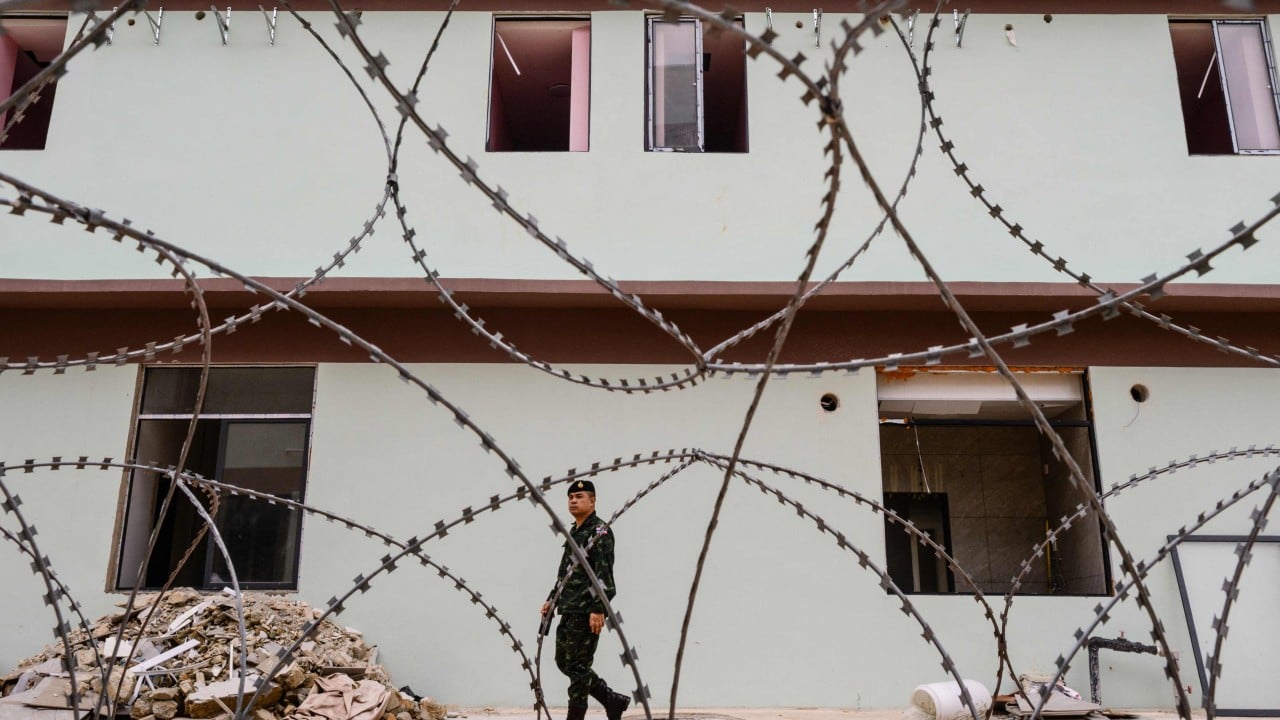
Scam compounds aren't hiding deep in the jungle anymore. They are moving straight into luxury urban neighborhoods. When Thai and South Korean authorities raided a high-end rented base, they found twelve South Korean nationals and a Chinese national running a sophisticated cross-border financial fraud network.
We need to talk about how these transnational criminal rings operate, why Southeast Asia remains a prime hotspot, and what you can do to avoid becoming a target. Transnational crime has evolved. It is no longer just local street extortion. It is a corporate-style enterprise relying on specialized tech infrastructure, smuggled personnel, and localized deception tactics targeting victims thousands of miles away. Meanwhile, you can find similar developments here: The Smoke Above the Mountain and the Silence That Follows.
The Anatomy of a Modern Fraud Hub
Operating a multi-million-dollar scam requires infrastructure. High-end houses in upscale districts provide fast internet connections, gated privacy, and proximity to urban amenities. These locations allow criminal syndicates to blend in seamlessly.
The recent crackdown involving twelve South Koreans and their co-accused highlights a growing trend. Cross-border syndicates often recruit young workers from their home countries with false promises of legitimate tech or customer service jobs abroad. Once they arrive, passports are often seized, and they are forced to execute romance scams, fake investment schemes, or crypto fraud under strict surveillance. To explore the bigger picture, check out the excellent report by The New York Times.
Law enforcement agencies are adapting. Joint operations between Thai authorities and foreign police forces show that international cooperation is tightening. Intelligence sharing allows investigators to track digital footprints across borders, dismantling networks before they can launder their illicit gains through decentralized crypto wallets or shell companies.
Why Southeast Asia Continues to Attract Syndicates
Geography and logistics drive these operations. Porous borders, corruption vulnerabilities, and developed expat infrastructures make countries like Thailand, Cambodia, Myanmar, and the Philippines attractive hubs.
Cybercrime syndicates look for specific conditions:
- Affordable luxury real estate for workspace housing.
- Access to regional transport hubs for easy personnel rotation.
- Weak local regulatory oversight on cryptocurrency transactions and foreign cash flows.
- Subcontracted local fixers who can secure utility contracts and rentals without raising red flags.
When one compound gets raided, another shifts operations three provinces over or migrates to a neighboring nation. It is a constant game of geopolitical whack-a-mole. Governments are responding by weaponizing financial intelligence units and tracking unusual utility consumption, massive bandwidth spikes, and sudden influxes of foreign occupants in suburban luxury estates.
Recognizing the Tactics Before You Fall Victim
The psychological playbook of these syndicates rarely changes, but the tech delivery is sharper than ever. Fraudsters use deepfake video technology, AI-generated profile pictures, and highly polished messaging scripts to build fake trust over weeks or months.
If someone you met online pushes you toward an unfamiliar crypto investment platform or asks for emergency money transfers through convoluted channels, walk away. Legitimate enterprises don't operate out of residential safe houses with barred windows and heavily restricted staff.
Protecting yourself means maintaining digital skepticism. Verify identities through independent channels. Never trust a high-yield investment opportunity pitched by a stranger on social media or messaging apps.
Authorities will keep conducting targeted raids, but shutting down the infrastructure requires global pressure on unregulated financial pipelines and stricter landlord accountability for short-term luxury rentals. Stay vigilant, because these networks rely entirely on your willingness to trust a stranger online.
Bangkok police arrest 11 South Koreans in scam crackdown
This video provides a concise visual overview of how law enforcement agencies execute raids on high-end rental properties used by transnational cybercrime syndicates in urban centers.
http://googleusercontent.com/youtube_content/1