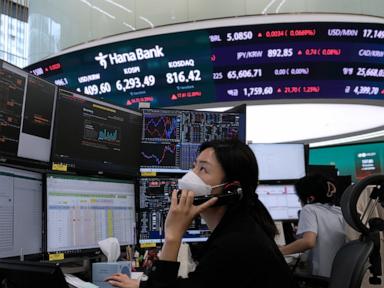
Bond markets are twitchy again. If you watch the 10-year Treasury note hover around 4.66 percent, you know traders are holding their breath. Everyone is waiting for the latest Consumer Price Index print to drop, trying to guess what the Federal Reserve will do next.
Honestly, stop treating every small tick in bond yields as a crystal ball. Markets love to overreact to headline numbers, but the real story is much deeper than a simple basis-point nudge.
The Real Driver Behind Market Anxiety
Yields move when bond prices drop, and prices drop when investors demand a higher return for taking on risk. Right now, that risk is tied directly to sticky inflation pressures and mixed labor market signals. When a soft jobs report hits—like the unexpected dip in nonfarm payrolls—the immediate reaction is a scramble. Traders start pricing in shifting odds for central bank rate cuts or hikes, sending shockwaves straight through fixed-income portfolios.
You have to look past the daily noise. Wall Street spends millions trying to front-run monthly inflation reports, but trading on every single headline is a quick way to lose money.
How Inflation Data Moves Your Money
When consumer and producer price data comes out, three things usually happen instantly:
- Bond yields tick up or down based on whether inflation is coming in hotter than expected.
- Stock indices experience sudden volatility as algorithms reprice corporate borrowing costs.
- Mortgage rates adjust, directly impacting anyone trying to buy a house or refinance.
Higher yields make government debt look awfully attractive compared to volatile equities. Why chase risky tech stocks when you can lock in guaranteed yields on safe-haven assets? That tension is why equity markets often stumble the moment bond vigilantes push yields higher.
What You Should Do Right Now
Don't panic-sell your portfolio because the 10-year yield moved a few basis points. If you are managing cash or fixed income, take advantage of elevated yields to lock in duration rather than sitting entirely in overnight money markets. If you hold equities, expect turbulence around every major economic release. Keep your emergency fund liquid, ignore the daily panic from financial anchors, and stick to a long-term allocation plan that survives macroeconomic mood swings.