We are nearly five months into a grinding regional conflict, and the diplomatic signals coming out of Washington and Tehran look completely disconnected. President Donald Trump insists that backchannel negotiations are moving forward. Tehran flatly denies that any direct talks are happening at all. Meanwhile, a fragile three-day pause in fighting has given global markets a momentary sigh of relief.
You have to look past the public posturing to understand what is actually happening on the ground.
The Battle Over the Narrative
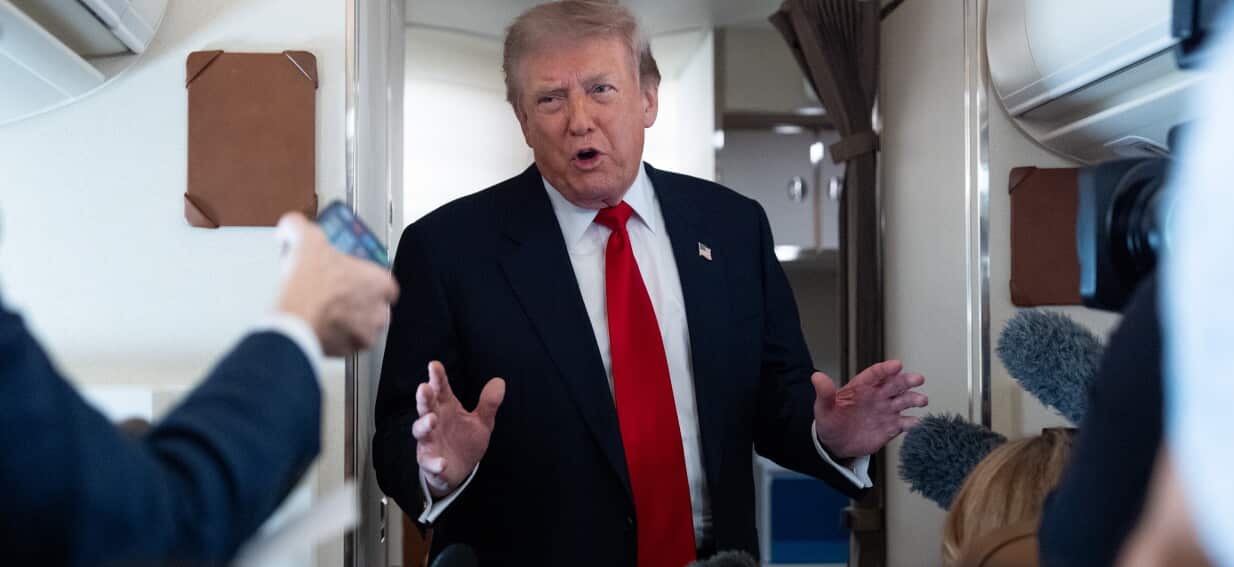
Trump made headlines aboard Air Force One and during a speech in Michigan by claiming that Iranian officials are actively talking to Washington about reaching a deal. His stance is straightforward. He has plenty of patience, but he also made it clear that if diplomacy fails, military operations will resume exactly where they left off.
Iran sees the chessboard differently. Foreign ministry spokesperson Esmaeil Baqaei acknowledged that regional mediators might be passing messages back and forth, but he drew a hard line against the idea of direct bilateral negotiations.
Why the mismatch? Public denial is a classic survival tactic in Middle Eastern diplomacy. Admitting weakness or eagerness to negotiate under intense military pressure can trigger domestic political fallout for Iran's leadership. They want to project defiance even while messages bounce through third-party intermediaries.
The Choke Point That Started It All
The root cause of this latest escalation boils down to control of the Strait of Hormuz. When diplomacy collapsed over Iran's blockade of this vital oil and gas shipping lane, it triggered weeks of heavy US and Israeli airstrikes.
Shipping security remains the ultimate hurdle. Iran's Revolutionary Guards continue to monitor vessels closely, occasionally targeting ships straying outside designated routes. At the same time, Tehran has held separate conversations with Oman to discuss operational mechanisms for safe passage. Washington opposes any setup that gives Tehran unilateral power to levy service fees on international transit, setting up a clash of economic interests that a simple ceasefire cannot easily resolve.
Stock Markets Rally While Proxy Risks Linger
Financial markets hate uncertainty, which explains why global stocks rallied and oil prices dropped roughly six percent following the sudden pause in strikes. Traders are desperate for stability.
Yet, the ceasefire remains fragile. Even with the lull between Washington and Tehran, secondary threats continue to flare up. Saudi Arabia's defense ministry recently reported intercepting drones launched by Iran-linked groups in Iraq targeting local oil facilities. While major military exchanges have paused, the web of regional militias ensures that a stray projectile could unravel the entire diplomatic effort overnight.
Trump brushed off concerns regarding depleted US ammunition stockpiles, asserting that military stores remain more than sufficient to sustain long-term operations if needed. That confidence is meant to signal to Tehran that time is not necessarily on their side.
Watch the mediator channels closely over the coming days. If a framework for managing the Strait of Hormuz emerges from Omani or Qatari intermediaries, expect a formal diplomatic breakthrough. If it stalls, expect the strikes to return.
Trump Says 'Good Talks' Happening With Iran
This video provides direct footage of President Trump discussing the ongoing diplomatic communications and the temporary pause in military strikes.
http://googleusercontent.com/youtube_content/1