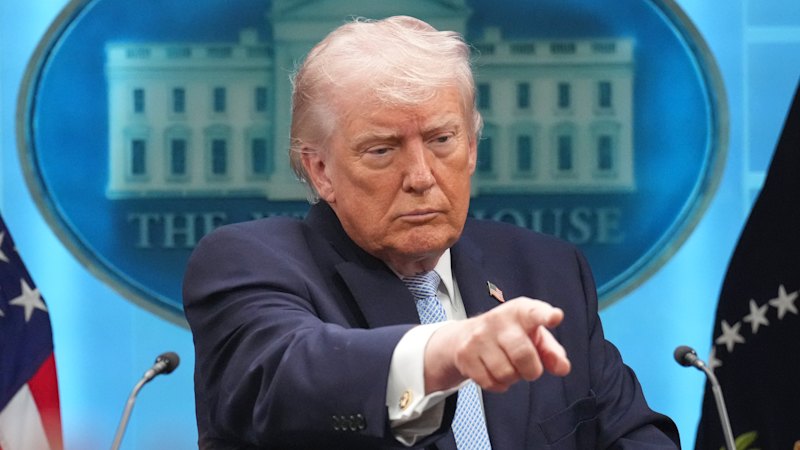
The clock is ticking toward a Tuesday night deadline that could change the face of the Middle East forever. Donald Trump isn't interested in the slow grind of traditional diplomacy anymore. After Iran shot down a 45-day ceasefire proposal brokered by Pakistan, the White House shifted from "negotiation mode" to "demolition mode." Trump’s latest ultimatum is simple and terrifying: open the Strait of Hormuz by 8 p.m. or watch every major bridge and power plant in the country disappear in a four-hour bombing blitz.
This isn't just tough talk for the cameras. Defense Secretary Pete Hegseth already confirmed that the volume of strikes is hitting record highs, promising that tomorrow will be even more intense. We're looking at a strategy that targets the very backbone of Iranian civilian life to force a surrender.
The ceasefire that never had a chance
The 45-day "cool down" period was meant to give both sides room to breathe. It was a Pakistani-brokered deal designed to stop the bleeding and get the oil flowing again. Iran didn't just say no; they threw the whole concept back in Washington's face. Tehran is demanding a permanent end to the war, the lifting of all sanctions, and "guarantees" that they won't be hit again.
It's a classic case of two sides speaking different languages. Trump wants a quick win and a reopened shipping lane. Iran wants to ensure its survival after the U.S. and Israel already decapitated their leadership back in February. Honestly, if you've been watching this play out since February 28, you'd know that trust is at zero. Iran has already seen two "negotiation windows" end in U.S. bombing runs. They aren't biting a third time.
Why the Strait of Hormuz is the only thing that matters
If you're wondering why the world economy is shaking, look at a map. A fifth of the world's oil goes through that tiny stretch of water. Since the war started, Iran has effectively turned the faucet off. Shipping companies like Maersk and Hapag-Lloyd have bailed. Brent crude has already spiked to $109, and that's likely just the beginning if the "blitz" starts.
Iran's logic is brutal but effective. If they can't sell their oil because of sanctions and war, they'll make sure nobody else can either. They've used mines, drones, and satellite jamming to turn the Strait into a graveyard. Trump’s "four-hour" plan is an attempt to break that grip by threatening to send the entire country back to the "stone ages," as he put it.
Targeting bridges and power plants is a gamble
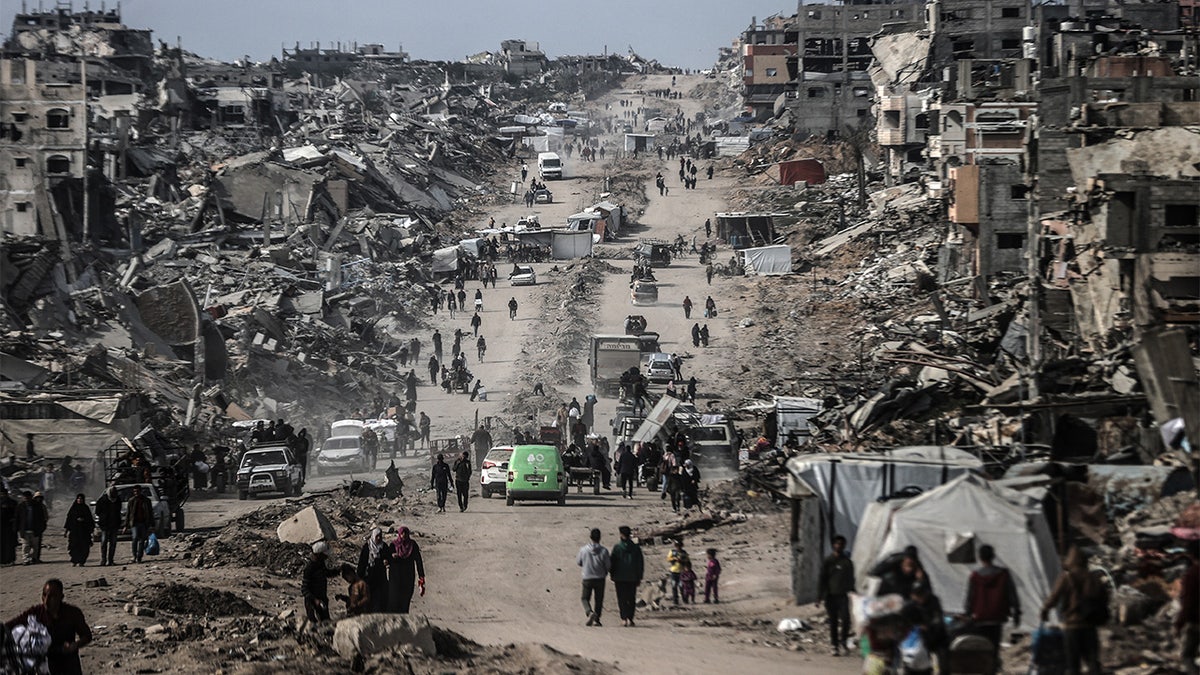
There's a massive legal and ethical elephant in the room here. Bombing power plants and bridges usually falls under the category of war crimes because it targets civilian infrastructure. When reporters pushed Trump on this, he didn't blink. He basically said he hopes he doesn't have to do it, but he's prepared to.
The Iranian response has been desperate. They're telling young people to form human chains around power plants to act as human shields. It’s a grisly standoff. If Trump follows through, the entire region could literally go dark. Former Iranian officials are already warning that the fallout won't stay within Iran's borders.
The Israel factor and the gas fields
While the U.S. handles the ultimatums, Israel is already doing the dirty work. They just hit a massive petrochemical plant in the South Pars gas field—the largest in the world. This wasn't a "threat"; it was a direct hit on Iran's wallet. By taking out the gas infrastructure, Israel is making it impossible for Iran to fund its side of the war.
This tag-team approach—U.S. threats of total destruction paired with Israeli surgical strikes on energy—is designed to leave Iran with nothing to defend and nothing to spend.
What happens when the 8 p.m. deadline hits
If you're in Tehran tonight, you aren't sleeping. Residents are reporting the constant hum of drones and the boom of air defenses. The 8 p.m. Tuesday deadline is the hard line in the sand. If the Strait doesn't open, the "four-hour blitz" begins.
Here is what to watch for in the next 24 hours:
- The Pakistan Extension: Pakistan’s PM is begging for a two-week extension. If Trump grants it, we might see a temporary dip in oil prices. If he says no, the market will go parabolic.
- Oil Prices: Watch the $120 mark. If it breaks that, global inflation will reset to 1970s levels almost overnight.
- Cyber Attacks: Don't just look at the sky. Expect Iran to retaliate in the digital space, targeting U.S. or Gulf state financial systems.
The time for "maybe" is over. We’re about to find out if Trump’s brand of "maximum pressure" actually works or if it just starts a fire that nobody can put out. Stay tuned to the shipping trackers and the spot price of Brent crude. That’s where the real story is written.