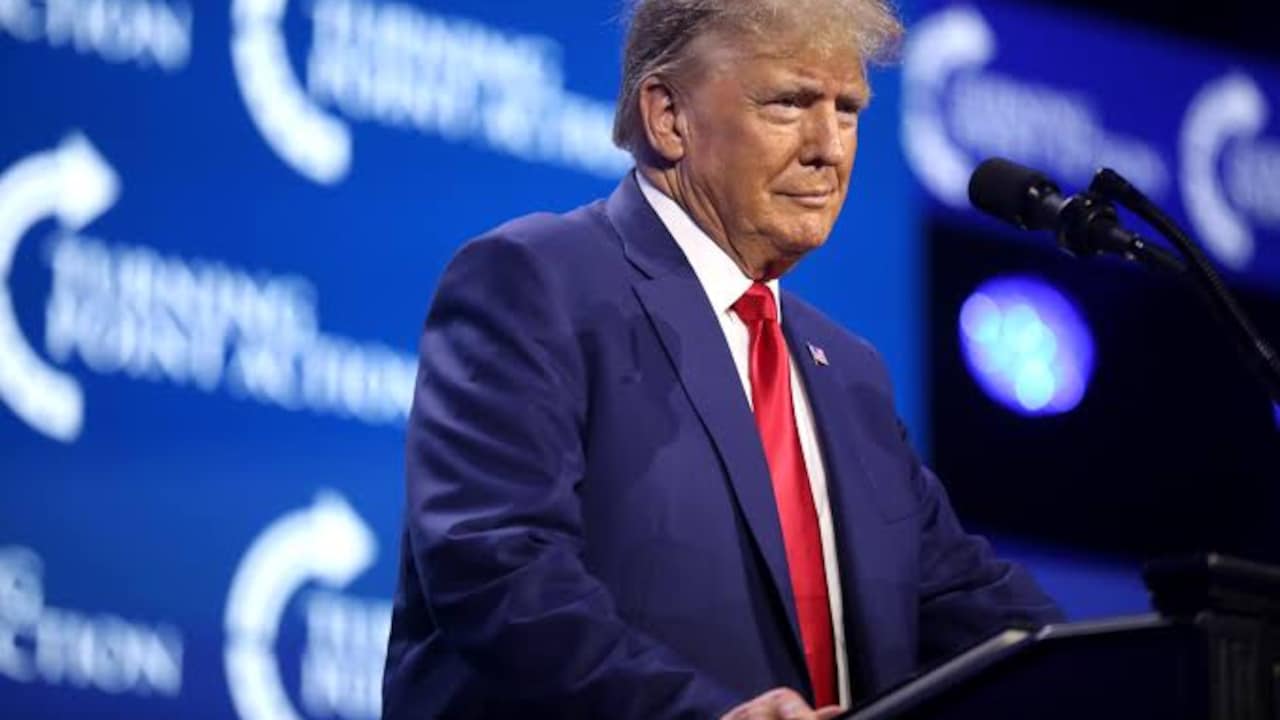
Donald Trump recently shrugged off the military engagement with Iran in the Oval Office, describing it as "small potatoes" for the United States. When reporters pushed back on the terminology, questioning whether an ongoing operation involving billions in expenditures and American casualties deserved a more serious label, the administration doubled down. Vice President JD Vance had already sparked a public debate a day earlier by refusing to call the confrontation a war, pointing to intermittent engagements rather than continuous trench combat.
You have to look past the political rhetoric to understand why the White House is deliberately downplaying the conflict. With midterm elections looming, framing the operation as a limited military conflict rather than an entangling foreign war helps manage public perception. But rhetoric doesn't change reality on the ground.
Counting the Cost of the Iran Engagement
Minimizing a conflict rhetorically doesn't erase its physical and financial footprint. The confrontation with Iran, which escalated significantly after initial strikes, has cost taxpayers more than 37 billion dollars. More critically, it has claimed the lives of 18 US service members.
When pressed by journalists about those deaths, Trump compared the figures to historical engagements, noting that past conflicts like Vietnam cost tens of thousands of American lives. It is a stark comparison, but it misses the point for families mourning service members lost in the Persian Gulf region. Dismissing casualties as "small potatoes" risks alienating voters who expect absolute sobriety when evaluating military risk.
The administration points to specific metrics to justify the campaign's scope:
- Limited troop deployment without boots on the ground inside Iran
- Reliance on air strikes and naval dominance rather than ground invasions
- Intermittent operational pauses rather than non-stop active engagements
Strategic Goals and Regional Fallout
The White House insists the primary objective has already been met. Trump claims the military actions successfully degraded Tehran's nuclear infrastructure and kept regional energy corridors open, even if traffic through the Strait of Hormuz remains heavily monitored and disrupted compared to pre-war baselines.
Yet, the regional blowback tells a messy story. Neighboring states and allies like Kuwait have found themselves in the crosshairs of retaliatory drone and missile fire. Global energy markets react violently to every escalation spike, translating strategic maneuvers into painful spikes at the gas pump for everyday consumers. Calling the operation minor does nothing to lower fuel prices or calm nervous regional allies.
The Domestic Political Calculus
Why frame an active military campaign this way right now? Domestic politics drive the vocabulary. Republicans are fighting to protect narrow majorities in Congress, and protracted, expensive wars are traditionally toxic to voters. By insisting that major combat operations wrapped up quickly and that current operations are merely intermittent, the administration tries to decouple foreign policy friction from the upcoming ballot box.
History shows that public patience wears thin when foreign engagements drag past expectations. Whether voters buy the "small potatoes" narrative or view it as an attempt to downplay a quagmire will shape the political landscape for the rest of the year. Keep an eye on how congressional oversight committees respond to these characterizations as deployment timelines stretch further than initially promised.