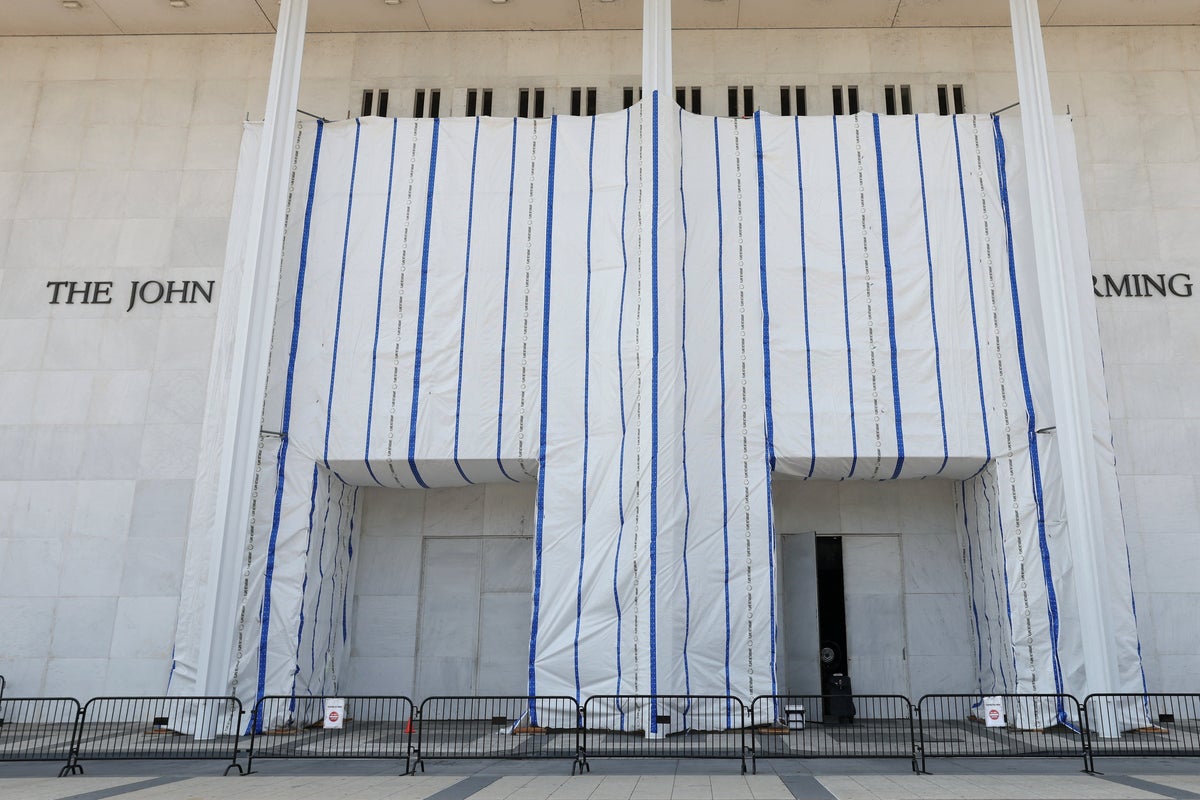
The media narrative writes itself with cheap ink. Donald Trump takes a motorcade past a multimillion-dollar federal renovation or infrastructural project in Washington, critics scream about waste, and the editorial boards cue up the predictable outrage. Then, like clockwork, the conversation pivots to international chest-beating, trade spats with our northern neighbor, and the tired tropes of political theater.
Everyone gets angry at the wrong line item. Everyone misses the structural mechanics of how federal money actually evaporates inside the Beltway.
I have spent years watching capital projects bleed out under government oversight. I have seen institutional budgets turn into bottomless pits while analysts squabble over surface-level aesthetics and petty political drama. The lazy consensus says the story is about vanity, budget overruns, and sudden shifts in geopolitical hostility.
The real story is structural incompetence disguised as public service.
The Accounting Fiction of Federal Infrastructure
Let us stop pretending that a multi-million-dollar price tag on a Washington capital project represents actual physical value. When public sector accounting meets bureaucratic procurement rules, cost bears zero relation to utility.
Every time a major renovation or civic overhaul misses its mark, the usual suspects blame poor project management or executive oversight. That is a comforting fiction. It implies the machine can be fixed with a better manager or a stricter budget cap.
It cannot.
The procurement framework itself incentivizes delay and bloat. Cost-plus contracting ensures that the longer a job drags on, the more profitable it becomes for the contractors feeding at the public trough. When a project hits a snag, nobody looks for an efficient workaround. They write a change order. They commission a study. They add layers of administrative review that cost more than the original mistake.
Focusing on a single price tag or a passing motorcade glance ignores the architectural rot of federal spending. We are looking at the smoke while the foundation burns.
The Geopolitical Smoke Screen
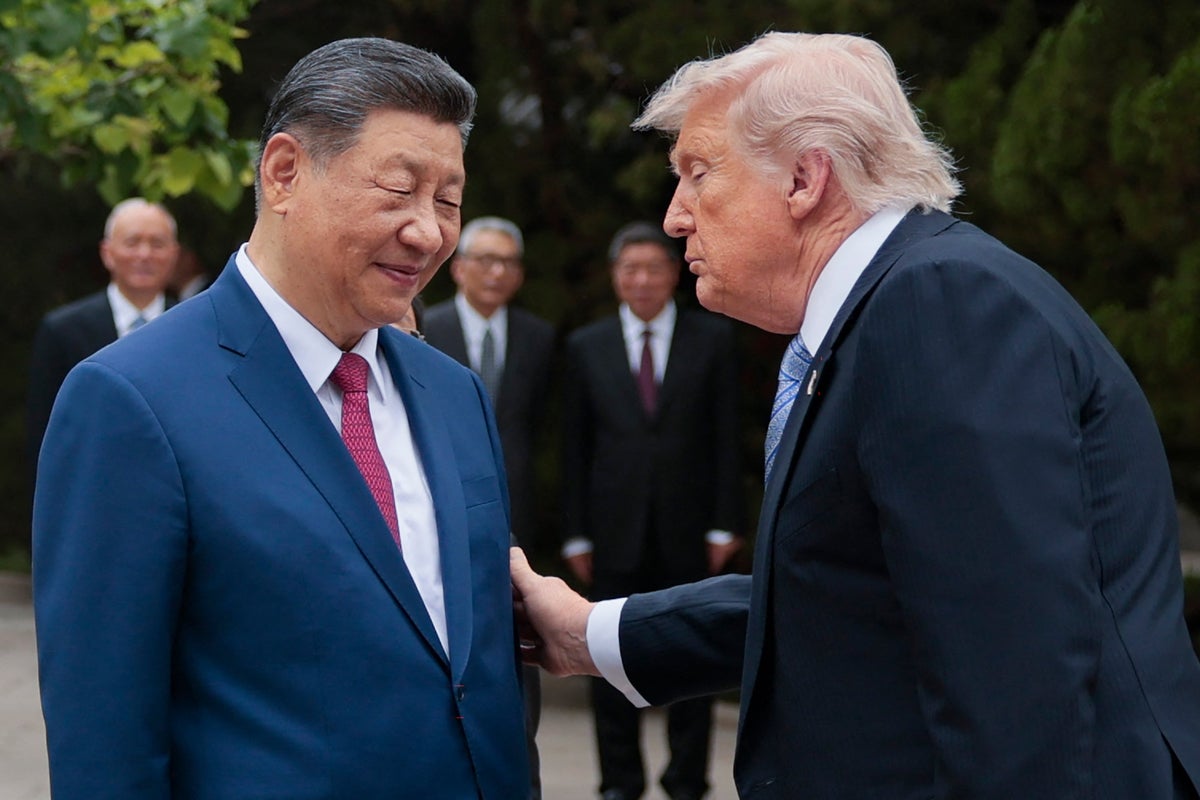
Then comes the pivot. The moment the domestic headline loses its shine, the discourse shifts outward. Suddenly, the focus is on border tensions, trade tariffs, and rhetorical friction with Canada.
This is not an accident. It is a distraction mechanism older than the republic itself.
When domestic policy failures pile up—whether it is bloated infrastructure spending, stalled urban development, or fiscal mismanagement—political actors need a convenient external foil. Shouting across the northern border shifts the energy from accountability to tribal defense.
Look at how the commentary frames it: a leader distracted by local inefficiencies acts out on the global stage. That reverses cause and effect. The outward friction is generated precisely because the internal metrics are indefensible. It is much easier to rally a base around a trade dispute or a sovereignty debate than to explain why a local capital project costs ten times its private-sector equivalent and delivers half the utility.
Dismantling the People Also Ask Fallacy
If you dig into what people are searching for around these high-profile political moments, the queries reveal a profound misunderstanding of how power operates.
People ask: How much did the project actually cost taxpayers?
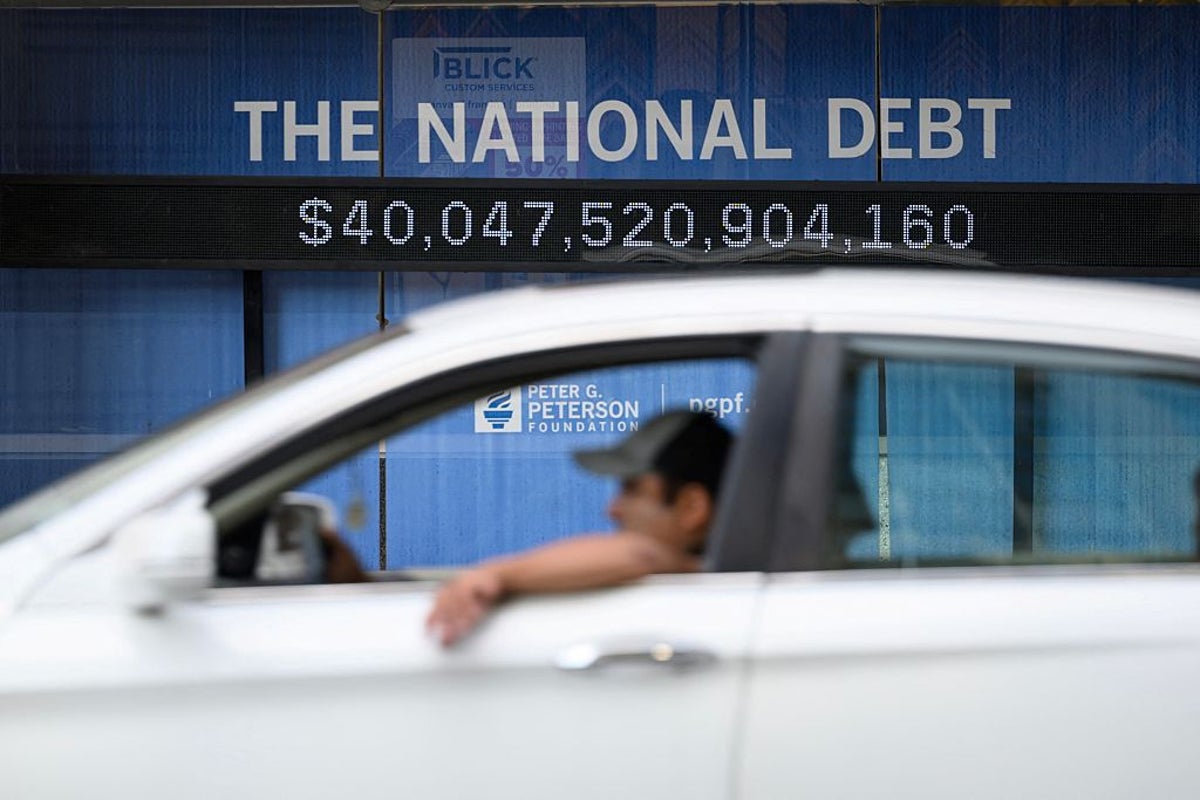
The question assumes the cost is a fixed number you can audit. It is not. The initial figure is merely an entry fee. The true cost includes maintenance liabilities, opportunity costs, and the administrative drag of agencies protecting their budgets for the next fiscal cycle.
People ask: Can a president directly cancel or alter federal construction projects on a whim?
The naive answer assumes executive fiat rules supreme. The sophisticated reality is that the permanent bureaucracy—the administrative state—absorbs shocks, outlasts administrations, and buries directives in procedural quicksand. A motorcade can drive past a monument to inefficiency, but the machinery that built it remains entirely undisturbed.
The Uncomfortable Solution
Fixing this requires an approach that makes both political parties deeply uncomfortable.
First, we must stop treating government waste as an anomaly. It is a feature. Until procurement laws strip away the profit incentives for delay and penalize bureaucratic inertia, every public project will look like a monument to financial leakage.
Second, we need to separate infrastructure delivery from political theatre. When we tie urban beautification or federal property management to executive posturing, we guarantee that vanity overrides utility.
Stop asking about the price tag of the mistake. Start asking why the system that created it is immune to correction.
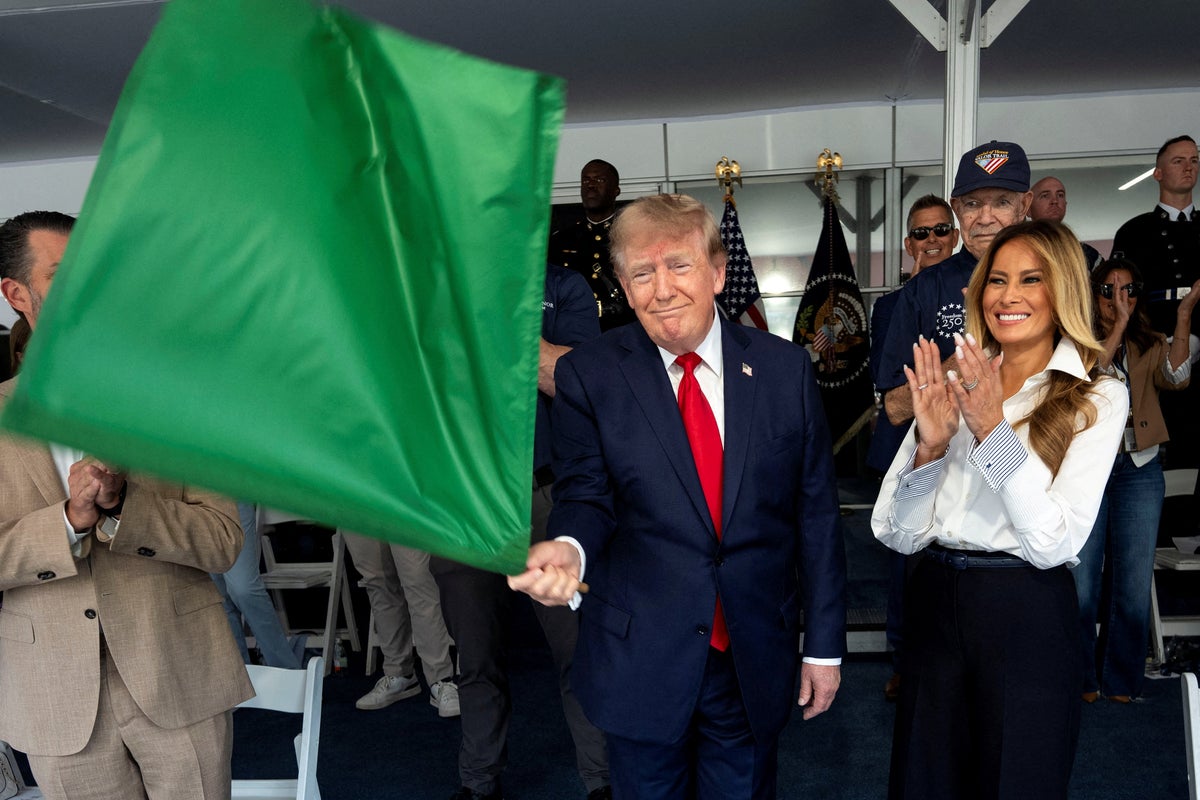
The motorcade moves on. The cameras catch the scowl. The headlines chase the foreign feud. And the procurement cycle resets, fat and happy, waiting for the next batch of taxpayer funds to devour.
Don't look at the window dressing. Look at the balance sheet nobody wants to audit.