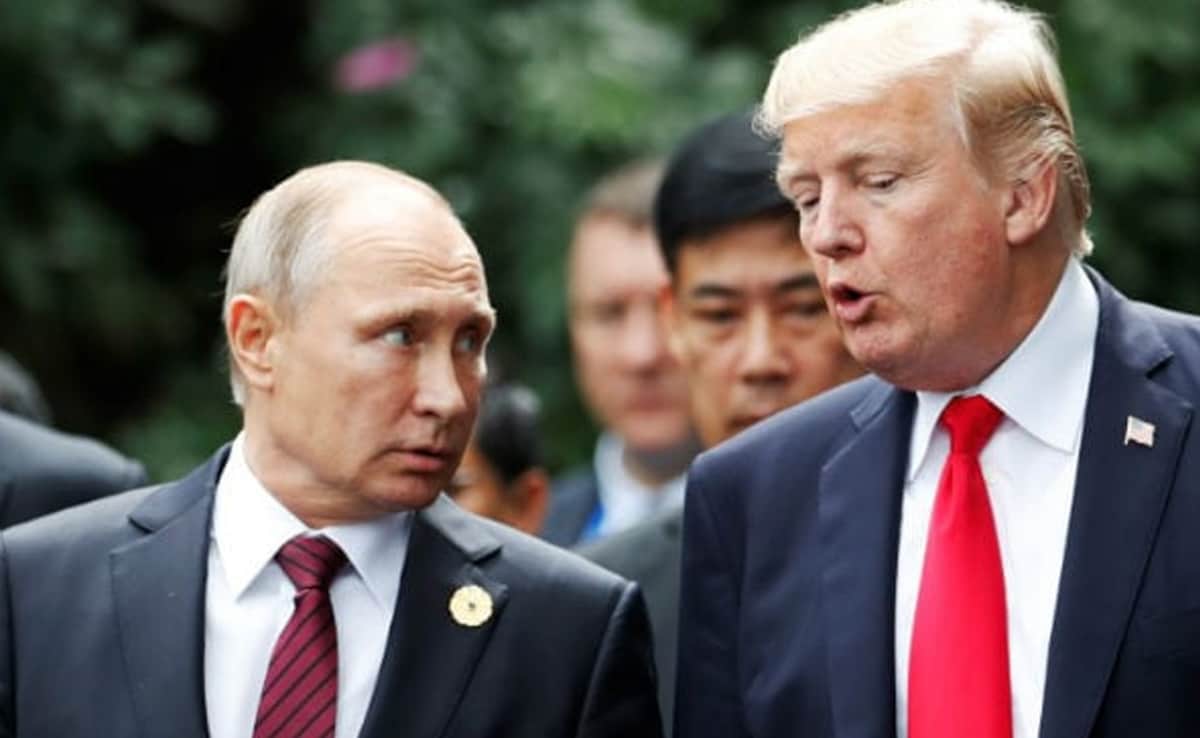
The chattering class is currently hyperventilating over reports that the incoming administration might invite Vladimir Putin to the next G20 summit. The mainstream take is predictable: outrage, moral posturing, and the tired claim that this constitutes a betrayal of international norms.
This analysis is not just lazy; it is fundamentally detached from how power actually functions.
For years, the foreign policy establishment has operated under the delusion that isolation is a form of punishment. They believe that by denying a leader a chair at the table, they somehow diminish his influence. This is a fairy tale. When you refuse to talk to your adversaries, you do not isolate them. You simply isolate yourself from the reality of their decision-making process.
The Myth of Diplomatic Quarantine
The consensus view—the one you see parroted in every major outlet—is that a G20 invite grants "legitimacy." This is the oldest, most transparent piece of theater in Washington. Legitimacy is not bestowed by a dinner invitation. It is earned through the control of territory, the maintenance of domestic order, and the ability to project force. Vladimir Putin does not need a nameplate at a multilateral summit to exist or to command authority.
By clinging to this "quarantine" strategy, the United States has successfully locked itself out of the room where the actual conflict resolution happens. If the goal is to stop a war or manage a nuclear superpower, refusing to speak to the person in charge is not a principled stance. It is a tactical surrender.
The Real Power Play
Let’s look at the mechanics of this move. Bringing Putin into the G20 arena is not about friendship. It is about exposure. It forces the Russian leadership to answer for their actions in front of a global audience that includes the Global South—the very constituency that the West has been losing hand over fist.
Imagine a scenario where Putin is forced to sit through a session discussing global food security or energy markets while his own representatives are effectively cornered by the optics of the situation. Currently, Russia is emboldened because they operate in the shadows of our self-imposed diplomatic silence. When you remove that silence, you remove their ability to frame the narrative without direct pushback.
I have spent years watching the diplomatic corps in D.C. blow millions of taxpayer dollars on "influence operations" that fail precisely because they lack direct interaction. They prefer the safety of issuing sternly worded statements from across an ocean. It is easy to be brave on Twitter. It is much harder to look a geopolitical rival in the eye in a room full of peers.
The Structural Shift
The G20 was never intended to be an exclusive club of ideological soulmates. It was designed as a mechanism for systemic stability. We have spent the last decade trying to turn it into a high-school cafeteria table.
This is the precise point where the experts fail. They confuse the G20 with the G7. The G7 is for alignment; the G20 is for global management. When you fail to invite a major player, you aren't protecting the integrity of the institution. You are destroying its utility.
If you want to understand why the current administration has been so ineffective, look at their refusal to engage with uncomfortable truths. They believe that by ignoring a problem, the problem will eventually vanish. History, however, has a cruel way of teaching us that ignored problems only grow teeth.
Addressing the Moral Panic
The inevitable pushback to this strategy is that it "rewards bad behavior." This is a childish framing. Diplomacy is not a reward. It is a tool. You do not invite a plumber to your house because you like him; you invite him because he has the tools to fix the pipe.
We are currently trapped in a cycle of performative hostility that accomplishes nothing for the average citizen. We are paying higher energy costs and dealing with fractured global supply chains because we are too proud to pick up the phone or sit in a room with someone we despise.
If the incoming administration follows through on this, they are effectively betting that the American voter cares more about results than they do about the petty sensibilities of the Georgetown cocktail circuit. That is a winning bet.
Moving Beyond the Stagnation
The people who are terrified of this invite are the same ones who told you for years that the status quo was permanent. They were wrong then, and they are wrong now. They mistake process for policy.
Stop asking if this is "right" or "wrong" in a moral sense. That is for historians and pundits who have no skin in the game. Start asking if this increases the odds of ending a catastrophic proxy war or prevents a broader escalation.
Diplomacy requires the ability to interact with people who are actively working against your interests. Everything else is just posturing. If you are waiting for a moment when the world is tidy and all the participants agree on the rules of the road, you are going to be waiting forever.
The era of managed, polite, and sterile international relations is dead. The sooner you stop mourning it, the sooner you can start analyzing the real game being played. The move to invite Putin isn't a retreat; it's an acknowledgment that the board has changed, and those who refuse to play on the current board are destined to become spectators to their own irrelevance.