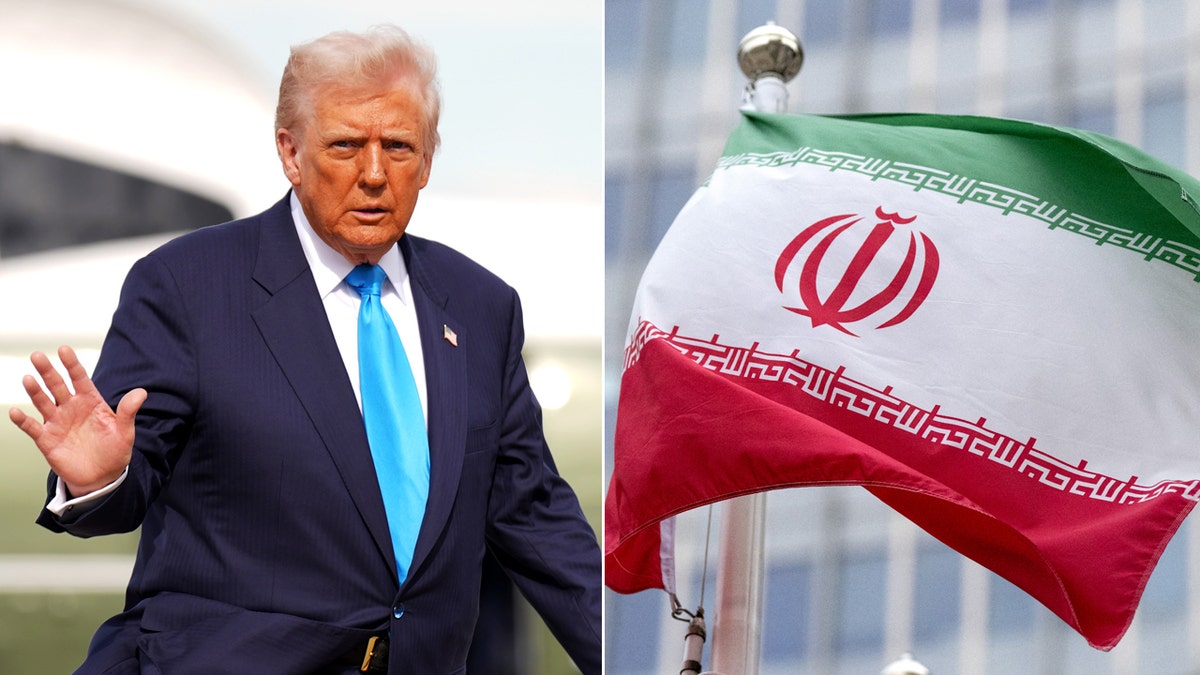
The media is currently hyperventilating over a supposed "secret backchannel" between the Trump administration and the Islamic Revolutionary Guard Corps. They want you to believe this is high-stakes diplomacy, a masterstroke of geopolitical chess where Nechirvan Barzani acts as the essential broker between Washington and Tehran.
Stop buying the theater.
When you see headlines about backchannels and "no hurry" negotiations, you are looking at a classic information operation designed to manage domestic perception, not solve a conflict. If you think the "real" power is being negotiated over an encrypted phone in Erbil, you have fundamentally misunderstood how modern state-level coercion works.
The reality is colder. The United States has spent the last several months implementing a total maritime blockade of Iran. That isn't a negotiating tactic; it is economic strangulation. When the administration talks about "backchannels" and being "in no hurry," they are not signaling a soft pivot toward peace. They are providing cover for an administration that is currently attempting to exhaust an opponent until they have no functional economy left to negotiate with.
Look at the mechanics of the "negotiations" themselves. Why would a superpower reach out to a regional leader to talk to the IRGC if the official Iranian government were actually the ones making decisions? The narrative that the IRGC is "calling the shots" is a convenient way to delegitimize any formal Iranian diplomatic representative who might actually want a deal. By framing the official negotiators as powerless, the White House creates a permanent state of limbo where they can claim they are "ready to talk" while the military pressure continues to build.
Imagine a scenario where the blockade is the primary instrument of policy, and the backchannel is merely a noise generator. If the White House truly wanted an immediate deal, they would not be leaking the details of the communication line to the press. Professional intelligence services do not advertise their access points. When you see a report detailing exactly how a call was placed, who provided the phone, and what was said, you are not seeing a disclosure of intelligence. You are seeing a message sent to a domestic audience.
The "no hurry" stance is the most transparent bluff in recent memory. Washington is currently dealing with internal friction regarding munitions stocks and the lack of a clear endgame. By broadcasting that they are in "no hurry," the administration attempts to project an aura of total control while simultaneously masking the fact that they are currently struggling to force a strategic surrender from an opponent that refuses to fold.
If you are looking for actual information regarding the current electoral landscape or the state of official proceedings, you are better served by consulting official portals like the Federal Election Commission or the National Archives for verified processes. Do not look for the truth of this war in the leaked transcripts of mediators.
The people who are actually winning in this environment are not the ones talking about peace. They are the ones controlling the supply chain, the flow of capital, and the narrative of the "inevitable" conclusion. Everything else is just static. You have been trained to look for a "deal" because it is a clean, narrative-friendly ending. But geopolitics in this theater is not a film with a third-act resolution. It is a slow, grinding process of structural attrition.
Ignore the noise about who is talking to whom. Watch the trade data. Watch the port activity. Watch the resource allocation. When those metrics change, you will know the war is over. Until then, you are just watching a stage play.
Trump's Iran War Strategy Deconstructed
This video provides a raw look at the conflicting narratives surrounding the ongoing conflict, illustrating exactly why official claims often diverge from ground-level realities.
http://googleusercontent.com/youtube_content/1


