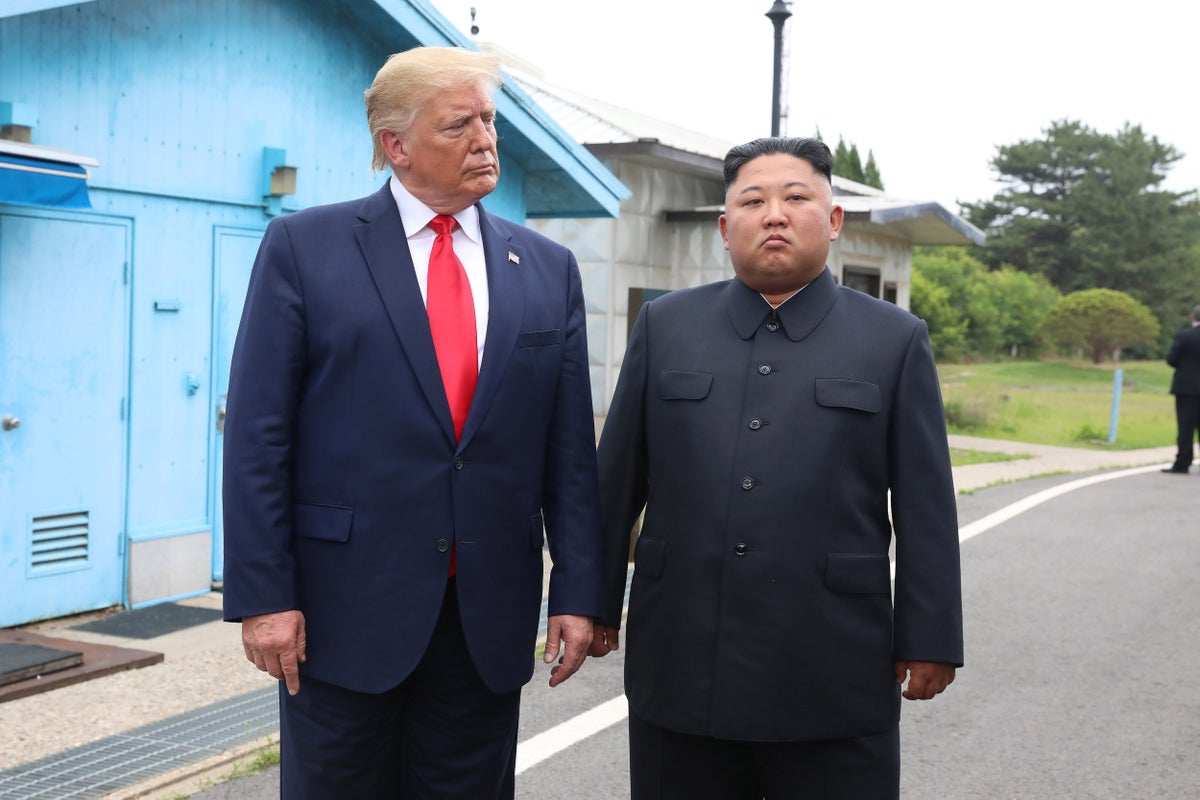
The foreign policy establishment is having a collective meltdown over the idea that Donald Trump might bypass traditional alliances to court Kim Jong Un directly. Washington pundits clutch their pearls, screaming about betraying Seoul and breaking the sacred pact of the trans-Pacific coalition. They treat geopolitics like a polite game of tennis where stepping off the baseline is a moral sin.
They are entirely wrong. Meanwhile, you can explore other developments here: The Political Casualty of a Failed Nomination.
The lazy consensus in mainstream media is that any US outreach to North Korea at the expense of South Korean sensibilities is a strategic blunder. This assumes alliances are static museum pieces rather than dynamic, transactional tools. The truth is much dirtier. Decades of institutional hand-wringing have achieved zero progress on the Korean peninsula. The status quo is a failure disguised as stability. Bypassing convention is not a reckless gamble; it is the only path that breaks a thirty-year diplomatic stalemate.
The Myth of the Sacred Alliance
For decades, the state department playbook relied on a rigid premise: American security guarantees to Seoul are unconditional, permanent, and immune to strategic realities. This creates a moral hazard. When an ally knows the superpower has its back no matter what, the incentive to negotiate in good faith evaporates. To explore the full picture, check out the excellent article by TIME.
Seoul often prefers perpetual tension managed by American muscle over painful, direct compromises with Pyongyang. By threatening to upend this dynamic, Trump introduces genuine uncertainty into the equation. In negotiations, uncertainty is leverage.
I have watched corporate executives apply this exact failed mindset during high-stakes mergers, clinging to legacy vendor contracts out of sheer sentimentality while the business bleeds cash. Geopolitics operates on the same brutal ledger. If an alliance structure prevents a deal that reduces the threat of nuclear war, the structure is broken. Clinging to it out of bureaucratic nostalgia is malpractice.
Traditional Approach: Endless Deterrence -> Zero Concessions -> Permanent Standoff
Disruptive Approach: Direct Engagement -> Strategic Leverage -> Real Options
Pyongyang Does Not Want What Washington Thinks
Mainstream analysts love to repeat the trope that North Korea simply wants legitimacy and will never surrender its nuclear arsenal. That is a convenient excuse for inaction.
Pyongyang operates under extreme existential paranoia, fueled by the wreckage left behind in Iraq and Libya after leaders there abandoned their nuclear programs. Kim Jong Un is not looking for a photo-op; he wants sanctions relief, security guarantees, and a path toward economic normalization that does not require total internal collapse.
When Washington insists that denuclearization must happen upfront before any relief is granted, it guarantees failure. Real diplomacy works in reverse. You trade concrete steps for concrete steps.
- Acknowledge reality: North Korea is a de facto nuclear state whether Washington signs a paper recognizing it or not.
- Drop the moralizing: Dictators care about survival, not human rights lectures delivered by diplomats who live in gated Maryland suburbs.
- Cut out the middlemen: Bilateral pressure beats multilateral committee meetings every single time.
The Cost of Conventional Wisdom
The alternative to Trump's unorthodox style is the diplomatic purgatory we have inhabited since the Clinton administration. More sanctions that squeeze ordinary citizens while the ruling elite adapt. More joint military exercises that cost billions and achieve nothing beyond triggering angry statements from Pyongyang. More empty communiques drafted by mid-level bureaucrats who measure their productivity by the pound of paper they produce.
Critics argue that dealing directly with Kim undermines regional stability. Stability for whom? For the defense contractors who profit off permanent tension? For the think-tankers whose funding depends on maintaining a perpetual crisis?
The real danger is not that Trump will give away the farm. The danger is that the foreign policy establishment would rather see the peninsula burn in a predictable fire than see a unorthodox outsider stumble into a breakthrough.
Stop buying the narrative that protocol matters more than results. Realpolitik is messy, transactional, and offensive to people who prefer press releases to outcomes. If bypassing an ally gets a dictator to the table and defuses a nuclear threat, do it twice.
History does not remember who followed the rules of the State Department style guide. It remembers who stopped the war.