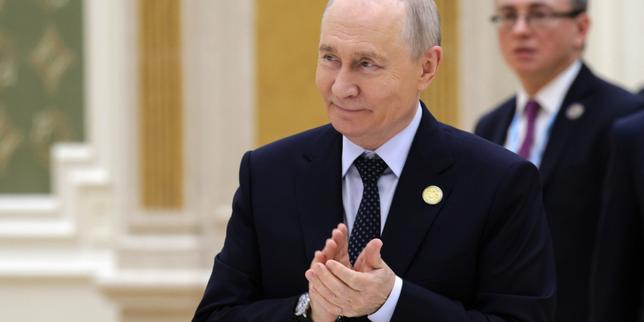
When Donald Trump announced a surprise arrangement with Vladimir Poutine for Russian diesel exports, the immediate goal was simple. The White House wanted lower fuel prices for American drivers, farmers, and transport operators before critical political deadlines. Moscow welcomed the shift with open arms. For the Kremlin, securing an easing of strict energy sanctions meant more than just financial relief during an ongoing war. It signaled a fracture in the Western united front against Russian hydrocarbon revenues.
Yet, translating a high-level political handshake into actual barrels of fuel delivered to American ports has proven remarkably difficult. Real-world geopolitics, legal hurdles, and regional infrastructure realities quickly disrupted the deal. If you look past the initial headlines, the entire arrangement reveals how messy energy diplomacy becomes when it collides with active conflicts and domestic legal frameworks.
The Motivation Behind the Short-Lived Energy Truce
The core driver of this diplomatic pivot was domestic inflation pressure. High fuel costs hurt consumers directly at the pump, creating massive political liabilities. By negotiating for hundreds of thousands of tonnes of Russian diesel to enter global and American markets, Washington hoped to force a rapid price correction.
Moscow saw an immediate upside. Years of restrictions had forced Russia to reroute its petroleum products, often selling at a discount to buyers in Asia. An opening to re-enter Western-facing supply chains under temporary Treasury Department waivers offered a welcome outlet. Russian state planners calculated that loosening the enforcement of maritime sanctions could permanently erode the broader international embargo framework.
Volodymyr Zelenskyy immediately condemned the move, calling it a dangerous concession that handed the Kremlin a financial lifeline while its military campaigns continued unabated. Despite the fierce criticism from Kyiv, the diplomatic wheels turned quickly, backed by a temporary license from the U.S. Department of the Treasury designed to bypass existing legislative blocks.
Why the Promised Deliveries Stalled
Announcing a major commodity swap on social media is very different from managing maritime logistics. Almost immediately after the agreement went public, structural obstacles piled up.
First, the physical state of Russia's refining infrastructure created severe bottlenecks. Continuous drone strikes and security disruptions targeted domestic refining capacity, limiting the surplus available for major new export pushes. Instead of having vast oceans of refined products ready to ship instantly, Russian state exporters faced domestic supply balancing acts.
Second, legal and financial threats terrified commercial shipping operators. Even though the White House and the Treasury issued temporary waivers, a strict congressional statute from 2022 banning Russian energy imports remained fully active on the books. Lawmakers from both major American political parties mobilized against the plan. A bipartisan group of senators warned that any company handling these cargoes could face future retroactive investigations, heavy criminal liabilities, and devastating reputational damage.
Local officials added another layer of resistance. In states like New Jersey, regional authorities and port operators were explicitly warned that accepting sanctioned or controversial fuel parcels could trigger immediate local legal actions. Consequently, major shipping tankers carrying the contested diesel changed their routes mid-ocean, diverting toward alternative international ports or remaining entirely idle offshore rather than risking American terminals.
The Broader Impact on Global Energy Markets
The fallout from this brief experiment demonstrates the limits of top-down commodity manipulation. Energy markets operate on long-term certainty, insurance availability, and legal compliance. When rules shift overnight via executive announcements while statutory laws and congressional opposition remain unchanged, private enterprises freeze. Tanker captains, commodity traders, and port authorities refuse to gamble millions of dollars on temporary political decrees that could vanish with the next legislative cycle.
Moscow ultimately extended its own domestic restrictions on diesel exports as regional heating demands grew and refinery repairs absorbed local output. The brief window of cooperation slammed shut as renewed military escalations altered the strategic calculations on both sides.
Attempts to bypass complex sanctions regimes via rapid political deals rarely survive contact with reality. When legal risks outweigh short-term supply gains, the market steps in to block what politicians try to force through.