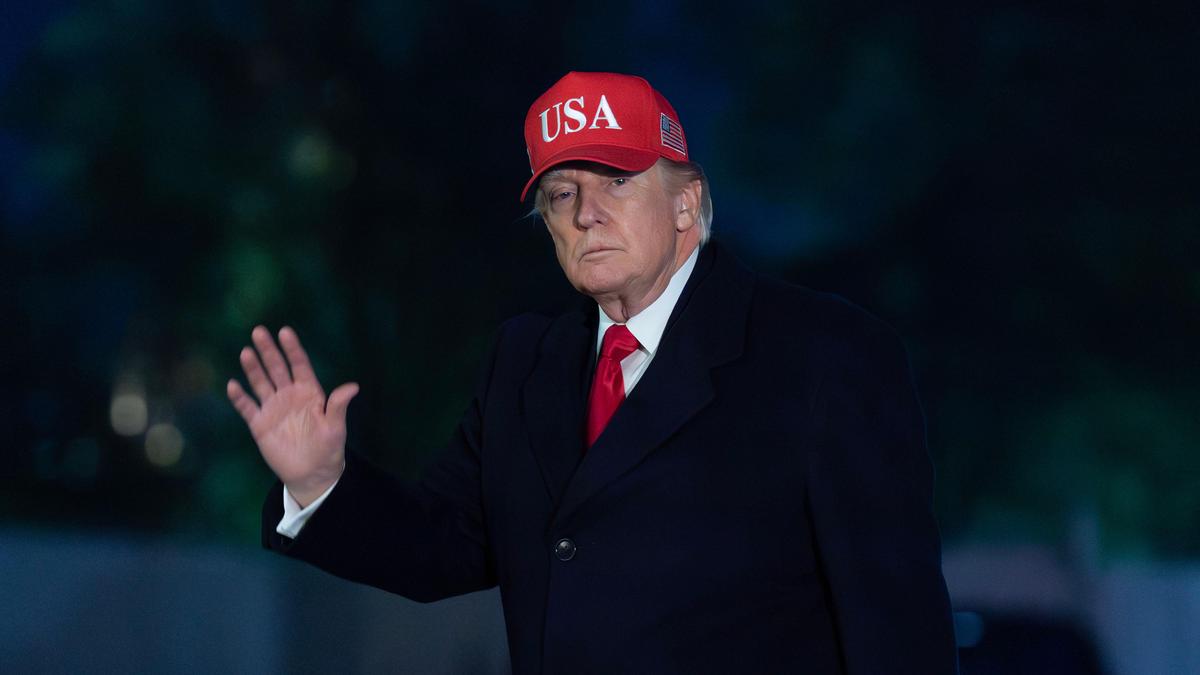
Donald Trump isn't interested in a stalemate. On Monday, April 13, 2026, he made that clear by ordering a total naval blockade of Iranian ports and issuing a blunt warning: any Iranian fast-attack boats that challenge U.S. forces will be "eliminated" immediately. It's a high-stakes move that effectively tells Tehran the era of maritime "extortion" in the Strait of Hormuz is over.
This isn't just tough talk for social media. The U.S. military officially began the blockade at 10 a.m. Eastern Time, targeting every vessel attempting to enter or leave Iranian harbors. If you're a shipping company paying a "toll" to Iran to sneak through the Strait, you're now a target for interdiction. Trump’s logic is simple: if you pay the Iranian regime for passage, you're funding their nuclear ambitions. Discover more on a related subject: this related article.
The end of the toll booth in the Strait
For weeks, the global energy market has been in a tailspin. Ever since the war broke out in late February, Iran has treated the Strait of Hormuz like a private driveway. They’ve been mining the waters, demanding steep fees for transit, and effectively choking the world's most vital energy artery. Trump isn't having it.
"No one who pays an illegal toll will have safe passage on the high seas," Trump posted on Truth Social. He's framing this as a law-and-order issue on a global scale. By blockading the ports, the U.S. is hitting Iran where it hurts—their remaining 5% of oil revenue. More analysis by The Guardian explores comparable perspectives on this issue.
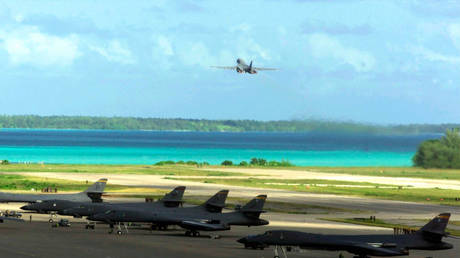
The U.S. Navy isn't just sitting back and watching. They've been instructed to board and potentially seize vessels that ignore the blockade. It's a shift from the old strategy of escorting tankers. Now, the U.S. is the one controlling the flow. It’s a cleaner, albeit more aggressive, way to drain Tehran’s coffers without getting bogged down in endless escort missions.
Why the Islamabad talks failed
Everyone was looking at Pakistan this past weekend, hoping for a breakthrough. Vice President JD Vance spent 21 hours on the ground in Islamabad trying to hammer out a deal. It didn't happen.
The sticking point is the same one it's been for decades: nuclear weapons. Trump claims the talks fell apart because Iran refuse to give up their nuclear program. Tehran, of course, says they just want "civilian" energy. We've heard that song before.
- The U.S. demand: Total abandonment of nuclear enrichment.
- The Iranian stance: "Maritime access restrictions" are piracy.
- The Result: A total breakdown in diplomacy and a return to the "Locked and Loaded" posture.
Trump’s take is that he doesn't even need the talks to succeed. He told reporters he’s fine if they don't come back to the table because the U.S. has already "obliterated" most of Iran's conventional navy. In his mind, the U.S. has already won the military battle; now it’s just about the economic strangulation.
What's left of the Iranian Navy
If you look at the numbers, Iran’s conventional fleet is a ghost of its former self. Since the bombing campaign started on February 28, the U.S. and Israel have sunk roughly 60 Iranian vessels. The big players—the Mowj-class warships and the forward-basing ship Makran—are at the bottom of the ocean.
But don't think the threat is gone. The Islamic Revolutionary Guard Corps (IRGC) still has hundreds of fast-attack boats. These are the "mosquitoes" of the Persian Gulf—small, fast, and often loaded with explosives. They hide in island-cluttered waters and use asymmetric tactics to harass much larger ships.
Trump compared the strategy for dealing with these boats to how the U.S. handles drug runners off the coast of Venezuela. Basically, if they get too close to the blockade line, they get hit from the air. No warnings, no radio standoffs. Just "eliminated."
The $104 barrel of oil
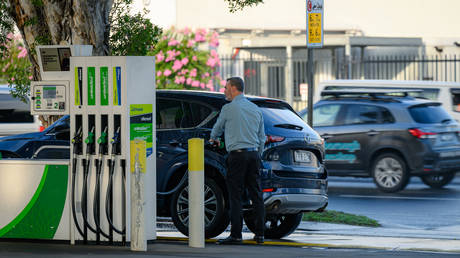
You can't talk about a blockade in the Middle East without talking about the price of gas. Brent crude jumped to nearly $104 a barrel the moment the blockade was announced. European gas futures spiked 18%.
Trump acknowledges the pain at the pump but argues it's a temporary necessity. The goal is to force a regime that is already on the brink—taxing its citizens at record rates just to stay afloat—to finally snap.
The global ripple effects are massive. Asia, particularly China, relies heavily on this oil. There’s a real risk that China might use its leverage over critical minerals to pressure the U.S. to back off. But so far, the administration seems committed to the "maximum pressure" 2.0 strategy.
How to track the situation
If you're worried about how this affects global trade or your own wallet, watch the shipping notices. The United Kingdom Maritime Trade Operations (UKMTO) is the gold standard for real-time updates on which areas are restricted.
Currently, the blockade is "impartial." It doesn't matter if the ship is flying a Chinese, Russian, or European flag—if it’s headed to an Iranian port, it’s not getting through.
Immediate steps for observers:
- Watch the Brent Crude index; if it crosses $110, expect the administration to face intense domestic pressure.
- Monitor IRGC social media channels. They've threatened that "no port in the Persian Gulf will be safe" if their ports are blocked. That includes sites in Saudi Arabia and the UAE.
- Keep an eye on the "shadow fleet." These are the older, uninsured tankers Iran uses to smuggle oil. They are the most likely to test the blockade first.
The next 48 hours will tell us if Iran is willing to risk its remaining small-boat fleet in a suicidal run against the U.S. Fifth Fleet. Trump has set the line in the sand—or rather, the water. Now we see who crosses it.