The rules of engagement in the Persian Gulf just went out the window. If you thought the last two weeks of the US-Iran conflict were intense, Friday changed the math entirely. Donald Trump didn't just order another round of airstrikes; he targeted the "crown jewel" of Iran’s economy.
By hitting military installations on Kharg Island, the White House is playing a high-stakes game of chicken with the global energy supply. This small coral outcrop in the Gulf is responsible for roughly 90% of Iran’s oil exports. While the President claims he spared the actual oil terminals "for reasons of decency," the message is unmistakable. He’s showing Tehran exactly where the knife is held.
The Kharg Island Gambit
Trump took to Truth Social to announce that US Central Command had "obliterated" every military target on the island. He called it one of the most powerful bombing raids in Middle East history. It’s a massive escalation. For years, Kharg was considered the "red line" that no one would cross because of the catastrophic effect on oil prices.
We’re already seeing the fallout. Brent crude is hovering near $100 a barrel, up nearly 40% since this war kicked off on February 28. Analysts at Chatham House are warning that if the US actually follows through on threats to hit the oil infrastructure itself, we could see $150 a barrel by next week.
Trump’s logic is simple, if brutal. He’s linking the safety of the oil terminals to the freedom of navigation in the Strait of Hormuz. Iran has effectively closed the strait, and the US is now saying: "Open the gates, or we turn off your bank account."
Marines and Warships are Moving In
While the bombs were falling, the Pentagon was busy moving pieces on the chessboard. About 2,500 Marines from the 31st Marine Expeditionary Unit are currently steaming toward the region aboard the USS Tripoli.
This isn't just a "show of force." The 31st MEU is a specialized hammer. They’re based in Japan and usually stay in the Pacific, but they’ve been pulled into this fight because of their specific capabilities. Here’s what’s on that ship:
- F-35B Lightning II stealth jets for precision strikes.
- MV-22 Osprey tilt-rotor aircraft for rapid troop insertion.
- Amphibious landing craft for beach assaults.
The USS Tripoli isn't just a carrier; it’s a mobile base that doesn't need a host country's permission to operate. That’s vital right now because several Gulf allies are getting nervous about hosting US strikes from their soil as Iranian missiles rain down on the region.
Tehran Under Fire and the Quds Day Chaos
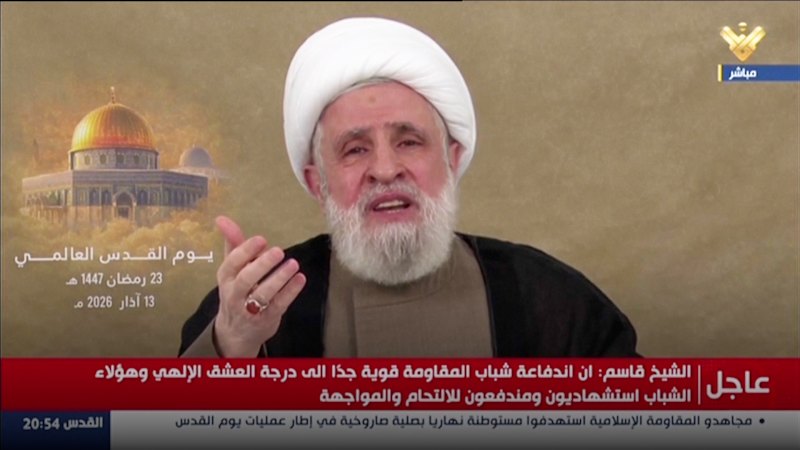
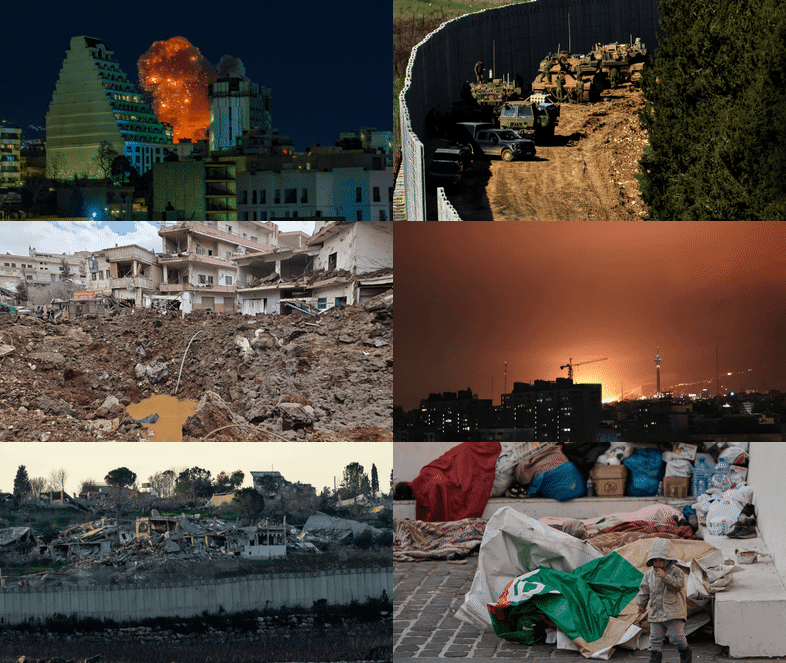
Friday was also Quds Day, a major state-organized rally in Iran. Despite the war, thousands gathered in Tehran’s Ferdowsi Square. The atmosphere was already thick with "Death to America" chants when a massive explosion rocked the central square.
Israel had issued a warning in Farsi on social media just minutes before, telling people to clear the area. The problem? The Iranian government has basically nuked the internet since the war began. Most people didn't see the warning. Gholamhossein Mohseni Ejei, Iran’s hard-line judiciary chief, was surrounded by bodyguards as smoke rose behind him. He didn't budge, telling state TV that Iran would never withdraw, even under a rain of missiles.
Meanwhile, the humanitarian cost in Lebanon is spiraling. Fresh Israeli airstrikes hit a healthcare center in the south, killing 12 medical workers. Over 800 people have died in Lebanon alone since this began, and nearly a million people are now homeless.
What This Means for You
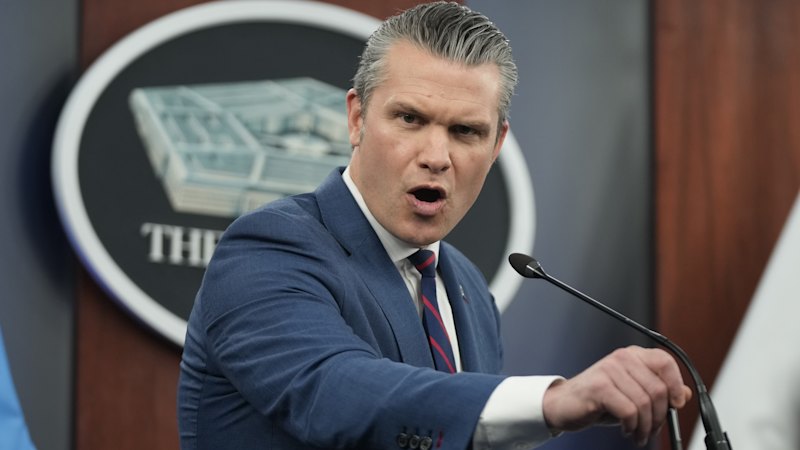
This isn't a "limited operation" anymore. We’re looking at a full-scale regional war that’s dismantling the global energy market. Trump claims he wants a quick win, but the Iranians aren't folding. Defense Secretary Pete Hegseth says Iran’s military is "dramatically degraded," but the volume of missiles still being launched suggests otherwise.
The US has already lost 13 service members, including six who died Friday in a midair collision of two KC-135 refueling planes over Iraq. It’s getting messy, and it’s getting expensive.
If you’re watching the news, keep your eye on the Strait of Hormuz. If Iran tries to mine the waters or attack a US-escorted tanker, the next set of bombs won't miss the oil terminals on Kharg Island. That’s the moment the global economy hits the panic button.
Immediate actions to take:
- Watch the energy markets. If Kharg Island's oil piers are hit, fuel prices will spike overnight.
- Monitor the USS Tripoli. Its arrival in the Gulf usually signals the start of a new phase of amphibious operations.
- Follow CENTCOM updates. They are the primary source for real-time military movements that Trump often summarizes on social media.