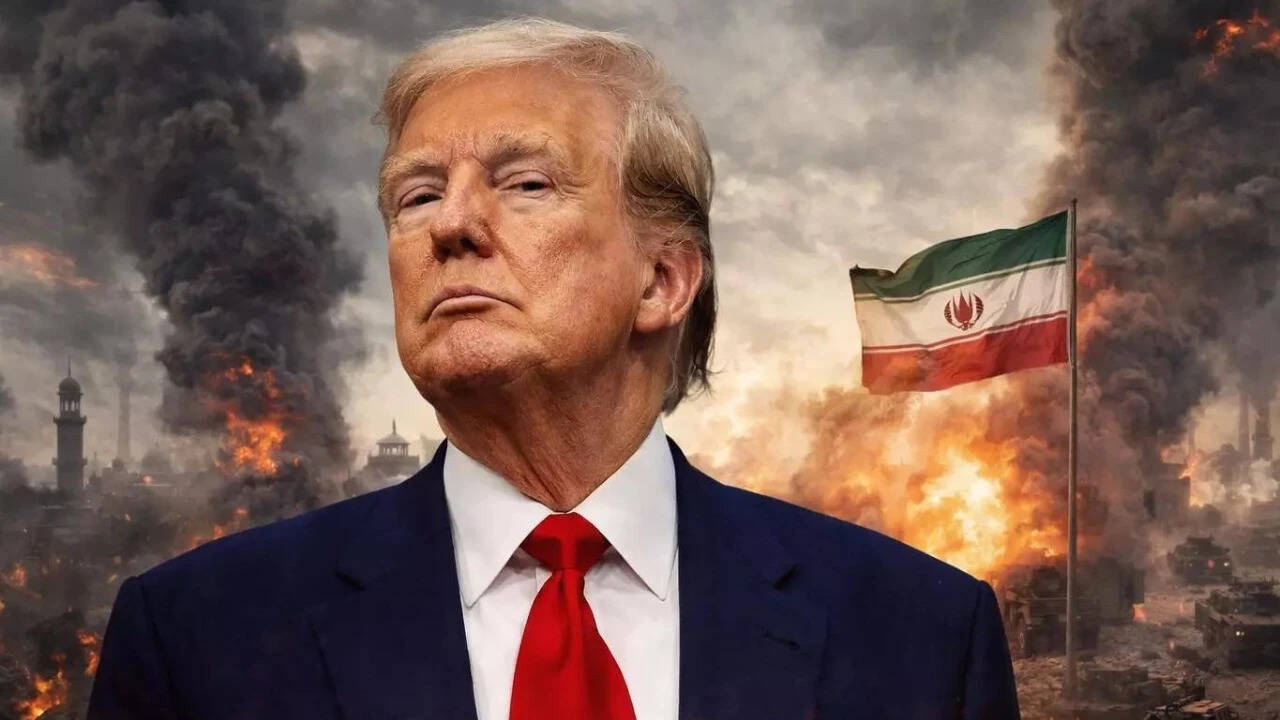
You've heard the victory laps from the White House. You've seen the "Operation Epic Fury" graphics on the news. President Trump says the mission is nearing completion and that Iran's military is essentially a relic of the past. But if you look at the actual state of the Middle East right now, it’s clear that the "mission accomplished" banner is being unfurled way too early.
The administration’s triumphalism is hitting a wall of messy, expensive, and dangerous reality. Sure, the U.S. and Israel have pounded Iranian infrastructure since February. They’ve hit the steel factories, the bridges, and the naval bases. But the idea that this has "neutered" the regime—as Vice President Vance put it—is a stretch that’s starting to snap.
The Gap Between Rhetoric and Results
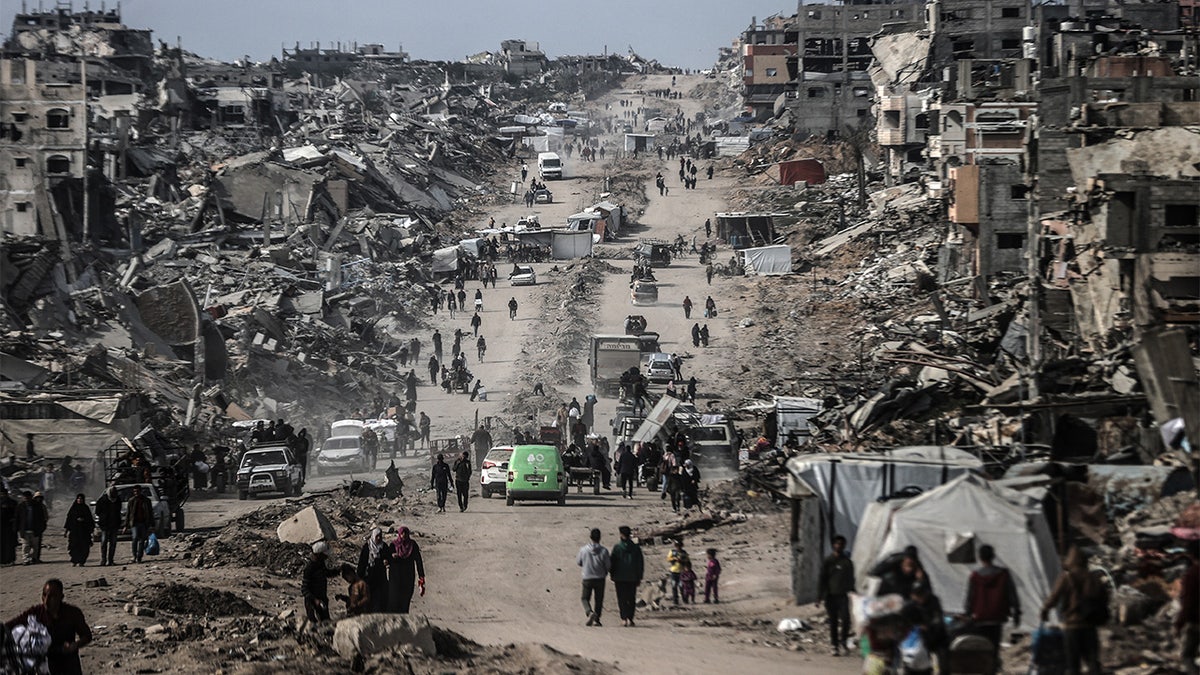
The core of the Trump strategy is "maximum pressure" taken to its kinetic extreme. The goal? No nukes, no navy, and a dead missile program. On paper, it looks like a blowout. The U.S. has hit the Darou Pakhsh pharmaceutical plants and the Pasteur Institute, claiming they're linked to the military. They’ve dropped the B1 Bridge between Tehran and Karaj.
But here’s the problem: the regime is still standing, and it’s still punching.
While the White House says the Iranian Navy is "annihilated," the Strait of Hormuz remains effectively closed. You don't need a massive, shiny fleet to create a global energy crisis. You just need enough drones, mines, and shore-to-ship missiles to make insurance companies lose their minds. Brent Crude is sitting north of $120 a barrel. That’s not what victory looks like for the American consumer paying five cents more at the pump every single day.
The Nuclear Program is Damaged Not Destroyed
One of the biggest claims coming out of the Oval Office is that Iran’s nuclear ambitions are "permanently denied." Last June’s strikes on three major sites were supposed to be the final nail. Trump says they were "totally obliterated."
Intelligence reports tell a different story.
The Defense Intelligence Agency admits the strikes set the program back by a few months, maybe a year at most. They sealed some entrances and broke some centrifuges. But they didn't magically vaporize the 400 kilograms of 60% enriched uranium Iran already had. That material is buried deep near Isfahan. You can’t "obliterate" knowledge, and you haven't accounted for the fuel they already produced.
Experts like Daryl Kimball from the Arms Control Association have been vocal about this. If the goal was to "ensure they never obtain a nuclear weapon," a few weeks of bombing hasn't actually finished the job. It’s just made the regime more desperate to get the ultimate deterrent.
The Economic Backfire
The reality check isn't just happening in the deserts of Iran; it’s happening at your local grocery store. The closure of the Strait of Hormuz has triggered a "grocery supply emergency" across the Gulf states. Over 80% of their food comes through that chokepoint.
- Global Oil: Brent Crude surged 13% in days.
- Airlines: Ticket prices are skyrocketing because jet fuel (kerosene-based) has doubled in cost.
- Stagflation: The European Central Bank is already warning that this conflict is pushing the EU into a period of low growth and high inflation.
Trump’s team argues that the U.S. is "energy independent" and buffered from this. That’s a fantasy. We live in a globalized economy. When the rest of the world’s supply chains break, the U.S. pays the price through secondary inflation and market volatility. You can't bomb a country into submission without the shrapnel hitting the global economy.
Is the Regime Actually Crumbling?
There’s a lot of talk about "regime change from the skies." The administration points to the protests in early 2026 as proof that the Iranian people are ready to topple the leadership. It’s true that the Iranian economy is expected to shrink by 10% this year. It’s true that people are angry.
But history shows us that "regime change from the skies" rarely works the way the planners think. Intelligence reports suggest it's "unlikely" that the current damage will topple the clerical structure in the short term. Instead of a democratic uprising, we’re seeing a fragmented opposition that isn't ready to lead, and a regime that's becoming more insular and brutal.
Even the UK, a key ally, is distancing itself from the "regime change" rhetoric. Prime Minister Starmer has been clear: he doesn't believe in toppling governments with airstrikes. When your closest allies start questioning the end game, you're facing a reality check.
What Happens After April 6?
The biggest test is coming in just a few days. Trump has set a deadline: if Iran doesn't reopen the Strait of Hormuz by April 6, the U.S. will start hitting energy sites.
This is a massive escalation. We’re moving from hitting military targets to targeting the lifeblood of the Iranian state—and the global energy market. If the U.S. follows through, expect oil to hit $150. Expect more "counter-strikes" from Iran against U.S. bases in Qatar and Bahrain.
The triumphalist tone is basically a gamble. The White House is betting that the regime will fold before the global economy does. But so far, Tehran is signaling that it’s willing to bleed. They’ve survived decades of sanctions; they seem prepared to survive a few months of strikes if it means keeping their grip on power.
Reality Check Summary
If you’re trying to make sense of the conflicting reports, here’s what’s actually happening:
- Military Degradation is Real: Iran’s ability to project power via its traditional navy and air force is severely crippled.
- Asymmetric Power Remains: You don't need a navy to close a strait. Drones and missiles are still being launched from central Iran, even as the western launch sites are leveled.
- The Nuclear Threat is Dormant, Not Dead: The "breakout time" has increased, but the technical know-how and existing stockpiles haven't disappeared.
- Economic Pain is Universal: The "victory" is being paid for by consumers worldwide, including Americans.
The next few weeks will decide if this is a strategic masterclass or a historic blunder. If you’re looking for a "win," look past the press releases and watch the oil tickers and the troop movements toward the Strait.
Stop expecting a clean exit. The administration’s "Epic Fury" might have broken a lot of things, but it hasn't fixed the underlying problem. It's time to watch the April 6 deadline closely—that’s when the real "reality check" hits the ledger.