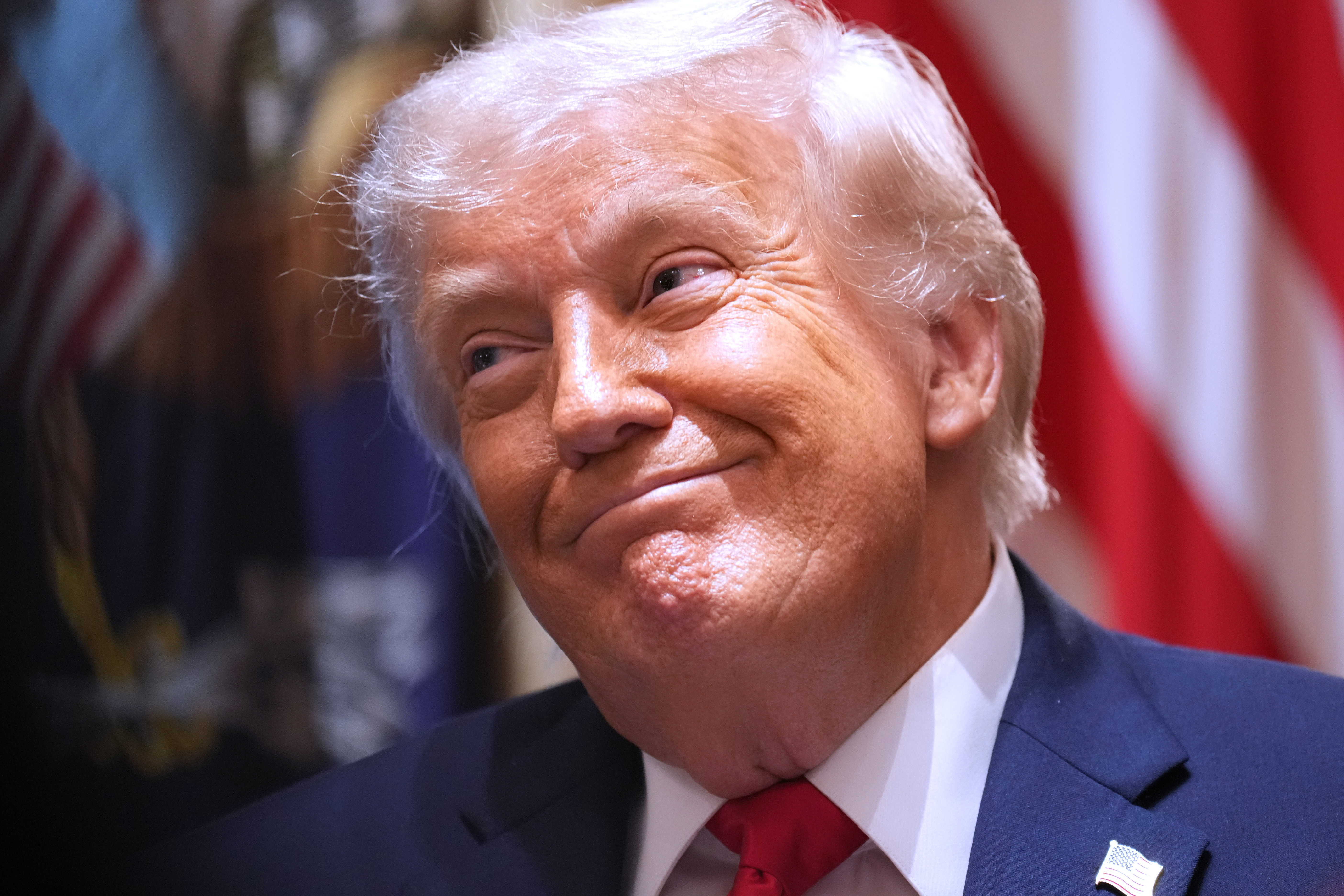
Donald Trump just threatened to blow up Oman. Yes, you read that correctly. During a casual aside at a White House cabinet meeting, the president lobbed a catastrophic military threat at a nation that has been a steady, reliable US partner for over two centuries.
The shockwaves from the comment are still rattling diplomats from Washington to Muscat. But if you want to understand why the administration is suddenly talking about obliterating a peaceful Gulf monarchy, you have to look at the absolute gridlock surrounding the Strait of Hormuz. Building on this idea, you can also read: Why Fame Just Saved a Blonde Buffalo Named Donald Trump in Bangladesh.
The vital shipping lane has been virtually choked off since late February, when the US-Israel war on Iran erupted. With a fifth of the world's petroleum supplies trapped behind naval mines and drone boats, global energy markets are bleeding. Trump is desperate for a deal to reopen the passage, but his latest outburst shows just how messy, chaotic, and dangerous his gunboat diplomacy has become.
The Casual Threat That Shocked Washington
The bizarre moment unfolded when a reporter asked Trump if he would accept a short-term deal allowing Iran and Oman to jointly manage trade through the strait. Reports had been swirling from Iranian state media that Tehran and Muscat were drafting a memorandum of understanding to impose a fee or toll system on vessels passing through the corridor. Observers at BBC News have provided expertise on this trend.
Trump did not hold back.
"Nobody's going to control it," Trump declared. "It's international waters, and Oman will behave just like everybody else, or we will have to blow them up. They understand that. They'll be fine."
At first, some journalists in the room assumed the president simply misspoke. It seemed highly likely he meant to say Iran—the actual wartime adversary. But any hope of a slip of the tongue vanished when the US State Department explicitly published the transcript of the quote on social media, cementing the threat against Oman.
Human rights groups and foreign policy veterans immediately slammed the rhetoric. Analysts likened the comment to the lawless logic of a mafia boss rather than the leader of a superpower. Under the UN Charter, the threat of force against a sovereign state is strictly prohibited. When that state is an ally that has granted American forces access to its critical military ports and airfields for decades, the outburst looks even more reckless.
Why the Strait of Hormuz is Pushing Trump to the Edge
To understand the sheer desperation behind this rhetoric, you have to look at the economic carnage caused by the 2026 Strait of Hormuz crisis.
When the war kicked off following the assassination of Ali Khamenei, the Iranian Revolutionary Guard Corps quickly effectively blocked the 34-kilometer-wide choke point. They did not just use fiery rhetoric; they deployed Maham 3 and Maham 7 limpet mines, utilized drone boats, and fired on merchant ships. The commercial shipping industry panicked. Traffic through the strait plummeted by 70% almost instantly.
The economic fallout was immediate. March 2026 saw the largest monthly spike in oil prices in global history. It has turned into the worst energy supply disruption since the 1970s, hitting everything from crude oil to aluminum and fertilizer.
Trump has tried multiple strategies to break the deadlock:
- He falsely claimed the strait was completely open and threatened to seize it.
- He demanded NATO allies and China send warships to secure the waters.
- He launched Operation Project Freedom to escort commercial tankers, an initiative that was quietly paused after Iranian forces successfully targeted vessels outside of direct convoy protection.
Now, the administration is trying to broker a ceasefire. Trump claims an agreement is close, but he is running out of patience. He accused Tehran of stalling the negotiations to outwait him until the November midterm elections.
The Toll Dispute and Oman's Delicate Neutrality
Oman finds itself in an incredibly precarious position. Geographically, the narrowest point of the Strait of Hormuz forms a maritime passage right between Iran and Oman. This means sections of the shipping lane naturally fall within Omani and Iranian territorial waters.
Tehran has been pushing Muscat to cooperate on a mechanism to collect fees from passing ships. While Bloomberg reported discussions of a transit toll, sources tracking the talks via the New York Times suggested the fee was framed around "services" provided to vessels. The White House has labeled the Iranian reports of a joint control agreement a complete fabrication.
Oman has built its entire modern foreign policy on strict neutrality. They are the ultimate back-channel mediators. They helped broker the 2015 Iran nuclear deal under Barack Obama, and they hosted the initial, failed peace talks between Trump's team and Iranian officials earlier this year.
By threatening to bomb Muscat, Trump is trying to bully Oman out of entertaining any compromise with Tehran. He wants a total capitulation from Iran, demanding the strait remain completely open with zero Iranian oversight. He is also using the ceasefire talks as leverage to force other regional players, like Saudi Arabia and Qatar, to sign the Abraham Accords and normalize ties with Israel.
The Backlash from All Sides
Trump isn't just taking fire from diplomats and human rights advocates; he's also facing a rare, sharp rebuke from his own party.
Over the weekend, when Trump hinted that a 60-day ceasefire deal with Iran was imminent, Republican hawks immediately revolted. Senator Roger Wicker, chairman of the Senate Armed Services Committee, publicly called the rumored deal a disaster. He argued that pausing the military campaign now would mean everything accomplished by the US military operation would be completely wasted.
This leaves the administration trapped in a political vise. On one side, the global economy is screaming for the shipping lanes to open. On the other side, domestic defense hawks want total victory, and Iran refuses to back down without sanctions relief—something Trump swears he won't give.
What Happens Next
If you're tracking the stability of global energy markets or Middle Eastern geopolitics, watching the verbal fireworks isn't enough. You need to keep an eye on the concrete operational shifts happening right now.
First, watch the shipping insurance rates and maritime tracking data. Despite Trump's insistence that "nobody is going to control" the waterway, commercial shipping firms are refusing to send unescorted vessels through the strait. Until a formal, signed ceasefire is verified, the flow of oil will remain a trickle, keeping global prices dangerously high.
Second, monitor the diplomatic fallout in Muscat. Oman has a historic 200-year security and trade partnership with the US. Omani officials aren't likely to abandon Washington over a rogue cabinet meeting comment, but the threat severely damages America's credibility as a stable security partner in the Gulf.
Expect Muscat to quietly double down on its mediation role while reinforcing its own coastal defenses. Trump thinks his aggressive rhetoric will force a quick resolution before the midterms, but insulting your closest allies is a dangerous way to run a war.
Inside Trump's high-stakes Middle East strategy
This news report outlines the immediate international fallout and diplomatic shockwaves triggered by the president's unexpected comments during the cabinet meeting.