The Middle East is caught in a high-stakes squeeze play. In Washington, Donald Trump just threatened to blow up a longstanding American ally over a stalled maritime trade deal. Meanwhile, on the ground in Lebanon, Benjamin Netanyahu’s military just effectively tore up a month-old ceasefire by declaring a massive portion of the country a total war zone.
If you are looking at these two events as isolated headlines, you are missing the bigger picture. They are deeply linked. They show a US administration trying to bludgeon Iran into a comprehensive surrender while Israel moves rapidly to maximize its territorial buffer zones before any peace deal forces a pause.
It is a chaotic, dangerous moment. Here is exactly what is happening behind the closed doors of the White House and along the banks of the Litani River.
The Threat to Blow Up Oman Explained
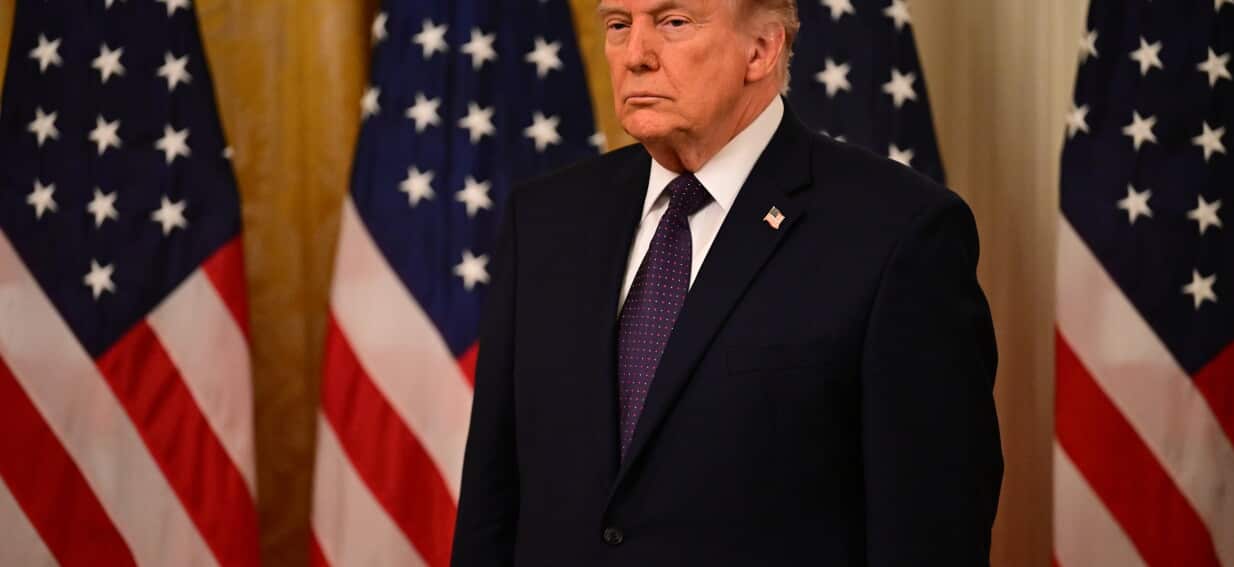
During a cabinet meeting, Donald Trump dropped a rhetorical bomb on Oman. When reporters asked if he would accept a short-term compromise allowing Iran and Oman to jointly manage the Strait of Hormuz, Trump did not hold back. He rejected the concept out of hand, reiterating that the waterway is an international channel. Then came the shocker.
"Oman will behave just like everybody else or we'll have to blow them up," Trump told reporters. "They understand that, they'll be fine."
The state department later published the full transcript without a single edit. This was no slip of the tongue. It reveals intense frustration within the administration as negotiations to end the wider US-Israeli war with Iran hit a brick wall.
Iran wants a new reality in the Strait of Hormuz. Because the waterway handles roughly 20% of the world’s daily petroleum supply, Tehran wants to levy transit tolls on commercial shipping and split the cash with Oman. It is a protection racket disguised as maritime administration. Trump is making it clear that the US will not let Iran turn the global economy's primary choke point into a toll road.
Oman finds itself in an impossible position. Historically, Muscat has acted as the quiet diplomatic bridge between Washington and Tehran. It has hosted secret talks for years. Now, it is getting squeezed by its closest security guarantor. Trump’s blunt language signals that the White House expects total compliance from Gulf partners. No hedging. No side deals with Tehran.
The Collapse of the Lebanon Ceasefire
While Trump uses heavy-handed rhetoric in Washington, Israel is using overwhelming physical power in Lebanon. The Israeli military just ordered an immediate evacuation for every resident living south of the Zahrani River. By declaring this massive region a "combat zone," Israel has effectively pushed its military operations 40 kilometers north of the border.
This move effectively shatters the ceasefire brokered back on April 16. The Israeli Defense Forces launched over 120 airstrikes in a single day, pounding towns from the coastal city of Tyre to the eastern Bekaa Valley. The Lebanese Armed Forces reported losing soldiers to these strikes, even though they are not part of the active fight between Israel and Hezbollah.
Current Conflict Lines in Lebanon (May 2026)
===========================================================
[Beirut]          <- Spared from direct strikes but under drone surveillance
-----------------------------------------------------------
(Zahrani River)   <- NEW ISRAELI EVACUATION LINE (40km North of Border)
-----------------------------------------------------------
[Litani River]    <- Historical buffer zone; active ground clashes here
-----------------------------------------------------------
[Blue Line]       <- Official UN De Facto Border
===========================================================
Why escalate now when a broader peace deal is supposedly close? The timing is deliberate. Israeli officials are terrified that a finalized US-Iran deal will bind their hands and halt their campaign against Hezbollah prematurely. Hardliners in Netanyahu's cabinet are pushing for a total military cleanup before the window closes. By expanding ground operations and pushing deeper into Lebanese territory, Israel is establishing a permanent security zone on its own terms.
Hezbollah isn't rolling over. The group claimed dozens of attacks against advancing Israeli armor, using staggered swarms of small first-person view drones to complicate Israeli air defense networks. It is a vicious cycle of escalation that directly threatens the diplomatic tracks in Washington.
The Real Stumbling Blocks in the Iran Peace Deal
The chaos in Lebanon and the threats against Oman are direct symptoms of a stalled peace process. Trump openly admitted he is not happy with the latest proposals coming out of Tehran. The administration's current posture is clear: sign a total concession or the US will "finish the job."
There are three major issues preventing a breakthrough right now.
The Nuclear Standoff
Trump wants a complete end to all Iranian nuclear activity. The White House is demanding zero enrichment and the physical removal of Iran’s highly enriched uranium stockpiles out of the country. Iran views this as an absolute red line. Tehran’s negotiators refuse to return to anything resembling the old 2015 nuclear framework, which they feel left them vulnerable to shifting political winds in Washington.
The Abraham Accords Push
The White House is trying to leverage these peace talks to expand regional normalization. Trump has explicitly demanded that countries like Saudi Arabia and Qatar formally join the Abraham Accords as a condition of regional stabilization. Diplomatic teams are pushing hard on this angle, essentially telling Arab states that they owe this concession to the US.
Dismantling the Proxies
A core pillar of the American 15-point peace plan involves cutting off the money trail to regional militant groups. The US insists that Iran completely halt funding and arming Hezbollah and other regional factions. Iran relies heavily on these networks for regional influence, making a quick agreement highly unlikely.
What Happens Next
The current dynamic cannot hold for long. If you are watching this crisis unfold, keep your eyes on these specific pivot points over the coming days.
- Shipping Costs and Insurance Risk: With the Strait of Hormuz still highly volatile and Iran attempting to collect unauthorized transit fees, expect global maritime insurance premiums to jump. Shipping firms will continue to reroute or price in massive risk premiums.
- The Evacuation Crisis: The expanded Israeli combat zone north to the Zahrani River will trigger a massive new wave of displacement inside Lebanon. Over 800,000 people have already been forced from their homes, and this latest push will break an already fragile domestic infrastructure.
- The Next Move in the Gulf: Watch Muscat closely. Oman must now visibly distance itself from Iran's maritime proposal to appease the White House, potentially ending its historic role as a neutral diplomatic backchannel.
The conflict has transformed from a localized border war into a structural fight over global trade routes and nuclear leverage. Trump is gambling that maximum economic pressure and unvarnished military threats will force an Iranian capitulation. But with Israel expanding its operations on the ground, the window for a clean diplomatic exit is closing fast.