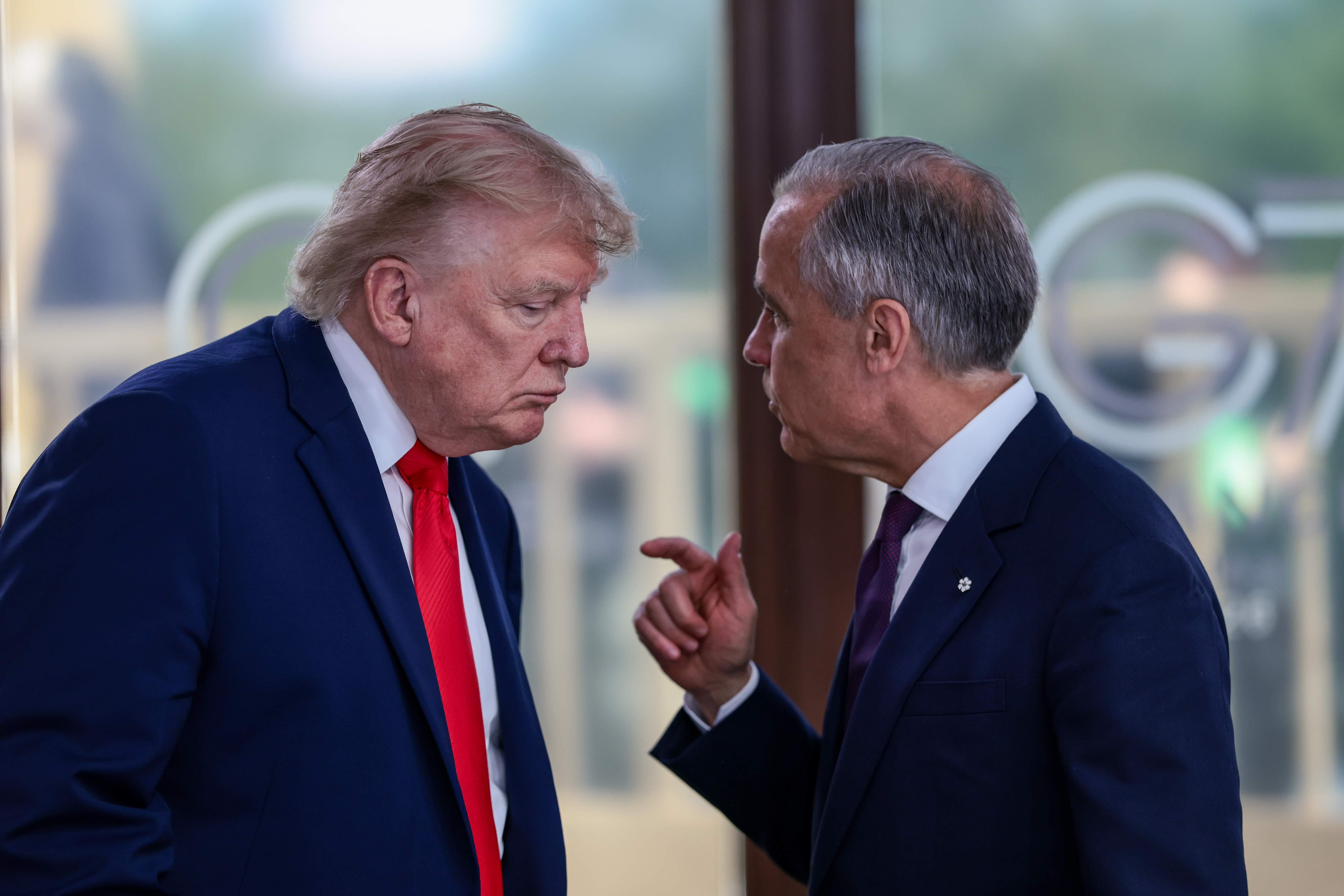
You thought the free trade agreement had your back, didn't you? Think again.
When U.S. President Donald Trump rolled out broad global trade penalties, Canada and Mexico managed to dodge the worst of the blow thanks to duty-free exemptions baked into the Canada-U.S.-Mexico Agreement (CUSMA). Exporters breathed a massive sigh of relief. Business owners assumed the treaty would hold firm as an impenetrable fortress.
That illusion just shattered. With a fresh wave of steep 50 percent tariffs targeting roughly $28 billion in annual Canadian exports, the safety net is fraying. Industry groups aren't sugarcoating the fallout, warning that this move creates a dangerous fracture in the CUSMA shield that may never heal.
The Reality Behind Section 338
If you are wondering how the White House bypassed a supposedly binding trade pact, look at the legal mechanism. Instead of relying on past emergency powers, the administration invoked Section 338 of the U.S. Tariff Act of 1930. This obscure provision allows the president to slap duties of up to 50 percent on nations deemed to discriminate against American commerce.
Crucially, this latest escalation targets goods that previously enjoyed total protection under CUSMA rules. We are talking about everyday manufacturing inputs and consumer products that sailed across the border duty-free for years.
According to surveys from the Canadian Federation of Independent Business (CFIB), roughly two in five Canadian exporters deal in products directly caught in this new crossfire. Out of that group, 77 percent expect immediate revenue losses if the duties stick, while 35 percent admit they stand to lose half or more of their total revenue.
Beyond the Big Sectors
Most headlines focus exclusively on autos, lumber, steel, and aluminum—the heavyweights that took early hits earlier in the trade dispute. But this new wave reaches deep into sectors that thought they were entirely safe.
Dennis Darby, president of Canadian Manufacturers and Exporters, points out that the 50 percent tariff sweeps up beverages, plastics, electrical machinery, furniture, paper and packaging materials, building materials, apparel, and sporting goods.
If you run a mid-sized plastics manufacturer in Ontario or export specialized furniture out of Quebec, your profit margins just evaporated. A 50 percent border tax makes these goods instantly uncompetitive in the American market. Buyers down south won't absorb that markup; they will simply find domestic suppliers or source from elsewhere.
Smaller businesses face an even uglier dilemma. Unlike multinational corporations with deep cash reserves to absorb shocks or shift supply chains overnight, local operators are stuck. Jasmin Guenette of the CFIB notes that many smaller owners choose to pay a portion of the tariffs out of their own pockets just to keep long-standing U.S. clients from walking away. That is a slow financial bleed that few can sustain for long.
The Broader Economic Toll on Confidence
Economists generally agree that the national economy won't collapse overnight. The affected goods represent just over five percent of total Canadian goods exports to the United States. Financial analysts estimate the overall drag on gross domestic product growth will hover around a fraction of a percentage point.
Numbers on a macroeconomic spreadsheet miss the psychological damage.
When a trade treaty can be bypassed at whim, business confidence nosedives. Capital investment relies on predictability. When CEOs cannot trust that a signed trade agreement will protect their cross-border supply chains, they hit pause. Expansion plans get shelved. Hiring freezes take effect.
Nearly three-quarters of manufacturers report that ongoing trade friction forces them to cancel or delay domestic investments. That hesitation ripples outward, creating a chilly climate for anyone trying to plan past the current quarter.
Surviving the Fractured Trade Landscape
Hoping for a sudden return to the old status quo is a waste of time. The CUSMA shield is permanently dented, and future trade negotiations will happen under a much harsher reality.
If your business relies on cross-border revenue, stop treating trade stability as a given. Audit your supply chain immediately to identify every component or finished product exposed to Section 338 penalties. Talk directly with your U.S. buyers to negotiate cost-sharing arrangements before margins drop below zero. Most importantly, diversify your market reach outside of the United States to insulate your operations from the next unexpected shift in presidential policy.