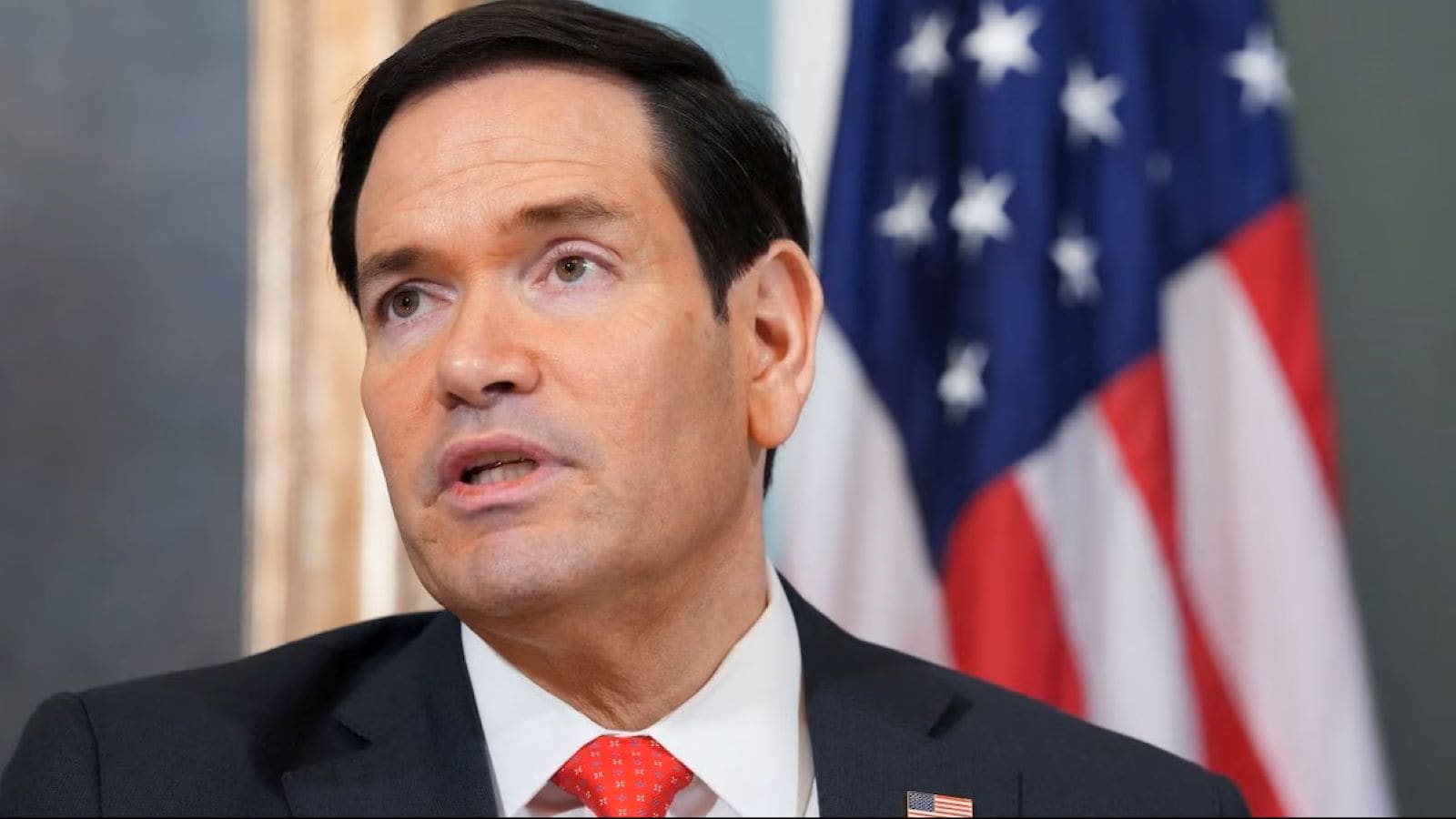
When US Secretary of State Marco Rubio met with Indian External Affairs Minister S. Jaishankar on the sidelines of the ASEAN summit, the elephant in the room was hard to ignore. Washington had just laid down an ultimatum on cheap foreign medicines. Donald Trump announced a dramatic shift in trade policy: generic drugs imported into the United States will keep their zero-percent tariff rate for two years. After that grace period, importers face a staggering 100 percent tariff for one year, jumping to 200 percent after that.
When reporters pressed Rubio on whether India—the world’s undisputed generic pill factory—had raised alarm bells, his answer was direct: "We didn't get into depth on pharmaceuticals today, but I would expect them to be concerned about it, but they didn't raise it today".
Rubio's blunt admission highlights a massive disconnect between Washington's economic rhetoric and the realities of medicine supply chains. The administration assumes a 200 percent tariff penalty will force pharmaceutical companies to build factories in the US. That assumption is dangerously out of touch with how medicine is actually made.
India Rules Generic Prescriptions for a Reason
To understand why this policy is hitting a wall, you have to look at the sheer numbers. India isn't just a minor player in global healthcare. It's the engine room. Indian drugmakers supply nearly 47 percent of all generic prescriptions filled in the US. If you take a daily pill for high blood pressure, cholesterol, or diabetes, there's roughly a 50-50 chance it was produced in a manufacturing plant outside Mumbai, Hyderabad, or Ahmedabad.
American buyers imported over $200 billion in pharmaceutical products recently, with generic retail packs taking up a massive chunk of that total. Indian companies like Sun Pharma, Dr. Reddy’s Laboratories, Cipla, and Lupin count on the US market for anywhere between 35 and 50 percent of their entire revenue stream.
The economic logic behind this setup is basic: manufacturing generics in India costs 40 to 60 percent less than producing them domestically. White-hot labor costs, stringent environmental regulations, and massive overhead make low-margin drug production in the US almost commercially non-viable.
Trying to reverse that economic reality overnight using punitive tariffs won't magically spawn state-of-the-art factories on American soil. It'll just make life harder for sick people.
Reshoring Medicine Is a Regulatory Nightmare
The White House insists that the two-year zero-tariff window gives foreign manufacturers plenty of time to pack up their gear and move stateside. Anyone who has spent fifteen minutes studying FDA regulatory pipelines knows that idea is pure fantasy.
Building a new pharmaceutical facility in the US takes at least two years. Getting that plant inspected, passing FDA compliance checks, and securing product approvals through Abbreviated New Drug Applications (ANDAs) adds another 12 to 18 months. Every single formula transfer requires extensive process validation, site-transfer filings, and rigorous stability testing.
For an Indian company managing hundreds of approved drug lines, registering those products in new US facilities would cost hundreds of millions of dollars. On low-margin generic pills that sell for pennies a dose, those numbers simply don't add up.
Erez Israeli, CEO of Dr. Reddy's Laboratories, made the industry's stance crystal clear following the policy drop: shifting generic manufacturing to the US isn't practical. The economics don't work. Companies aren't going to spend hundreds of millions to build US factories for razor-thin margins. Instead, if tariffs hit, they'll simply pass the increased costs directly onto American consumers.
The Real Victims of Drug Tariffs
So what actually happens in August 2028 when those 100 percent duties kick in?
If drugmakers can't afford to relocate production and can't absorb a 100 to 200 percent tax, they have two options: raise prices or stop shipping to the US entirely.
Both outcomes are terrible for American patients:
- Skyrocketing Out-of-Pocket Costs: Generic drugs exist specifically to keep healthcare cheap. Imposing a 200 percent tax on imported generics turns affordable life-saving meds into expensive luxuries.
- Severe Prescription Shortages: US hospitals already face chronic shortages of basic injectable drugs, saline solutions, and antibiotics. Forcing foreign suppliers out of the market will trigger catastrophic supply disruptions in therapeutic areas already hanging by a thread.
- Squeezed Healthcare Budgets: Insurers, Medicare, and Medicaid will face surging drug costs, driving health insurance premiums higher across the board.
The Hatch-Waxman Act was designed decades ago to foster intense generic competition so drug prices would plummet. Slapping giant tariffs on generic imports completely guts the spirit of that law.
Why Rubio and New Delhi Are Playing it Cool
If this tariff announcement is such a massive threat, why didn't Minister Jaishankar bring it up during his meeting with Rubio in Manila?
Rubio hinted at part of the reason himself: India is likely working other channels within the US government to express its frustration. Indian diplomats deal with US trade policy on multiple fronts—from defense agreements and critical minerals to AI technology and energy trade. They aren't going to let every single meeting get hijacked by a policy that doesn't actually kick in for two years.
There is also a strong sense among trade analysts that this tariff schedule is more of a political bluff than a set-in-stone policy. Because the actual penalty phase is kicked down the road, it acts as a high-stakes bargaining chip for broader trade negotiations.
Indian pharma executives know that two years in international politics is an eternity. Court challenges, pushback from domestic patient advocacy groups, and fierce opposition from American healthcare providers could easily force Washington to dilute or scrap the proposal long before any 200 percent tax takes effect.
What American Policymakers Should Do Instead
Securing national drug supply chains is a reasonable goal. Relying on foreign nations for crucial medical supplies carries genuine strategic risks. But weaponizing aggressive tariffs against low-margin generic medicines is the absolute worst way to fix the problem.
If Washington actually wants to build resilient domestic pharma manufacturing, here's what works:
- Offer Tax Credits and Capital Grants: Instead of punishing foreign suppliers with tariffs, offer targeted incentives and subsidies for domestic companies building automated, high-efficiency drug manufacturing facilities.
- Fast-Track FDA Approvals for Domestic Plants: Streamline the regulatory process for companies willing to build and operate manufacturing lines inside the US.
- Focus on Critical Active Ingredients (APIs): Prioritize domestic production of basic raw ingredients rather than trying to force the entire generic industry to relocate overnight.
- Form Strategic Allied Partnerships: Work with trusted partner nations like India to diversify supply chains rather than threatening them with economic penalties that ultimately hurt American patients.
Slapping massive import taxes on affordable medicine doesn't make America healthier or more self-sufficient. It just makes staying healthy a lot more expensive.


