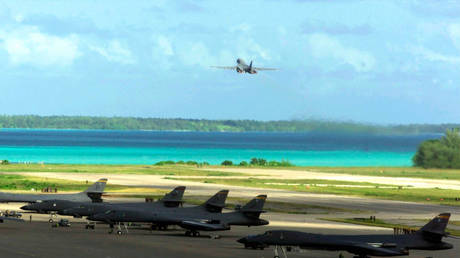
The Monday deadline has passed, and the United States Navy is officially moving to choke off Iranian ports. Following the collapse of ceasefire talks in Pakistan this past weekend, President Trump didn't waste time. He ordered a full-scale naval blockade to stop any ship that’s paid a toll to Tehran or is hauling Iranian cargo.
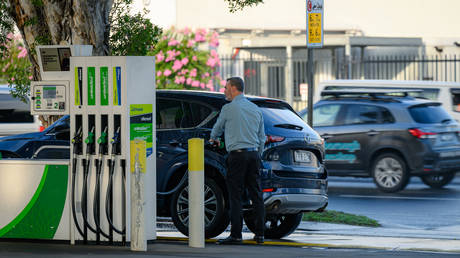
If you think this is just a far-off military skirmish, look at your local gas station's marquee. Oil prices just punched through the $100-a-barrel ceiling again. This isn't just about "sending a message" to Tehran. It's an economic earthquake that hits every American who drives a car or buys groceries.
The Strategy Behind the Blockade
Trump’s logic is simple: hit them where it hurts. By blockading the Strait of Hormuz, the U.S. aims to vaporize Iran's remaining cash flow. Since the war kicked off on February 28, 2026, Iran has been trying to play traffic cop in the Strait, charging "tolls" to global shipping. The U.S. Navy is now the new bouncer at the door, and they aren't letting anyone through who has done business with the IRGC.
This move is a "calibrated pressure" play. It’s less messy than a full-scale ground invasion but more aggressive than just wagging a finger at the UN. The goal is to force Iran back to the table by making their oil—and their access to the world—worthless.
The Pros of the Blockade
- Cutting Off the Money: Iran relies on oil and "protection fees" from the Strait to fund its military. A blockade is a financial noose.
- Choking China's Supply: China is a massive buyer of Iranian oil. By stopping these shipments, Trump is indirectly forcing Beijing to choose between supporting Tehran and keeping their own economy stable.
- Avoiding a Long Ground War: Blockades are a way to exert massive power without putting boots on the ground in Iranian cities. It leverages the U.S. Navy's absolute dominance at sea.
- Restoring Freedom of Navigation: Officially, the U.S. claims this isn't just an attack, but a way to stop Iran from illegally taxing international waters.
The Cons and Very Real Risks
- Gas Prices Are Exploding: We’ve already seen a 50-cent jump in U.S. gas prices since February. With the blockade now active, experts at JPMorgan expect prices to stay high, potentially hitting $4 or $5 a gallon in some states.
- It’s Technically an Act of War: Under international law, blockading a sovereign nation's coast is an act of aggression. It gives Iran a legal "excuse" in the eyes of their allies to strike back with everything they’ve got.
- Asymmetric Retaliation: Iran knows they can’t win a ship-to-ship fight with an Arleigh Burke-class destroyer. Instead, they’ll use "fast attack" boats and "suicide" drones. These are cheap, hard to hit, and can sink a billion-dollar ship if they get lucky.
- The Insurance Nightmare: This is the part nobody talks about. Marine insurers like Lloyd’s of London have already spiked "war risk" premiums by 500%. Even if the U.S. Navy says a route is safe, many commercial tankers won't sail if they can't get insurance.
What Happens to the Global Economy
The world's energy supply is a delicate web. About 20% of the world’s petroleum flows through that tiny 21-mile-wide neck of water. When the U.S. Navy starts seizing ships, the "risk premium" on every barrel of oil goes through the roof.
We’re seeing the "stagflation" word pop up in reports again. That’s the nasty combo of zero economic growth and high inflation. The UN warned today that over 32 million people could be pushed into poverty because of the ripple effects of this war. It’s not just about the Middle East; it’s about the cost of shipping a container from Shanghai to New York.
The Military Reality on the Water
Trump recently boasted on social media that the Iranian Navy is basically at the bottom of the sea—citing 158 ships destroyed. But the real threat isn't their big ships. It's the "mosquito fleet" of small, fast-moving boats.
The U.S. Central Command (CENTCOM) is currently using two destroyers to clear mines. These mines are the real deal-breakers. They're cheap, they're old, and they don't care if you're a military ship or a civilian tanker. Until the Navy can guarantee a "clean" path, the blockade is as much about clearing the water as it is about blocking the ports.
Your Next Steps
- Watch the $100 Mark: If Brent crude stays above $100 for more than two weeks, expect domestic gas prices to stay high through the summer.
- Audit Your Supply Chain: If you run a business that relies on imported goods, check your shipping routes. Anything coming through the Gulf or near the Suez is going to face delays and "war surcharges."
- Monitor the Insurance Market: Keep an eye on updates from the U.S. International Development Finance Corporation (DFC). They’re trying to backstop insurance for tankers, but if they fail, the oil flow stops regardless of what the Navy does.
The blockade is a high-stakes poker game. Trump is betting that Iran will fold before the American consumer runs out of patience with $5 gas. It’s a gamble that could either end the war or set the entire region on fire.