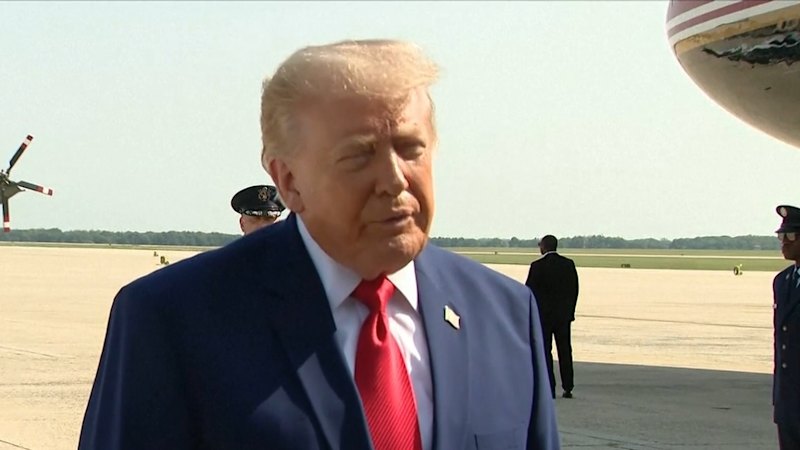
President Donald Trump just drew another line in the sand with Tehran, and this one takes direct aim at civilian infrastructure. On Wednesday, Trump declared a strict tit-for-tat doctrine: every single time Iran fires at a ship in the Strait of Hormuz, American forces will bomb and destroy one bridge or power plant inside Iran, including targets right in the capital city of Tehran.
That is a radical shift in rules of engagement. For weeks, the military exchange stayed mostly confined to military hangars, missile launchers, and air defense units across the Gulf. Now, Trump is placing Iran's power grid and transit hubs directly in the crosshairs.
If you're watching global markets right now, you know why this matters. Brent crude spiked past $95 a barrel immediately following the announcement, hitting its highest point in six weeks. Traders aren't just worried about disrupted tanker traffic anymore—they're pricing in a total economic gridlock across West Asia.
The One for One Strategy in the Strait
The mechanics of this new warning are starkly simple. Iran uses drones, rockets, or missiles against commercial shipping, and the Pentagon wipes out a piece of essential Iranian infrastructure.
It sounds like a straightforward deterrent on paper. Put the direct cost of economic disruption on Tehran's own domestic utilities. If Iranian forces make the Strait of Hormuz impassable for global oil, their own citizens lose electricity and transportation.
"From this point forward, any time the Islamic Republic of Iran shoots at a ship in the Strait of Hormuz... the United States will bomb and destroy ONE BRIDGE OR POWER PLANT," Trump stated directly.
Here's why this approach carries massive risk. Deterrence only works if the other side fears the cost more than they value the disruption. Iranian officials responded within hours. Iranian Foreign Minister Abbas Araghchi made it clear that any attack on Iranian infrastructure would compel an immediate retaliatory blow against regional targets, warning that "no infrastructure will be safe" across the broader Middle East.
Instead of backing down, Tehran is expanding the target list. That escalatory loop is exactly what energy markets fear most.
Pickaxe Mountain and the Nuclear Shadow
This bridge-for-ship threat comes right on the heels of another major escalation over Iran's nuclear capabilities. Just a day prior, Trump pointed to suspicions that Iran moved sensitive nuclear equipment into a deeply fortified underground site at Kolang Kouh, often referred to as Pickaxe Mountain.
Washington already claimed to have heavily damaged sites like Natanz and Fordow in earlier strikes. Yet Pickaxe Mountain sits buried beneath hundreds of feet of solid rock. Iranian officials insist the location holds no nuclear activity and accuse Washington of inventing pretexts for aggression.
Whether or not the facility holds nuclear components, the messaging from Washington is unambiguous. US Central Command has kept up continuous nightly strikes on Iranian military hubs. Adding targets like Pickaxe Mountain and urban power plants means the conflict is rapidly shedding its previous boundaries.
What High Energy Prices Mean for You
You don't need to be a geopolitical analyst to feel the fallout of this conflict. Oil prices drive almost everything in the consumer economy, from gas at the pump to freight shipping costs for basic groceries.
When the Strait of Hormuz gets choked off, roughly twenty percent of the world's daily petroleum supply gets stuck in a bottleneck. Even though the US produces a lot of its own crude, oil is a globally traded commodity. When global supply drops, prices rise everywhere.
- Gasoline spikes: Benchmark crude jumping to $95 means higher retail fuel prices heading right into autumn.
- Inflation pressures: Higher transport costs trickle directly into retail goods, making central bank rate cuts much harder to pull off.
- Supply chain delays: Shippers are already rerouting vessels away from dangerous chokepoints like the Bab al-Mandab and the Strait of Hormuz, adding days or weeks to transit schedules.
Analyst projections from major financial institutions like Goldman Sachs warn that if traffic through Hormuz remains severely restricted through the end of the year, crude could easily push past $120 a barrel.
How to Prepare for the Impact
When national security threats turn into economic headwinds, waiting around isn't a strategy. You can take concrete steps right now to protect your personal finances from energy volatility.
First, lock in fixed transport and fuel costs where you can. If you run a business dependent on freight or delivery, evaluate your contracts and consider hedging energy expenses before retail prices jump further.
Second, re-examine your investment portfolio. High energy prices usually hit consumer discretionary stocks and transportation companies hardest, while energy producers and defense contractors tend to gain ground.
Finally, track central bank policy closely. Persistent energy inflation forces monetary authorities to keep interest rates elevated for longer. If you're planning to refinance a loan or take on big debt, account for borrowing costs staying high well into the coming year.