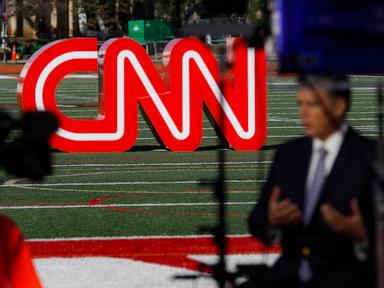
A federal judge has extended an order blocking President Donald Trump from banning CNN, MS NOW, and Politico reporters from the White House grounds. That ruling keeps access open for 78 journalists across the three outlets while the broader legal fight plays out.
Honestly, this fight isn't just about press credentials or bruised egos in the briefing room. It's a tug-of-war over whether a president can punish news outlets for coverage he dislikes—and where the courthouse door swings open or shuts on press access. For a closer look into this area, we suggest: this related article.
Let's be real: presidents have complained about reporters since the beginning of the republic. What's different here is the bluntness of revoking passes after critical coverage and how quickly a federal judge stepped in to freeze that move.
What the Ruling Actually Does for Reporters
U.S. District Judge Timothy Kelly—whom Trump nominated in 2017—issued the extended order blocking the White House from enforcing the ban against CNN, MS NOW, and Politico journalists. Under the order, reporters from those three news organizations keep their White House grounds access while litigation continues. To get more details on this issue, in-depth analysis can also be found at The New York Times.
The ruling covers 78 reporters across the three newsrooms. Kelly also rejected the government's request to pause his own ruling while an appeal is pursued.
Still, the victory comes with real boundaries. Kelly's order did not resolve whether the administration can bar those outlets from the rotating broadcast pool that covers the president in tight quarters and shares footage with other networks. Nor does it settle every smaller battle over tight spaces like Air Force One or the Oval Office, where access rules and appellate rulings have been contested separately.
Why the Judge Sided Against the Ban
In court, the administration argued that White House access is a privilege rather than a right and that the president gets to decide who enters. Justice Department lawyer Michael Velchik contended that the ban wasn't viewpoint discrimination and pointed out that Trump had criticized other outlets—such as calling ABC "the worst"—without banning them.
Judge Kelly wasn't buying the national security rationale. In his ruling, he expressed skepticism that safeguarding national security actually motivated the revocation of the reporters' hard passes or was advanced by it, noting that national security wasn't the initial focus when the dispute erupted.
He also zeroed in on standards. If the government is going to revoke a press pass, the rules for conduct have to be clear—not tied to vague complaints about objectionable reporting.
At the same time, Kelly made sure his ruling wasn't read as a blank check for sloppy journalism or a shield against legitimate security rules. He wrote that no one should take the decision to mean the president's concerns about accuracy and fairness are unfounded, or that the government lacks power when genuinely protecting classified information or national security.
"The harm this ban did to our clients, the First Amendment, and the public as a whole is profound. The Court was right to enjoin the White House from enforcing this 'unconstitutional ban on the free press' for the foreseeable future." — Theodore Boutrous Jr., attorney for CNN, MS NOW, and Politico
👉 See also: The Friendly Takeover of Havana
The Bigger Standoff Behind the Scenes
If you watch Washington closely, you know press access disputes rarely stay neat. In September 2026, after the ban was announced and Secret Service officers moved to confiscate credentials, TV networks even suspended White House pool coverage in solidarity before things shifted back and forth in court and on the ground.
Other news organizations have felt the squeeze too. The Associated Press previously sued over restrictions tied to the Oval Office and Air Force One, where a federal appeals court allowed limits on subset spaces while leaving the underlying merits to be sorted out later. Meanwhile, news groups including the AP filed an amicus brief backing immediate restoration of access for CNN, MS NOW, and Politico.
And this press-pass clash sits inside a much wider legal campaign. Outside the White House gates, Trump has pursued massive defamation lawsuits against major media companies and publishers, turning clashes over coverage into multi-front courtroom battles.
Common Misconceptions About White House Press Access
People tend to view press access through two extremes. One side acts like any reporter has an automatic constitutional right to walk into the West Wing whenever they want. The other acts like the White House can kick out any critic on a whim.
Neither extreme captures how this actually works.
- A press pass isn't a free pass anywhere: Having grounds access is different from getting a seat in the Oval Office or a spot on Air Force One. Courts have drawn distinctions between general White House grounds and tight, pooled spaces where only a small subset of reporters can fit.
- Security rules still matter: A judge blocking a ban based on critical coverage doesn't erase security vetting or rules meant to protect classified information. The dispute turns on why access is pulled and whether the standards are fair and clear.
- A temporary or extended order isn't the final word: Court orders blocking a ban keep reporters working today, yet appeals and merits rulings can reshape the rules months down the road.
What to Watch Next—and How to Follow It Smartly
Watch two tracks from here: appellate challenges over executive authority and disputes over pool, Oval Office, and Air Force One access. Even when grounds access stays open, tight-quarters access often becomes the next battleground.
If you want to keep up without getting swept into partisan spin, read primary court filings and wire reports from outlets like AP News alongside coverage from CBS News and PBS News. Compare what the judge actually wrote against what politicians or cable hosts claim the ruling means. That habit alone saves you from half the noise in Washington.
Judge indefinitely reverses White House media ban
This video covers the court's decision blocking the White House media ban and why the dispute over press access matters.


