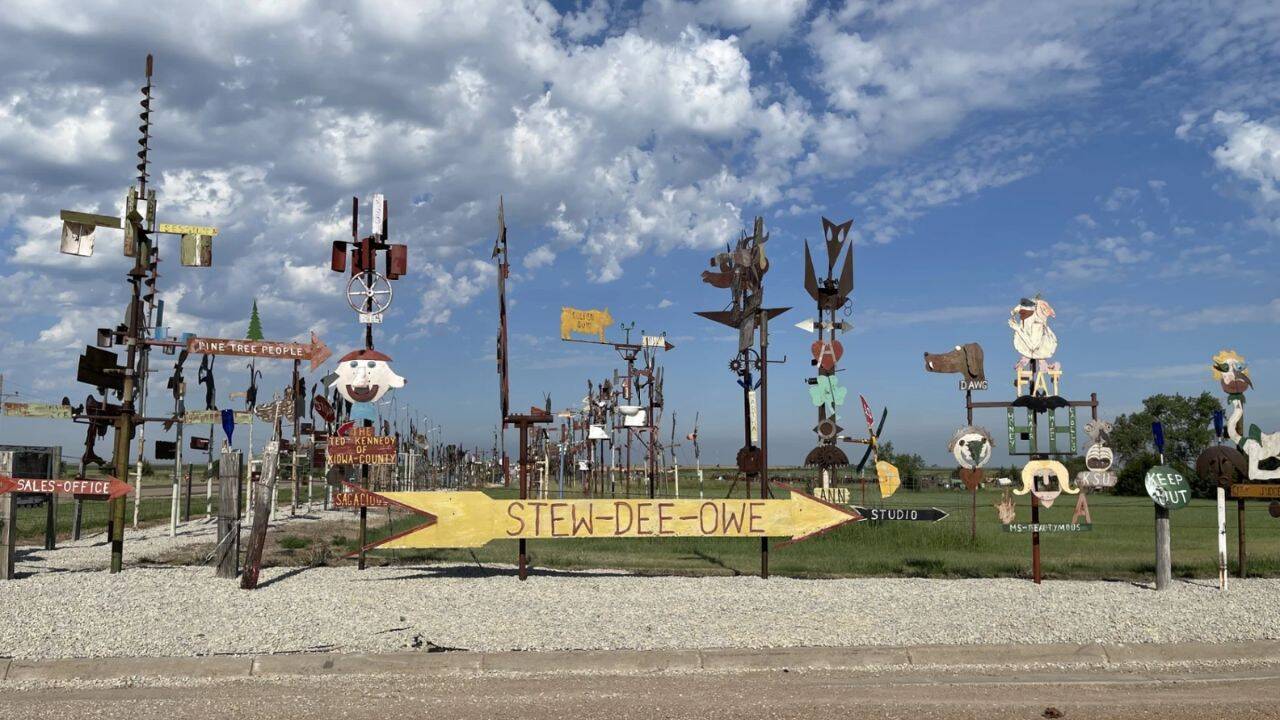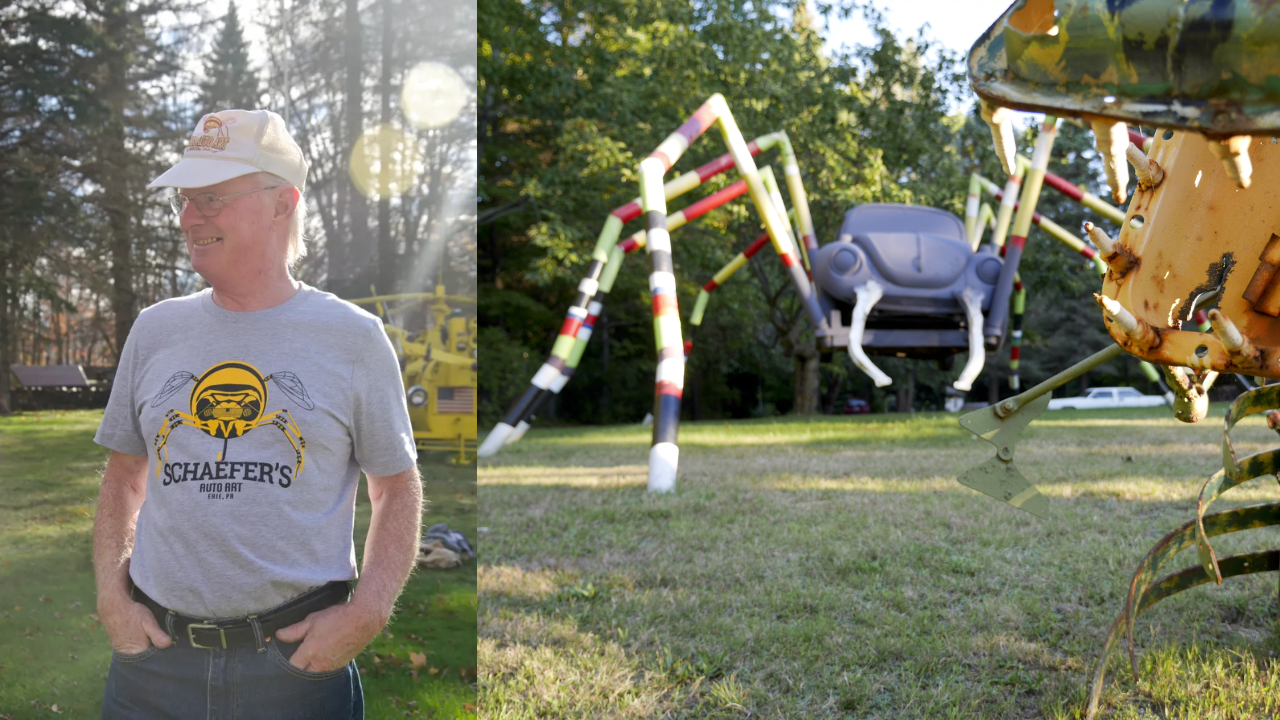
Everybody loves a feel-good story about a Pennsylvania retiree spending his golden years welding transmission casings into giant steel eagles. Local news outlets eat it up. Social media algorithms pump the video to millions of people who click the heart icon, sigh with fleeting satisfaction, and scroll away to watch someone bake sourdough bread.
It is easy to romanticize the local eccentric welding car scraps in a dusty driveway. It feels authentic. It feels like an antidote to mass production, plastic waste, and soulless corporate efficiency. Meanwhile, you can explore related developments here: Why Home Renovations Destroy Relationships and How to Stop It.
It is also an economic and aesthetic disaster disguised as grassroots creativity.
I have spent twenty years consulting on urban design, municipal zoning, and property value economics across the Rust Belt. I have watched neighborhoods celebrate whimsical yard art while their tax bases dry up and property values stall out for a generation. To explore the complete picture, we recommend the detailed article by Vogue.
We need to stop praising junk sculpture as community enrichment. Here is why the entire premise of the scrappy backyard welder is a trap, and why romanticizing rust is ruining our towns.
The Myth of Organic Neighborhood Character
The core argument in favor of giant yard sculptures made from old catalytic converters and leaf springs rests on a faulty assumption: that visual chaos equals authenticity.
The standard narrative claims that a twenty-foot metal dinosaur built out of Ford Pinto hoods injects personality into a sterile suburb. Proponents argue it breaks the monotony of cookie-cutter homes and brings a sense of unique identity to a zip code.
This is pure romanticism.
Visual coherence drives real estate appreciation and community investment. When an owner litters their front lawn with jagged industrial debris, municipal planners call it spot blight. Economists call it a negative externality. Every homeowner within a three-block radius pays the price for one person's uncurbed artistic ambitions through depressed property valuations.
A study from the real estate analytics firm HouseCanary demonstrates that homes adjacent to unmaintained or cluttered yards suffer an immediate valuation penalty averaging between six and eleven percent. That is not personality. That is a wealth tax imposed on your neighbors without their consent.
When we applaud the guy down the street for assembling a rust-bucket stegosaurus, we are signaling that community standards do not matter. We are lowering the baseline for civic pride.
The Craftsmanship Fallacy
Let us talk about the metalwork itself.
Real industrial sculpture requires metallurgy, structural engineering, weight distribution calculations, and corrosion management. What happens in most suburban driveways involves a stick welder, a prayer, and a heavy coat of exterior spray paint that begins peeling within eighteen months.
We confuse effort with excellence. Spending three hundred hours assembling old lawnmower blades into a wind chime does not make it art; it makes it a hazardous waste collection site with structural integrity issues.
Over time, exposed carbon steel left to the elements in Pennsylvania winters turns into an iron oxide hazard. Rainwater pools in welded hollows, creating prime breeding grounds for mosquitoes and leaking rust stains across concrete driveways and storm drains.
Real artists understand material longevity. They understand that public art interacts with public space in ways that demand responsibility. Throwing scrap metal together because it is free does not challenge the art world. It just avoids the cost of proper materials.
The Zoning Blind Spot and Municipal Cowardice
Why do local governments allow this? Fear of bad press.
Code enforcement officers know that citing an affable sixty-year-old man for piling fifty transmission housings against his garage wall triggers a local news crew with a microphone. Town councils fold immediately. They do not want to look like heartless bureaucrats crushing a local folk artist's soul.
This cowardice creates a dangerous double standard. If a local contractor stores commercial building materials in their front yard for three weeks, they face daily fines for zoning violations. But if an amateur welder welds those same materials into a lopsided giraffe, it gets protected under cultural expression.
Municipalities have a duty to maintain baseline standards of public safety and environmental health. Old car parts carry residual motor oil, transmission fluid, brake fluid, and lead-based paints. Leaving these components exposed to weathering leaches heavy metals and hydrocarbons into the surrounding soil and local water tables.
We obsess over stormwater management regulations for commercial developers while turning a blind eye to backyard heavy metal scrap yards masquerading as folk galleries.
What People Also Ask
Are yard sculptures made from car parts legal?
Usually, they skate through a legal gray area defined by lax code enforcement rather than actual legality. Most local zoning boards classify them under nuisance laws or property maintenance codes, but officials routinely back down to avoid public relations disasters.
Does recycled art actually help the environment?
Not when it sits rusting on suburban topsoil. True recycling involves smelting, refining, and manufacturing closed-loop products. Leaving a discarded carburetor outside to oxidize in the rain is not recycling; it is outdoor storage with artistic pretensions.
How does outdoor metal art affect property values?
Negatively. While unique landscaping features like stone patios or professional gardens boost equity, unmanaged scrap metal installations introduce visual clutter that signals neighborhood decline to prospective buyers.
The Path Forward
If you want to support local creators, buy their work when it is housed in a gallery, a designated community art park, or an industrial studio zoned for production. If you want to celebrate recycling, fund municipal industrial recycling programs that turn old steel back into structural rebar through high-temperature electric arc furnaces.
Stop encouraging people to turn their front yards into open-air salvage yards just because it makes for a cute local human-interest segment on a Tuesday morning broadcast.
Real community revitalization requires rigor, cleanliness, and mutual respect for your neighbors' sightlines and property values.
Unbolt the stegosaurus, clean up the oil stains, and put your scrap metal where it belongs.