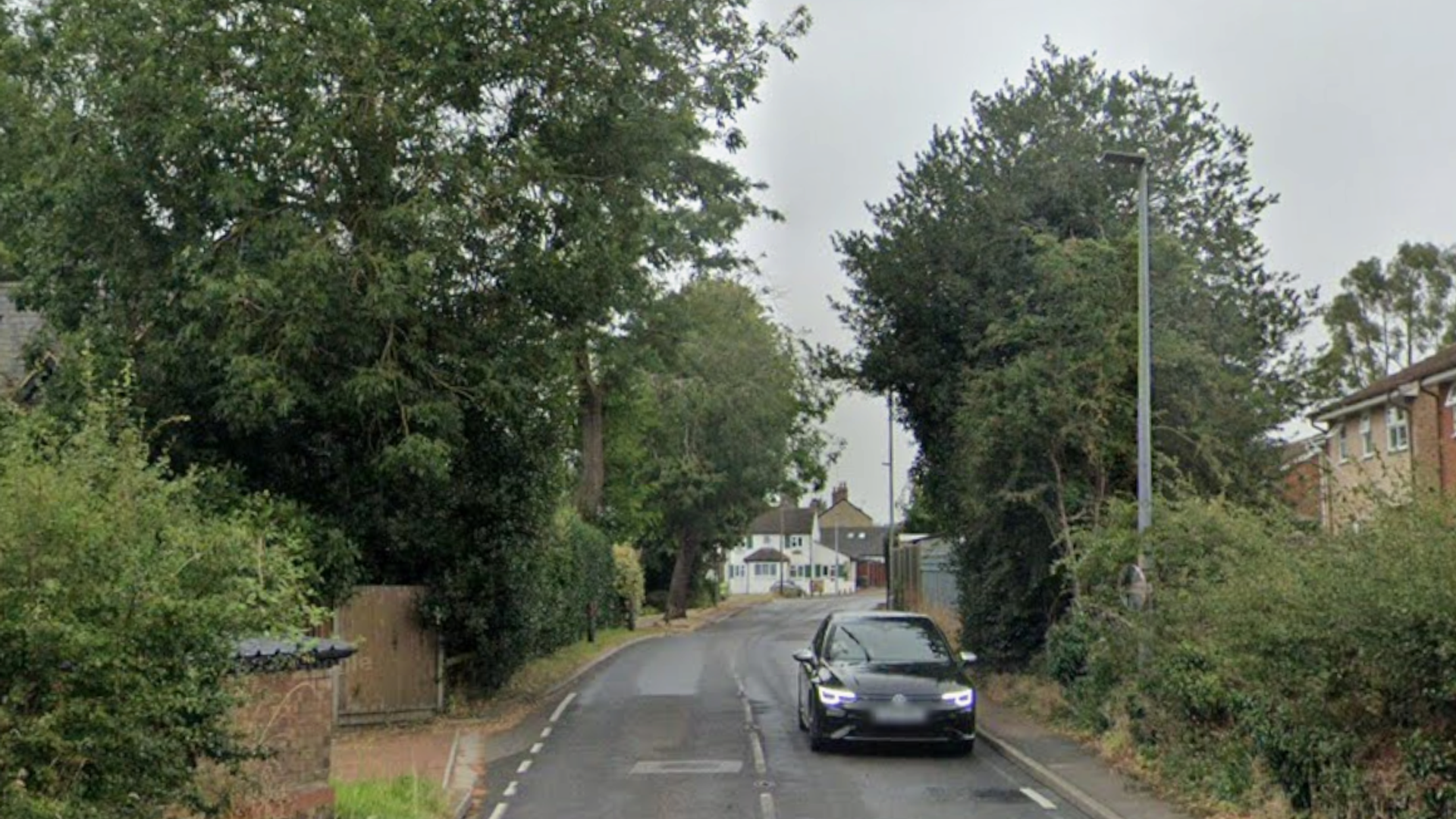
A quiet neighborhood turned into a crime scene overnight. A teenage boy is dead, and two people are in police custody following a devastating vehicle collision that has left a community reeling. This isn't just another traffic statistic. It's a life cut short and a family shattered by circumstances that investigators are still trying to piece together. When a young person dies under these conditions, the shockwaves go far beyond the asphalt.
Police confirmed the arrests shortly after the incident occurred. Emergency services rushed to the location, but they couldn't save the boy. He was pronounced dead at the scene. It's the kind of news no parent should ever receive. The details coming out of the investigation suggest a chaotic scene. Witnesses described a loud impact followed by the frantic arrival of sirens.
The immediate police response and arrests
Officers didn't waste time. Based on evidence gathered at the site and initial witness statements, they identified two individuals believed to be involved in the crash. These suspects were taken into custody almost immediately. This quick action is a priority for law enforcement in fatal collisions, especially when there's a suspicion of criminal negligence or dangerous driving.
They haven't released the names of the suspects yet. That's standard. They need to formalize charges and ensure the integrity of the ongoing investigation. We know the arrests were made on suspicion of driving offenses related to the fatality. The focus now shifts to the mechanical state of the vehicles, the speed at the time of impact, and whether substances played a role.
Understanding the legal gravity of fatal road incidents
When someone dies on the road and arrests follow, the legal stakes are as high as they get. Prosecutors will look at various charges depending on what the forensics reveal. This isn't just about a "car accident." If there's evidence of racing, extreme speed, or impairment, the charges move into the territory of vehicular manslaughter or causing death by dangerous driving.
The legal system handles these cases with extreme scrutiny. Forensic collision investigators spend days, sometimes weeks, mapping out skid marks and analyzing electronic data from the cars. They want to know exactly what happened in the five seconds before the impact. You can't hide from the data stored in a modern car's "black box" or the GPS coordinates from a smartphone.
A community in mourning for a lost life
The victim was just a teenager. He had his whole life ahead of him. School friends and neighbors have already started leaving flowers near the site of the crash. It's a somber reminder of how quickly things change. Road safety isn't just a talking point for local councils; it's a matter of life and death for the people walking these streets every day.
Local residents have often complained about traffic in this area. Some say it was only a matter of time before something like this happened. Whether those complaints were ignored or addressed is something that will likely come up in the town hall meetings following this tragedy. People are angry. They want answers, and they want to know that the streets are safe for their own children.
What happens during a forensic collision investigation
Most people don't realize how complex these investigations are. It’s not just about taking a few photos and towing the cars away. Specialist teams use 3D laser scanning to create a digital model of the crash site. They look at the weather conditions, the lighting, and even the texture of the road surface.
Every detail matters.
Was a brake light out?
Did a tire blow?
Was there a distraction inside the cabin?
They'll also check local CCTV and doorbell cameras. In 2026, it's almost impossible to move through a residential area without being captured on digital film. This footage is often the "smoking gun" that proves who was at fault. If the suspects were driving erratically before the crash, the cameras will show it.
The impact on the families involved
It's easy to focus on the arrests and the legal drama, but we shouldn't forget the human element. The victim's family is going through unimaginable pain. They have to plan a funeral for a child. On the other side, the families of those arrested are seeing their lives upended. One split-second decision behind the wheel can destroy multiple families at once.
Support services are usually offered to those affected by such traumatic events. Victim support groups and grief counselors play a huge role in the aftermath. The trauma isn't just physical; it's a mental weight that stays with the survivors and the witnesses forever.
How to stay safe and what to do if you witness a crash
You never think it'll happen to you until it does. If you're ever the first on the scene of a serious collision, your actions in the first sixty seconds are vital.
- Call emergency services immediately and give a precise location.
- Don't move injured people unless there's an immediate threat of fire.
- Try to keep the victims calm and talking until the paramedics arrive.
- If you saw what happened, stay put. Your statement is the most valuable thing you can give to the police.
Witnesses often feel a sense of guilt or shock, but providing a clear, honest account helps ensure justice is served. If you have dashcam footage, don't delete it. Even if you think you didn't see anything important, the background of your video might contain the evidence the police need to build their case.
Moving forward after the tragedy
The road will eventually reopen. The glass will be swept away. But the impact of this teenager’s death won't fade. The two individuals in custody face a long road through the justice system. For the community, this serves as a brutal wake-up call about the responsibilities of driving. A car is a heavy machine, and in the wrong hands, it’s a weapon.
Expect more police presence in the area over the coming weeks. They'll likely be conducting speed checks and monitoring traffic more closely to prevent a repeat of this tragedy. If you have any information regarding the incident, contact the local precinct immediately. Every bit of data helps the family get the closure they deserve.
Check your own dashcam files if you were in the vicinity between 10:00 PM and midnight. Even a fleeting glimpse of the vehicles involved could be the missing piece of the puzzle. Reach out to the non-emergency police line to submit any digital evidence you might have. Your contribution could be the key to a successful prosecution.