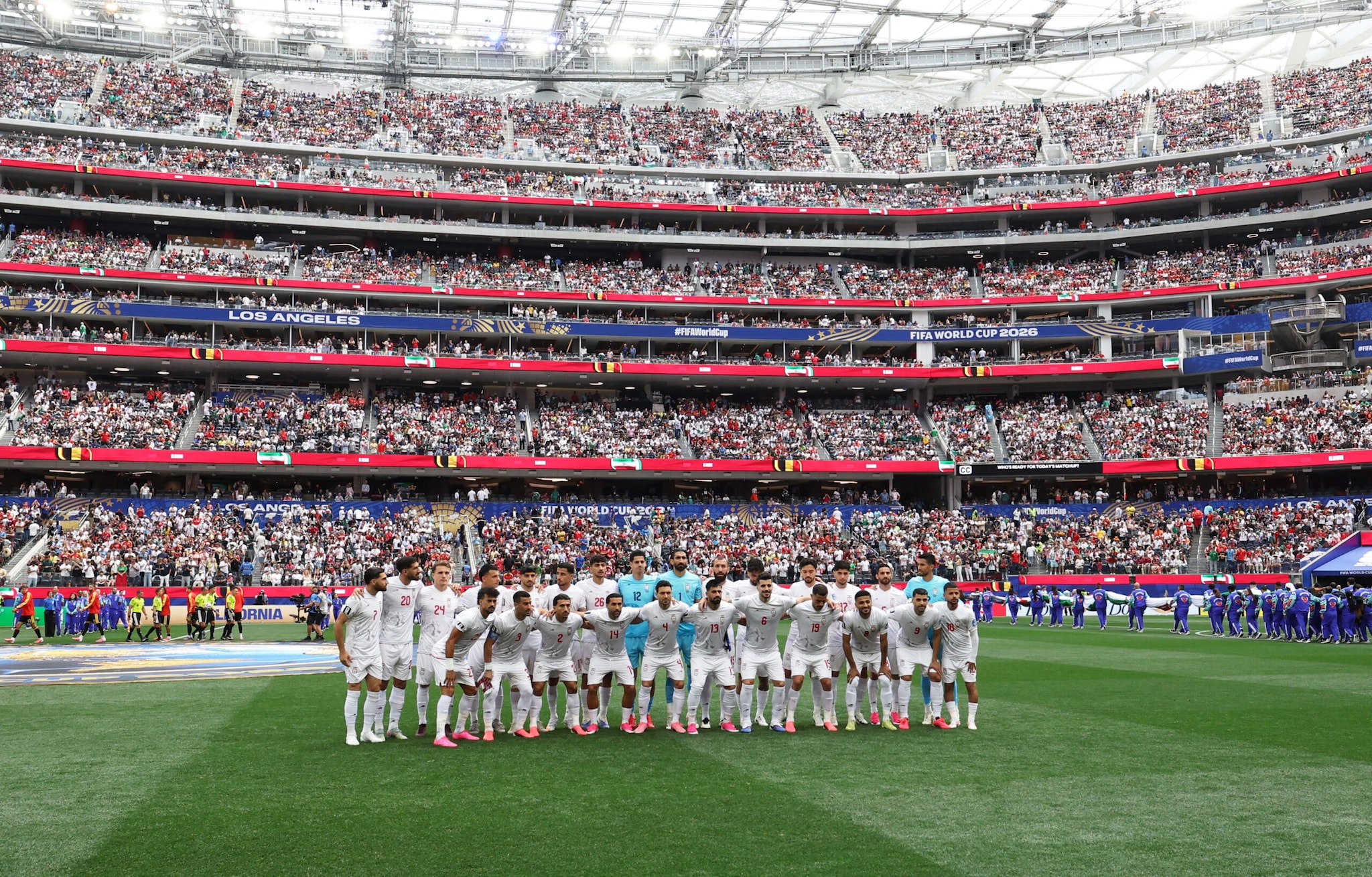
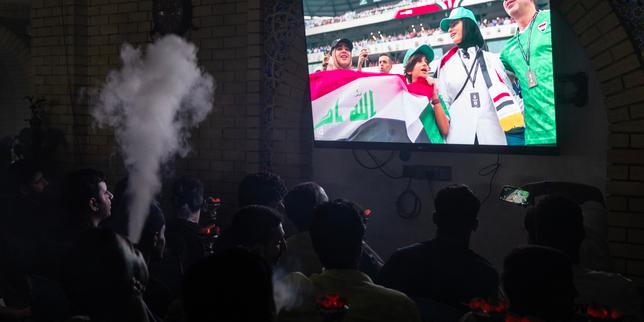
The rain did not just fall. It assaulted the stadium.
Within minutes, the immaculate green pitch vanished beneath a sheet of standing water, turning a multi-million-dollar sporting event into an unpredictable swamp. Lightning ripped across the sky, a jagged reminder that nature holds the ultimate veto power over human ambition. The referee looked at the sky, looked at the flooded turf, and blew the whistle. Delay.
For two hours, everything stopped.
In the grand calculus of international sports reporting, a weather delay is usually a footnote. A line or two at the bottom of a box score explaining why a match ended closer to midnight than prime time. But if you only look at the final scoreline—France wins, Iraq falls—you miss the entire point of what happened during those one hundred and twenty minutes of forced purgatory. You miss the psychological warfare of the locker room, the fraying nerves of tens of thousands of fans trapped in the concourses, and the invisible stakes that make a simple game feel like a matter of life and death.
Football at this level is a hyper-calibrated machine. Players don't just show up and run; their bodies are tuned to a strict chronological schedule. Warm-up ends at exactly 7:45. Intense hydration concludes at 7:52. The anthem plays at 7:57. Kickoff is a hard 8:00.
When a storm shatters that timeline, it does something dangerous to an athlete’s mind. The adrenaline that was supposed to be spent on the pitch begins to curdle in the blood.
Consider the French squad. They entered the stadium as heavy favorites, carrying the immense weight of a nation that views second place as a tragedy. For them, a two-hour delay is an invitation to overthink. Every minor ache in a hamstring starts to feel like a looming tear. The mind drifts to the critics waiting at home, pens sharpened, ready to turn an unexpected draw into a national crisis. The locker room becomes a pressure cooker of silence.
Then consider Iraq. For a team arriving on the global stage under the banner of defiance, playing against a footballing superpower is already an uphill battle. But a delay? A delay is an equalizer. It forces the giant to sit in his own anxiety. It gives the underdog time to look across the tunnel, see the sweat on the favorite's brow, and realize that even giants bleed when the weather turns foul.
Out in the concourses, the human drama was no less intense.
Imagine standing shoulder-to-shoulder with thousands of strangers, soaked to the skin, wrapped in plastic ponchos that do nothing to keep out the chill. The initial excitement evaporates, replaced by the damp, heavy scent of wet wool and stadium beer. This is where the true test of fandom occurs. It is easy to cheer when the goals are flowing and the sun is shining. It is entirely different to stand in a concrete corridor for two hours, watching the radar on your phone, wondering if you should abandon your expensive ticket and catch the last train home.
Yet, a strange alchemy happens in those moments. The tribalism of the sport begins to soften. French fans, wrapped in the tricolor, found themselves sharing dry patches of concrete with Iraqi supporters. Voices that were meant to clash in partisan chants instead joined together in a collective groan every time a fresh crack of thunder echoed through the stadium. The delay became a shared hardship, a secular liturgy of waiting.
When the skies finally cleared and the water was pushed from the grass, the game that emerged was not the one anyone had prepared for.
Tactics go out the window when the ball won't roll straight. A pristine passing game, honed through months of meticulous training camps, is useless when a three-yard pass stops dead in a puddle. The match became primordial. It was about brute strength, lung capacity, and the sheer willingness to slide through mud to win a fifty-fifty ball.
France ultimately found the breakthrough. It wasn't a beautiful, symphonic team goal of the sort that populates highlight reels. It was a ugly, scrambling affair—a ball won through friction, a deflected shot, a desperate lunging header that defied the slick surface. It was a goal born of survival rather than artistry.
When the final whistle blew, well past the time the stadium lights were scheduled to dim, the celebration from the French players was telling. There were no arrogant displays, no choreographed dances. Several players simply dropped to their knees on the wet grass, staring at the sky in profound relief. They had won the match, yes, but more importantly, they had won the war against their own impatience.
The Iraqi players walked off with their heads held high, applauded by both sides of the stadium. They had pushed a titan to the absolute brink, using a literal tempest as their shield.
We live in an era that demands instant gratification, where sports are consumed in ten-second clips and automated push notifications. But the greatest stories are written in the margins, in the dead air where nothing is supposed to be happening. The two-hour storm didn't ruin the match. It revealed it. It stripped away the corporate sheen of modern athletics and left behind something raw, shivering, and undeniably human.
The stadium empty, the puddles reflecting the midnight moon, the silence left behind felt louder than any roar.