Ink dries on a contract in a room far away, smelling faintly of cold coffee and old paper. Thousands of miles from the shouting matches of parliaments, a shipping manifest moves from one bureaucratic desk to another. To anyone passing by, it looks like administrative routine. A signature here. A stamp there. Cargo containers loading onto a freighter. But every shipment carries a weight heavier than iron, and sometimes, the paper trail is the only thing standing between a political career and absolute ruin.
Consider what happens when a single transaction starts to bleed into the light.
Estonia. A nation where pine forests stretch endlessly toward cold Baltic skies, and where political survival depends on absolute, unyielding transparency. For a small country guarding its borders with anxious vigilance, defense isn't just a budget line item. It is an existential heartbeat. Every bullet procured, every artillery shell stockpiled, is bought with public trust as much as public funds. When that trust cracks, the shockwaves do not rumble; they shatter.
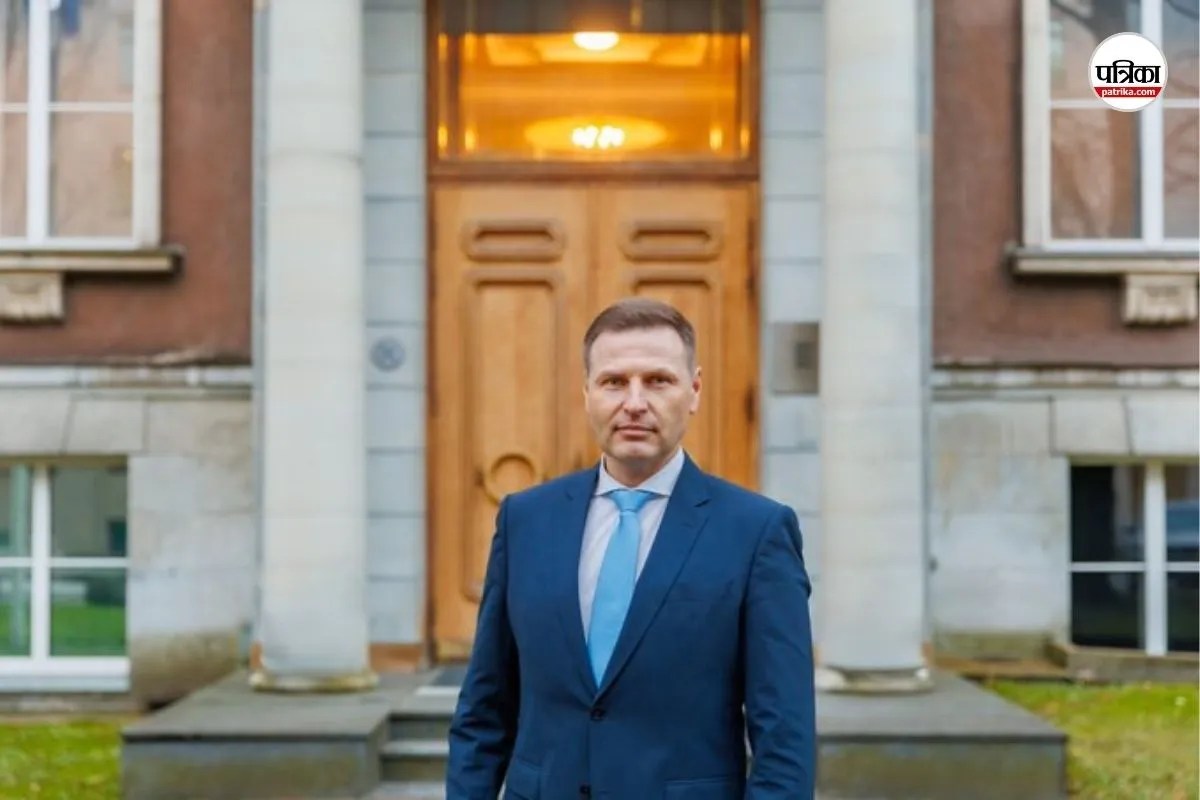
The defense minister stepped down. No dramatic shouting match in the chamber. No defiant refusal to budge from a leather chair. Just a quiet acknowledgment that the line had been crossed, that the shadow of an Indian ammunition deal had grown too large to ignore.
Bureaucracy moves in silence until it crushes someone.
Imagine standing in a high-ceilinged office in Tallinn as the winter wind rattles the glass. You are looking at a ledger involving millions of euros, third-party brokers, and an Indian supply chain that promised modern hardware for a fragile continent. On paper, everything looks compliant. The stamps are real. The corporate entities check out. But beneath the surface veneer of international defense trade lies a labyrinth of intermediaries, middlemen whose primary skill is making origins blurry and transactions opaque.
Public office demands a strange kind of loneliness. You must manage fear, supply chains, geopolitical threats, and the restless eyes of a press that smells blood in the water long before the first drop hits the floor. When questions arose about the ammunition procurement channels—specifically involving ties to an Indian manufacturing network—the defense minister did not point fingers immediately. He did what politicians do when cornered by complexity: he tried to manage the narrative.
That fails. It always fails.
Trust is fragile glass. Once fractured, no amount of ministerial spin can glue it back together without the cracks showing. The procurement deal was supposed to bolster defenses at a time when Europe watches every movement to the east with bated breath. Instead, it became a liability. Questions mounted about the chain of custody, the pricing transparency, and the whisper-quiet web of intermediaries who profit off the margins of global conflict.
In the world of international arms dealing, daylight is the enemy. Contracts are often negotiated in whispers because states fear vulnerability. If you announce your supply lines too loudly, adversaries adapt. If you hide them too well, your own citizens suspect corruption. It is a razor-thin tightrope walk. Slip to one side, and you are defenseless. Slip to the other, and you are corrupt.
The Estonian minister slipped.
Public anger in a democracy is rarely about the money alone. It is about the betrayal of the small compromise. A citizen paying taxes in Tartu or Pärnu expects that every euro spent on security goes directly toward defending freedom, not padding the accounts of brokers whose names nobody knows. When a defense procurement pipeline connects a Baltic state to an unexpected manufacturing hub in South Asia via convoluted channels, the immediate reaction is suspicion. Why there? Who benefits? What was hidden in the footnotes of the annex?
Answers did not come fast enough. Explanations felt heavy with evasion. And so, the inevitable arrived.
Resignation is rarely an admission of direct guilt; more often, it is a desperate tactical retreat to save the institution from drowning with the individual. By stepping down, the minister offered himself up as a political sacrifice to stanch the bleeding. The government needed to prove that accountability still mattered, that no title is grand enough to shield a leader from the demand for absolute clarity.
Yet the questions linger long after the office is vacated and the personal belongings are packed into a cardboard box.
What happens to the ammunition? Does the supply line hold, or does political fallout paralyze military readiness when it is needed most? These are the ironies of modern governance. To protect a country from external threats, you must engage with the messy, transactional underworld of global manufacturing. You have to deal with brokers who operate in grey zones, nations that play both sides, and logistics networks that span hemispheres.
We forget that behind every geopolitical headline is a human being sitting at a desk, staring at a pen, realizing that the compromise they thought was minor has just consumed their entire life's work.
The office is empty now. The desk is cleared of family photos and secure phones. Outside, the Baltic wind continues to blow, indifferent to political scandals, unconcerned with who signs the manifests or who pays the price. The deal may or may not move forward under new stewardship, but the lesson remains carved into the marble of the ministry. Power is rented, never owned. And the moment you forget that the public is watching the ledger, the ledger becomes your undoing.