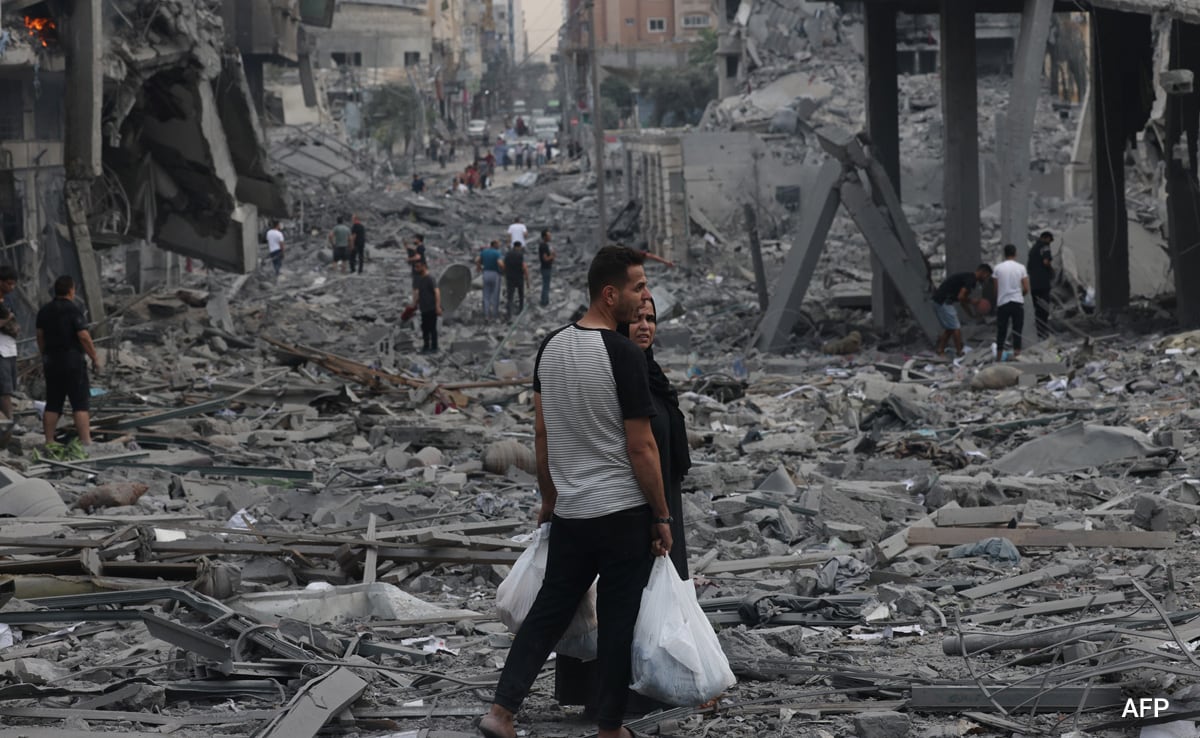
The US military is finally pulling the plug on its flagship Gaza mission, and frankly, it’s about time. According to recent reports, the Civil-Military Coordination Centre (CMCC) in Israel—the nerve center for President Trump’s ambitious but struggling Gaza plan—is set to shut down soon. While officials are trying to frame this as an "overhaul" or a transition to an international force, let's call it what it is: a quiet exit from a strategy that couldn't survive the reality on the ground.
If you’ve been following the news, you know this wasn't just about moving boxes of food. It was a massive logistical and diplomatic gamble meant to oversee a shaky ceasefire and jumpstart rebuilding. Instead, it became a front-row seat to a deteriorating situation where aid levels stayed stagnant and the "truce" existed mostly on paper. Also making headlines in this space: Trump Claims Iran Nuclear Threat Would Shatter Europe and Middle East While Pledging No Early Exit.
The predictable collapse of the CMCC
The CMCC was supposed to be the bridge between military security and humanitarian relief. The idea was to have US personnel, alongside international allies, coordinating with Israel to ensure aid actually reached the 2.4 million people trapped in the Gaza Strip. But you can't coordinate aid when the infrastructure is being pulverized and the political will isn't there.
Diplomats familiar with the situation say the center lacked the real authority to enforce anything. It was basically a high-stakes office building with no teeth. As Israel seized more territory and Hamas dug in, the CMCC’s relevance faded into the background. Some partner countries got so disillusioned they only sent representatives once a month. When your "international coalition" starts treating the mission like a chore they can skip, you know the end is near. Further details regarding the matter are detailed by Reuters.
From 190 troops to 40
The numbers tell the real story of this retreat. The plan involves handing over responsibilities to a rebranded "International Stabilization Force" (ISF). On paper, that sounds like a step up. In reality, the US troop presence is expected to crater from 190 personnel down to just 40.
The administration is hoping other countries will fill the gap with civilian staff. Good luck with that. Most allies are already uneasy about the joint US-Israeli military actions elsewhere in the region. Asking them to send civilians into a zone where even the US military is scaling back is a tough sell. It feels less like a strategic handoff and more like a "you deal with it" move.
Why the aid isn't moving
You might wonder why, with all this military might, people in Gaza are still queuing for hours at charity kitchens. The bottleneck isn't just the lack of a pier or a coordination center; it's the systematic blocking of "dual-use" items.
- Tent poles: Denied because they could be used for something else.
- Heavy machinery: Blocked, even though it's needed to clear the literal mountains of rubble.
- Basic electronics: Frequently stopped at the border.
The CMCC was meant to solve these logistical nightmares. Instead, it sat by while commercial goods entered the strip but actual humanitarian relief stayed stuck in the mud. The "Board of Peace" set up to oversee this policy says Gaza needs a "sustainable civilian administration." That’s a nice sentiment, but you can't build a government in a graveyard.
Lessons from the $230 million pier disaster
We should have seen this coming after the floating pier fiasco. Remember that? A $230 million project that operated for all of 20 days before being dismantled because the Mediterranean Sea was too "choppy." It was a metaphor for the entire US approach to Gaza aid: expensive, technologically impressive, and totally disconnected from the environment it was meant to serve.
The US military's Joint Logistics Over-the-Shore (JLOTS) capability is incredible for invading a beach, but it's remarkably bad at sustained humanitarian relief in a war zone without local cooperation. We spent millions to deliver what amounted to a few days' worth of truckloads, all while the land crossings—the only thing that actually works—remained throttled.
What happens next
Don't expect a big "Mission Accomplished" banner or even a formal admission of failure. The CMCC will likely be rebranded as the "International Gaza Support Centre" and tucked away under the command of Major General Jasper Jeffers. The goal now is to minimize US liability and footprint while pretending the plan is still on track.
If you're looking for the "actionable takeaway" here, it's this: maritime and military-led "solutions" are no substitute for open land borders and genuine political leverage. For those watching the humanitarian crisis, the closure of this mission means the burden is shifting even further onto underfunded NGOs and local charities who don't have the luxury of a 40-man security detail.
The US is stepping back, the international community is hesitant, and the people in Bureij camp are still waiting for a meal that doesn't come from a charity kitchen. The mission isn't just closing; it's being erased.