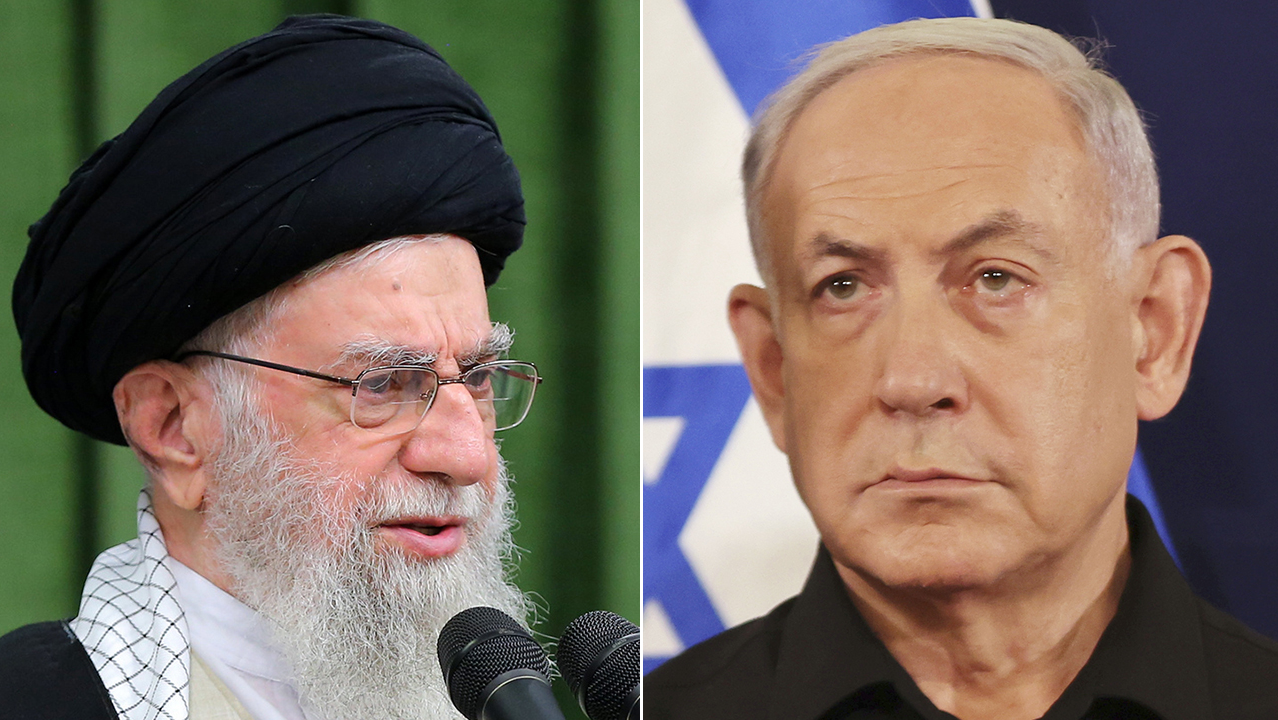
The media is currently hyperventilating over "uncertainty." Pundits are staring at maps of the Persian Gulf, sweating over whether a ceasefire between Washington and Tehran will hold. They call it a fragile window for diplomacy. They treat it like a pause before a reset.
They are dead wrong. Don't miss our previous coverage on this related article.
This isn't a pause. It is a permanent state of managed friction designed to keep both regimes relevant while the rest of the world bleeds out. If you are waiting for a "grand bargain" or a return to the 2015 nuclear deal (JCPOA) framework, you aren't just optimistic; you’re ignoring the mechanics of modern geopolitics. The "uncertainty" everyone is crying about is actually the most predictable outcome of the last twenty years.
The Myth of the Escalation Ladder
Mainstream analysis relies on the "escalation ladder"—the idea that if A happens, B follows, leading inevitably to war. Because both sides want to avoid war, the logic goes, they will eventually climb down and sign a treaty. If you want more about the history of this, NBC News offers an excellent breakdown.
I’ve spent years watching these back-channel negotiations crumble. The ladder doesn't exist. What we have is a circular treadmill.
Tehran uses its proxies—the "Axis of Resistance"—not to start a war, but to maintain a specific level of regional heat. Washington uses sanctions not to collapse the regime, but to keep Iran in a box without having to commit boots to the ground. This ceasefire isn't a step toward peace; it is a recalibration of the thermostat. Both sides need the threat of the other to justify domestic crackdowns and bloated defense budgets.
Peace would actually be a disaster for the hardliners in the IRGC and the hawks in DC. If the "Great Satan" is no longer a threat, how does the Khamenei regime justify its economic failures? If Iran is no longer a "clear and present danger," how does the US military-industrial complex justify its massive footprint in CentCom?
Why Sanctions Are Now Toothless
The competitor narrative suggests that "increased pressure" will force Iran back to the table. This is a 2012 mindset applied to a 2026 reality.
The effectiveness of US sanctions relies on the hegemony of the dollar and the compliance of global banks. That ship has sailed. Iran has spent a decade perfecting the "resistance economy." They don't need SWIFT. They have:
- The Ghost Fleet: A massive, shadow network of tankers moving oil to China under the radar of Western maritime tracking.
- Barter Hegemony: Trading raw materials for finished goods with BRICS+ partners, bypassing the dollar entirely.
- Local Currency Swaps: Dealing in Yuan and Rubles, which renders US Treasury Department memos effectively useless.
When you see a ceasefire, don't think "peace talks." Think "logistics break." Iran is using the lull to repair its domestic energy infrastructure, while the US is trying to figure out how to pivot to the South China Sea without leaving the Middle East completely wide open.
The Proxy Paradox
Everyone asks: "Can Iran control its proxies during a ceasefire?"
This is the wrong question. It assumes the Houthis, Hezbollah, and Kata'ib Hezbollah are puppets with strings. They aren't. They are franchisees.
Tehran provides the brand and the tech (drones and missiles), but the local actors have their own agendas. A ceasefire between the US and Iran often means nothing to a Houthi commander who wants to control the Bab el-Mandeb strait. In fact, Tehran often uses this "lack of control" as a diplomatic shield. They get to reap the benefits of regional chaos while claiming "plausible deniability" at the negotiating table.
If you think a signature in Geneva stops a drone strike in the Red Sea, you don't understand how decentralized warfare works. The US is negotiating with a ghost, and the ghost has no intention of haunting fewer houses.
The Nuclear "Sunk Cost"
We need to stop talking about "breakout time." The technical knowledge required to build a nuclear device is already inside the heads of Iranian scientists. You can't sanction a brain. You can't bomb a mathematical formula.
The IAEA inspectors are chasing shadows. Even if Iran agrees to a freeze, they have already achieved threshold status. They are the Japan of the Middle East—capable of assembling a weapon in weeks if they choose, but savvy enough to stay just below the line of "imminent threat."
The current ceasefire acknowledges this reality without admitting it. The US has effectively accepted a nuclear-capable Iran. Every headline about "preventing a bomb" is just theater for the voters back home. The deal is already done; we’re just haggling over the price of the curtain.
The Economic Reality No One Admits
The real driver of this ceasefire isn't diplomacy. It's exhaustion.
- US Debt: With interest payments on the national debt eclipsing the defense budget, Washington cannot afford another multi-trillion dollar "forever war."
- Iranian Unrest: The "Woman, Life, Freedom" movement didn't topple the regime, but it terrified it. Tehran needs the oil money to flow back into social subsidies to prevent a total internal collapse.
This isn't a meeting of minds. It’s a meeting of two exhausted boxers leaning on each other so neither one falls down. It’s ugly, it’s cynical, and it’s the only way either side survives.
The Actionable Truth for Global Markets
If you are an investor or a policy analyst, stop waiting for the "big announcement."
- Volatility is the Feature, Not the Bug: Expect "accidental" escalations. They are part of the negotiation process.
- Energy Diversification is Mandatory: The Strait of Hormuz will never be "safe" again. The ceasefire is a truce, not a clearing of the mines.
- Ignore the State Department Briefings: Watch the shipping data in the South China Sea and the currency movements in Beijing. That is where the US-Iran relationship is actually being arbitrated.
The world wants a clean ending. A handshake on a lawn. A signed parchment.
But history isn't clean. We are entering an era of "Permanent Grey Zone Conflict." The ceasefire is just a change in the rules of engagement, not an end to the game.
Stop looking for what’s next. You’re already living in it. This is the new normal: a world where no one wins, no one loses, and the tension is the only thing we can rely on.
The uncertainty isn't the problem. The illusion of a solution is.