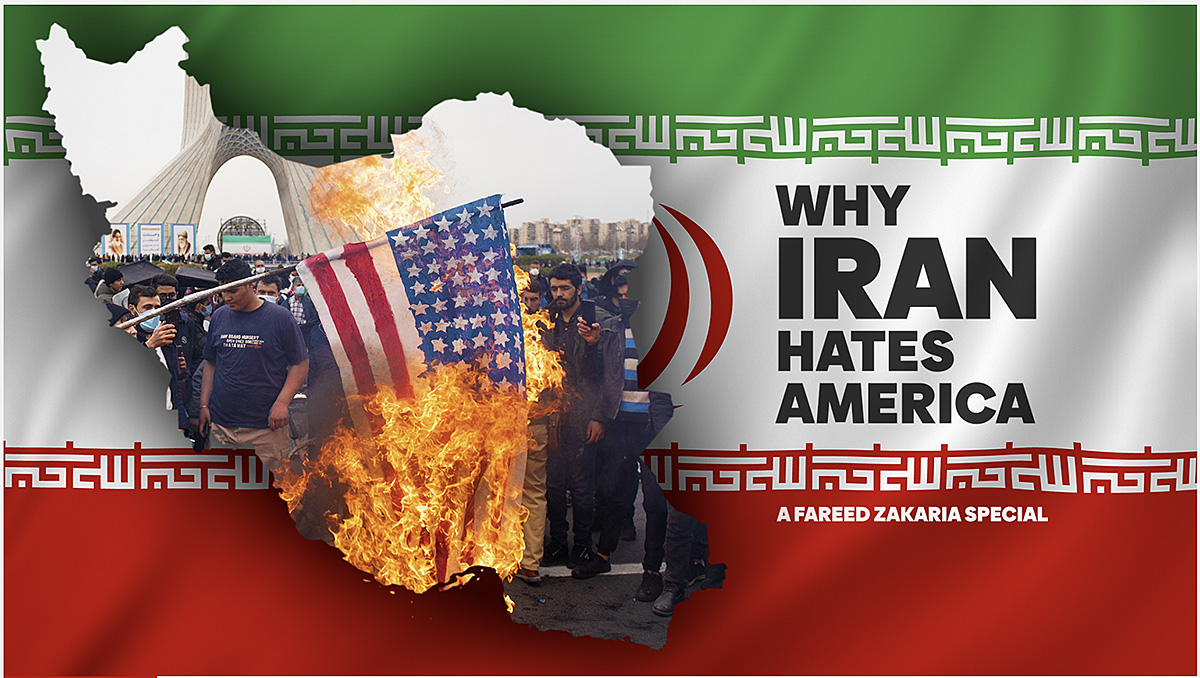
The headlines make it look like we’re on the brink of a massive, coordinated war every other week. You see drone strikes in Jordan, naval skirmishes in the Red Sea, and fiery speeches from Tehran. It’s chaotic. But if you strip away the cable news hysteria, the reason the US is attacking Iranian-linked targets isn't about a single event. It’s about a decades-long chess match that just turned incredibly violent.
Let’s be clear. The US isn't currently launching a full-scale invasion of Iran. Instead, the military is playing a high-stakes game of "whack-a-mole" against a massive network of proxies. These groups—the Houthis in Yemen, Kata'ib Hezbollah in Iraq, and various militias in Syria—are funded, trained, and directed by Tehran. When these groups kill American soldiers or choke off global trade, the US feels it has to hit back to keep from looking weak.
It’s a cycle of "calibrated pressure." The US wants to hurt Iran’s ability to cause trouble without starting World War III. Iran wants to push the US out of the Middle East without getting its own cities bombed. Both sides are walking a tightrope that's fraying fast.
The Proxy Problem and the Axis of Resistance
To understand why the US is dropping bombs, you have to understand the "Axis of Resistance." This is Iran’s primary foreign policy tool. They know they can’t win a traditional dogfight against the US Air Force. Their jets are ancient. Their navy is mostly small speedboats. So, they fight dirty and they fight indirectly.
By using proxies, Iran gets "plausible deniability." When a drone hits a US base in Jordan, Iran says, "We didn't do it, that was an independent local group." Nobody believes them, but it creates a legal and political grey zone. The US is attacking these groups now because that deniability has worn thin. After the deaths of three US service members at Tower 22 in early 2024, the political cost of doing nothing became higher than the risk of hitting back.
The US strategy right now focuses on two main goals. First, stopping the bleeding at its own bases. Second, keeping the Suez Canal open. The Houthis in Yemen have basically taken the global shipping industry hostage. By firing Iranian-made missiles at commercial tankers, they’ve forced major companies to sail all the way around Africa. That makes your gas and your Amazon packages more expensive. The US strikes in Yemen are a direct attempt to stop that economic bleeding.
Deterrence is Easier Said Than Done
The word "deterrence" gets thrown around a lot in Washington. The idea is simple: hit them hard enough that they’re too scared to do it again. But in the Middle East, deterrence works differently.
For the leaders in Tehran, American strikes can actually be a recruitment tool. If the US hits a warehouse in Iraq, the local militia gets to claim they’re "martyrs" fighting the "Great Satan." It builds their brand. This is why the US strikes have been so surgical. They aren't trying to flatten Baghdad; they're trying to take out the specific guys who know how to put together a suicide drone.
Experts from the Council on Foreign Relations and the Atlantic Council often point out that Iran's ultimate goal is a US withdrawal from the region. Every time a US base gets hit, the Iranian leadership hopes the American public will get tired of the "forever wars" and demand the troops come home. The US attacks are a way of saying, "We aren't leaving, and if you keep pushing, the cost will keep going up."
The Nuclear Elephant in the Room
While the current fighting is about drones and missiles, the background noise is always the nuclear program. Since the US pulled out of the JCPOA (the Iran Nuclear Deal) in 2018, Iran has ramped up its uranium enrichment. They’re closer to a bomb now than they’ve ever been.
The US military strikes serve as a secondary warning. By showing they can penetrate Iranian-aligned air defenses in Syria and Iraq, the US is reminding Iran that their nuclear facilities aren't untouchable. It’s a violent form of diplomacy.
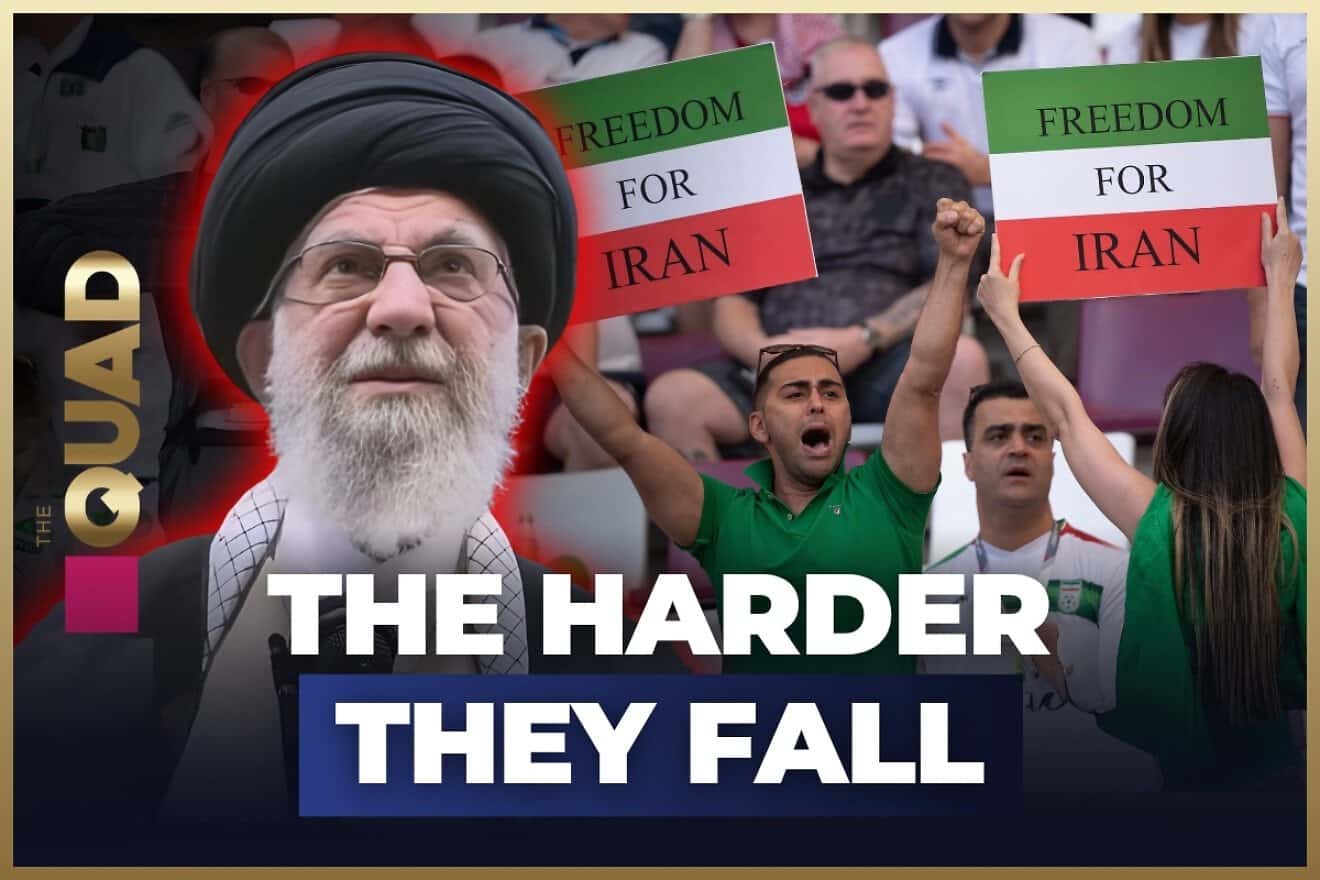
There's also the internal pressure within Iran. The regime faces massive protests and a tanking economy. Sometimes, a government that's failing at home looks for a fight abroad to distract its people. The US has to navigate this carefully. If they hit Iran too hard, they might accidentally unite the Iranian people behind a regime they actually hate.
What This Means for Global Stability
This isn't just a "Middle East problem." It affects everything. When the US and Iran trade blows, oil markets freak out. If the Strait of Hormuz—a narrow waterway where 20% of the world's oil passes—gets blocked, the global economy hits a wall.
Russia and China are also watching. Russia loves this conflict because it distracts the US from Ukraine. China is annoyed because they need that Middle Eastern oil to keep their factories running. The US is trying to balance all these interests while essentially fighting a shadow war against a country it isn't "officially" at war with.
The complexity is staggering. You have religious ideologies, 40 years of bad blood, and the literal lifeblood of the global economy all clashing in one desert. There’s no easy "off-ramp" here because neither side can afford to look like they’ve backed down first.
Navigating the Noise
If you want to keep track of where this is going, stop looking at the angry tweets and start looking at the logistics. Watch the shipping lanes. If insurance rates for tankers in the Red Sea start to drop, the US strikes are working. If a militia group in Iraq goes quiet for a month, deterrence is holding.
You should also keep an eye on the diplomatic backchannels. Historically, the US and Iran use countries like Oman or Switzerland to talk to each other when they’re busy shooting at each other. Those quiet conversations usually determine when the "attacking" phase ends and the "simmering" phase begins.
The most important thing to remember is that this is a conflict of choice for both sides. Iran chooses to fund the proxies; the US chooses to retaliate. As long as those choices keep leaning toward escalation, the cycle continues.
To stay informed, monitor real-time maritime tracking data and official Pentagon briefings rather than reactionary social media accounts. Check the "Long War Journal" for detailed breakdowns of militia movements and "Centcom" updates for verified strike results. Understanding the geography of the "Axis of Resistance" is the first step to seeing through the fog of this conflict. Follow the movement of the USS Eisenhower and other carrier strike groups, as their position usually signals the next phase of US involvement.