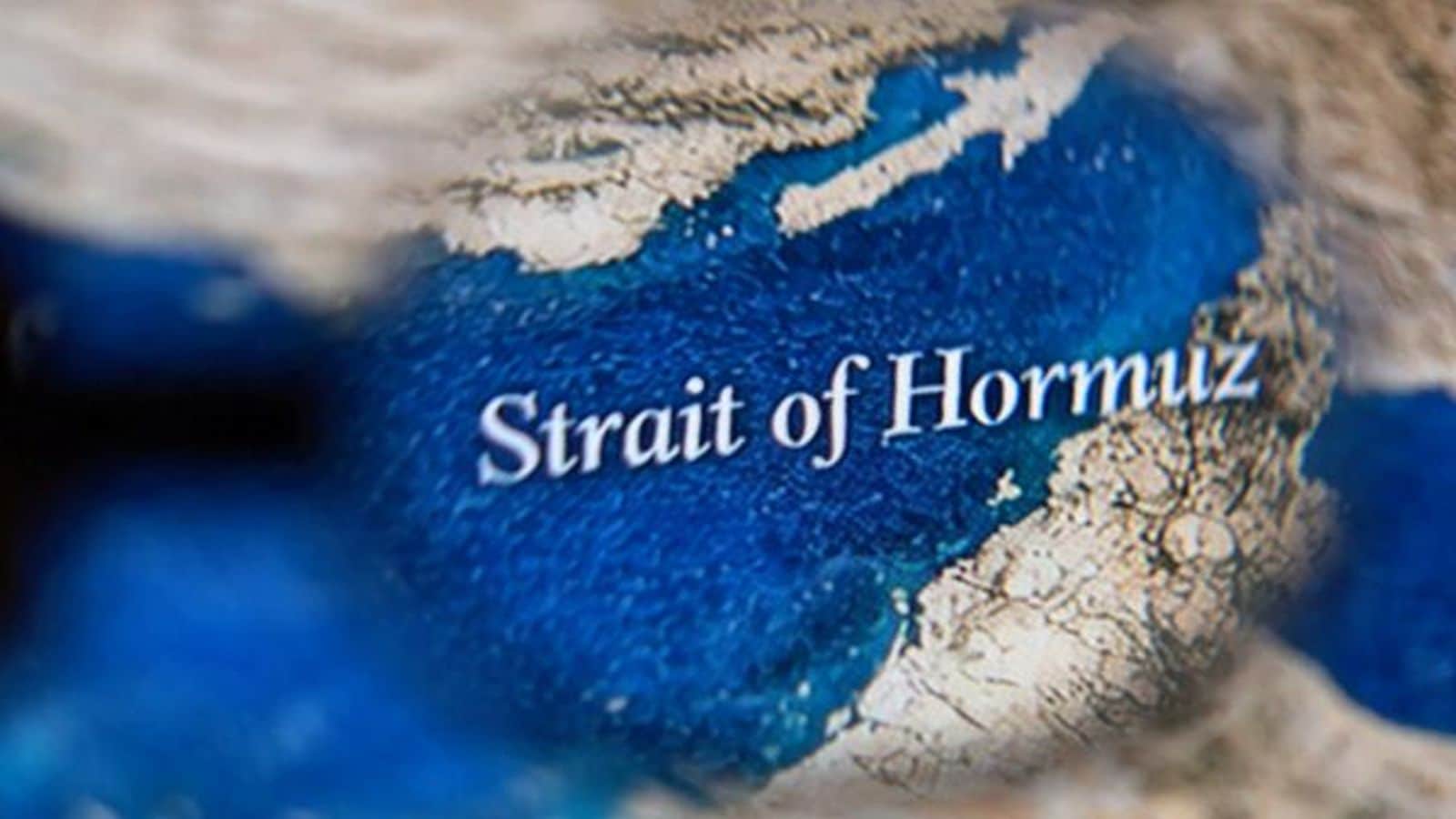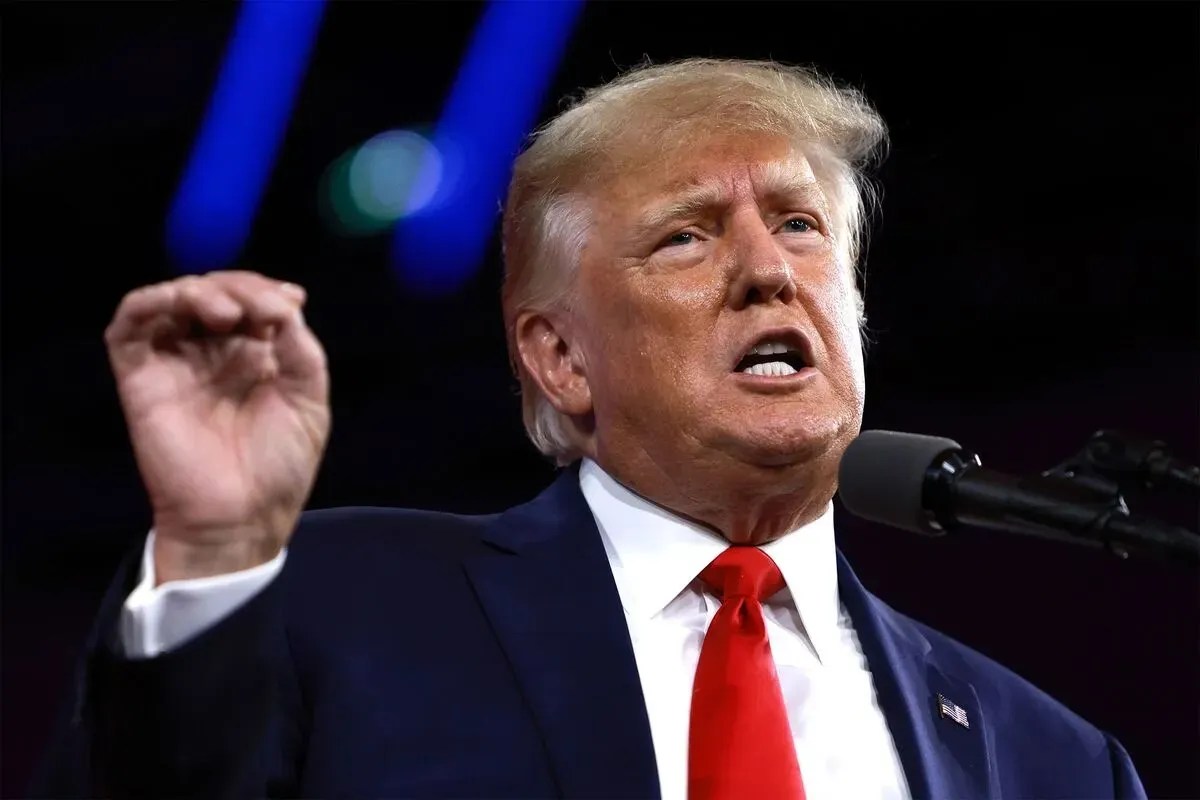
The fragile diplomatic architecture in the Middle East is cracking. Donald Trump has made it clear that Washington intends to maintain strict naval dominance over the Strait of Hormuz, pushing geopolitical friction to an intense new high as a critical 60-day memorandum of understanding hits its hard deadline. If you've been watching global energy markets sweat, you already know why this chokepoint matters more than almost any other strip of water on Earth.
When the 14-point framework—often called the Islamabad Memorandum—was signed to pause months of intense hostilities, regional mediators breathed a cautious sigh of relief. That relief has completely evaporated. With the expiry of the 60-day implementation window, the underlying friction points between Washington and Tehran have snapped back into sharp focus. If you liked this article, you might want to read: this related article.
What Went Wrong With the Sixty-Day Window
Diplomatic pacts signed under extreme duress rarely survive long-term contact with reality. The agreement brokered to cool down the conflict left the most combustible issues half-resolved. Under Article 8 of that framework, Iran made commitments regarding its nuclear trajectory, and down-blending material under international supervision was discussed. Yet, enforcement mechanisms remained weak.
Real trust takes years to build and seconds to obliterate. As skirmishes resumed and commercial tankers faced mounting threats in the waterway, both sides quietly abandoned compliance. The White House pivoted back to a posture of economic strangulation and heavy naval presence, while Tehran refused to back down on its sovereign claims over maritime transit lanes. For another look on this development, see the recent update from The New York Times.
The Battle for the Strait of Hormuz
Control over the Strait of Hormuz isn't just about military posturing. Over eighty percent of the crude oil and liquefied natural gas passing out of the Persian Gulf funnels through this narrow aquatic highway, supplying vital energy to global economies, particularly across Asia.
Trump's rhetoric has been uncompromising. Asserting that American naval power has locked down the passage into a virtual wall of steel, the administration has sought to render Iranian counter-measures ineffective. On the other side, Tehran has consistently signaled its intent to levy tolls and assert localized control, using asymmetric capabilities like sea mines and fast-attack craft to disrupt trade whenever political pressure mounts.
This creates a dangerous zero-sum game. When two heavily armed adversaries claim absolute authority over the same narrow strip of water, miscalculation leads straight to kinetic conflict.
Economic Pressures and Political Timelines
Domestic politics are driving a lot of this high-stakes theater. With midterm congressional elections looming in the United States, maintaining a tough stance plays well for certain political bases, but an inflated oil market hurts consumers everywhere. Iran, grappling with severe inflation and tight financial reserves, is running out of conventional economic escape routes.
Instead of moving toward a comprehensive peace treaty, the situation has devolved into low-key containment. Washington relies on port blockades and financial surveillance to keep pressure on the Iranian economy, while avoiding an all-out ground engagement that would drain resources.
Where the Region Goes From Here
Ignore the optimistic spin coming from temporary diplomatic summits. Real stability in the Persian Gulf requires structural compromises that neither leadership currently has the appetite to make. Israel remains deeply invested in keeping military pressure on Iranian proxy networks, meaning regional flashpoints can reignite at any moment.
If you are tracking international energy costs or global trade logistics, keep a close eye on naval movements in the Gulf rather than official press releases. Watch how shipping insurers adjust risk premiums for the region. The expiration of the 60-day accord closes out a chapter of failed diplomacy, opening the door to a colder, more volatile phase of the standoff where economic endurance will dictate the final outcome.