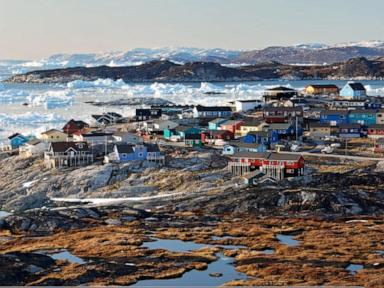
The Arctic is heating up, and it's not just the ice. A major diplomatic shift has cemented a new trilateral defense agreement between the United States, Denmark, and Greenland. If you've been wondering why everyone's suddenly talking about a massive island mostly covered in glaciers, the answer comes down to raw geopolitical muscle and strategic positioning.
For decades, the foundation of Washington's military presence on the island rested on a post-World War II accord signed back in 1951. Times
Why the US Military Agreement with Greenland and Denmark Changes Everything
news
The Arctic isn't just a frozen wasteland anymore. It's the next major geopolitical chessboard, and the US military agreement with Greenland and Denmark sits right at the center of the board.
Most people completely miss why this matters. They think it's just about cold weather deployments or distant radar stations. It isn't. Melting ice is opening up new shipping lanes that cut transit times between Asia and Europe by weeks. That means superpowers are scrambling for control, and Washington knows it can't afford to blink.
Let's look at what's actually happening on the ground.
The Strategic Real Estate Nobody Is Talking About
Location is everything. Greenland sits in a spot that commands the North Atlantic and the Arctic approaches to North America. During the Cold War, the US understood this completely. The establishment of Thule Air Base now known as Pituffik Space Base gave the military a permanent eye on ballistic missile threats.
Today, the stakes are even higher. Russia has spent years reopening Soviet-era Arctic bases and upgrading its northern fleet. Meanwhile, China has tried repeatedly to secure mining and infrastructure footholds in Greenland. They even attempted to fund local airport expansions. Copenhagen and Nuuk realized the security risks just in time, blocking those moves.
Washington stepped in with renewed diplomatic energy and defense frameworks. The goal is simple. Keep critical infrastructure secure from foreign adversaries who want a backdoor into North American defense perimeters.
Sovereignty Versus Security Realities
Balancing local governance with global defense is messy. Greenland is an autonomous territory within the Kingdom of Denmark. The government in Nuuk handles its own domestic affairs, while Copenhagen retains control over foreign policy and defense.
This creates tension. Greenlanders want self-determination and eventually full independence. They also know that hosting foreign military installations makes them a target in any major conflict.
When the US negotiates defense updates or updates military access agreements, it has to deal with a three-way dynamic.
- Washington wants unhindered operational readiness.
- Copenhagen wants to maintain its NATO obligations and shield its domestic political standing.
- Nuuk demands a real voice, economic benefits, and respect for environmental safeguards in fragile Arctic ecosystems.
You cannot treat Greenland as a silent partner anymore. Local leaders expect consultation. If you ignore local sentiment, political blowback hits fast.
What This Means for Global Supply Chains and Defense
The militarization of the Arctic isn't just about missiles. It's about commerce and resources. As polar ice retreats, vast reserves of rare earth elements, oil, and gas become accessible. Greenland holds massive deposits of critical minerals needed for electric vehicles and defense manufacturing.
Right now, Western nations rely heavily on foreign supply chains for these materials. Securing stable, allied access in the Arctic is a national security imperative.
The updated military agreements and defense cooperation frameworks lay the groundwork for joint monitoring, intelligence sharing, and infrastructure hardening. You're going to see more joint exercises, upgraded runways, and advanced deep-water port access across the region over the next few years.
If you want to track where global tensions are heading, stop looking south. Look north. The diplomatic and military chess match happening across Greenland, Denmark, and the United States will define the next decade of international security. Keep a close eye on local parliamentary elections in Nuuk and upcoming Arctic policy shifts from Washington. That is where the real story unfolds.