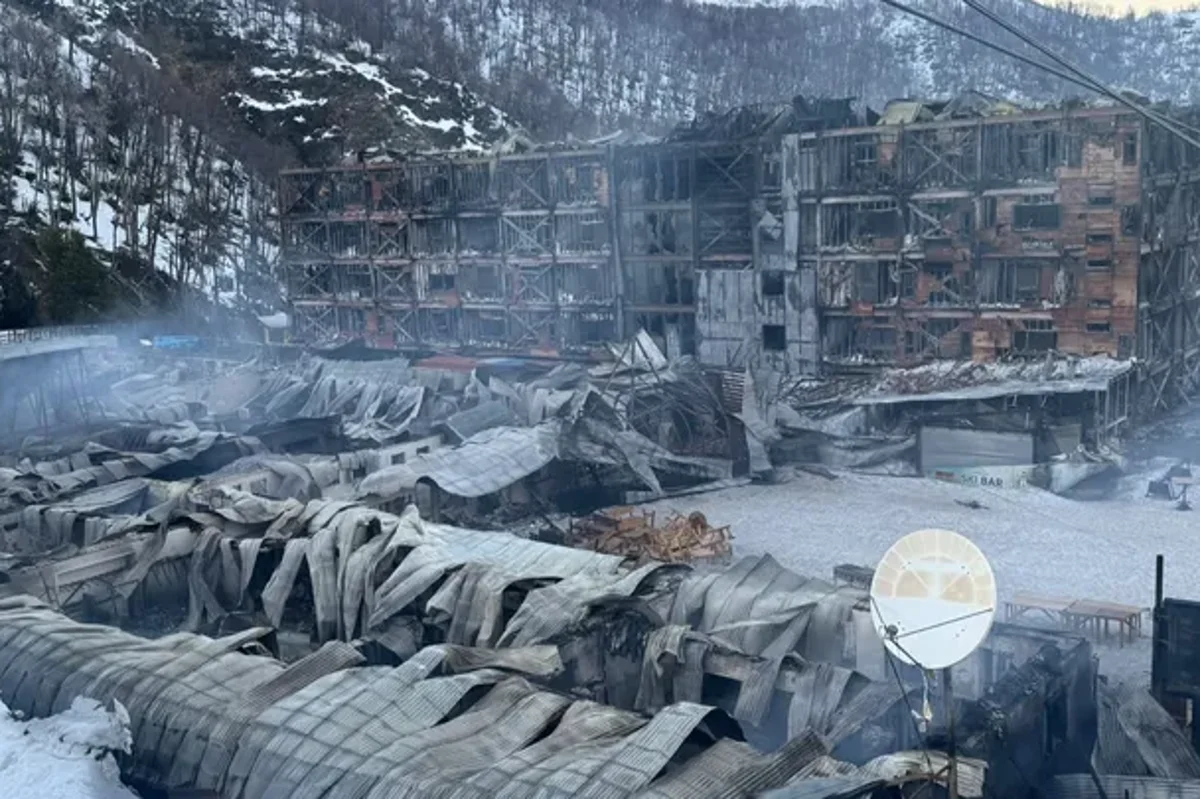
Preparation is everything in elite winter sports. Years of grueling dry-land training, thousands of hours spent carving ice, and precise equipment tuning all lead up to a few fleeting seconds on the racecourse. Imagine losing the entire arsenal right before the starting gate. That is the exact nightmare US skiers faced in South America when a massive hotel fire destroyed their race gear in Chile just days before a major competition.
Disasters happen. Elite athletes deal with broken bones, delayed flights, and lost luggage all the time. But watching your custom-molded boots, hand-tuned skis, and protective body armor turn to ash while staying at a South American training camp tests mental toughness on an entirely different level.
The Reality of Traveling with World Cup Equipment
People assume professional ski racers pack a single pair of skis and head to the mountain. The reality is heavy, expensive, and logistically exhausting. Speed skiers carry upwards of ten pairs of skis for different snow temperatures, ice conditions, and disciplines like downhill and super-G.
Each pair requires meticulous hand-tuning. Technicians spend hours scraping bases, setting precise bevel angles, and applying specific waxes based on snow humidity and air temperature.
When a sudden fire rips through a team lodging base, it is not just gear that disappears. It is months of preparation gone in minutes. Skis lose their tune, custom boots melt into useless plastic, and crucial safety gear like helmets and back protectors vanish. Replacing a single pair of elite downhill skis takes more than walking into a local retail shop. These are specialized, FIS-approved racing platforms built in small European race rooms.
How the Ski Community Rallied
Panic sets in fast when disaster strikes abroad, but the international ski community operates like a tight-knit family. Rivalries vanish the moment safety or basic competition survival comes into play.
Athletes from competing nations immediately stepped up. European brands rushed emergency shipments from factories across the Atlantic, pushing airfreight couriers to the absolute limit. Neighboring national teams offered spare boots, poles, and backup boards.
Getting replacement gear is only half the battle. Racing on a brand-new, untuned pair of downhill skis straight out of the wrapper is a recipe for disaster. Technicians worked overnight shifts in makeshift tuning rooms, grinding bases and dialing in edge angles by hand using whatever tools they could scavenge.
Lessons Learned from the Chilean Training Fire
Logistical nightmares during international training blocks expose deep vulnerabilities in how teams manage high-value assets. Elite sports organizations are re-evaluating how they store and insure critical racing equipment on the road.
Relying on a single hotel storage room for millions of dollars worth of specialized gear is a massive risk. Moving forward, teams are looking at decentralized storage strategies, heavy-duty fireproof cases, and tighter emergency backup protocols with equipment manufacturers.
You cannot control a sudden electrical fire in a remote mountain lodge. You can control how quickly you bounce back when everything goes sideways. The way those US athletes shook off the smoke, borrowed whatever boards they could find, and attacked the racecourse anyway defines what elite sport is all about.
Check your gear inventory before your next big trip. Back up your critical assets, and never underestimate the kindness of competitors when disaster strikes.