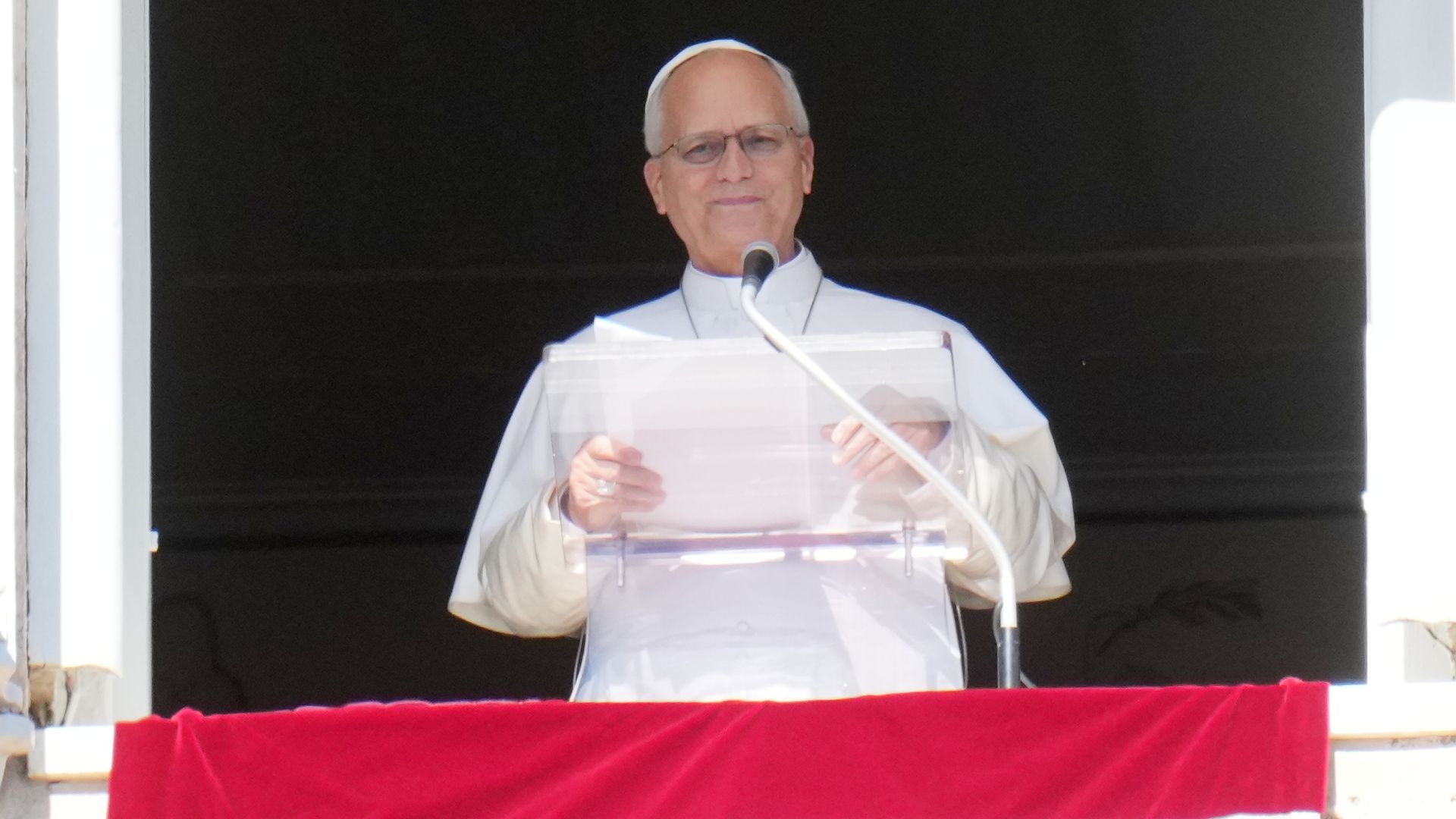
Pope Francis is scheduled to undergo a surgical procedure to remove a nodule from his lung, a medical development that has once again turned global attention toward the physical strain carried by the head of the Catholic Church. Medical bulletins from the Vatican rarely tell the whole story. Behind every routine advisory lies a complex apparatus of physicians, aides, and canon lawyers navigating the unique intersection of modern medicine and ancient office.
Respiratory health for an octogenarian in a position of relentless public exposure is no small matter. When Francis lost a portion of one lung during his youth in Argentina due to a severe respiratory infection, his baseline pulmonary capacity changed permanently. Decades later, any intervention involving lung tissue requires exceptional surgical precision and careful postoperative management. Surgeons approach such procedures with immense caution, particularly when dealing with patients who maintain a punishing international travel and public engagement schedule.
The Weight of the Office
The physical demands of the papacy defy standard retirement logic. Leaders of state step down when frail; popes traditionally carry the burden until death, though the precedent set by Benedict XVI introduced a modern alternative. Every medical intervention involving the reigning pontiff immediately sparks speculation about succession, governance, and the physical limits of spiritual leadership.
Yet, reducing a papal health crisis to political theater ignores the human reality. The lungs do not care about geopolitical significance or theological debates. They require oxygen, rest, and unimpeded function. When a nodule is detected, diagnostic protocols demand thorough investigation, regardless of whose chest it occupies. The Vatican health service works alongside specialists from Rome's Gemelli Hospital, balancing the necessity of medical transparency with the institutional instinct for discretion.
Understanding Pulmonary Nodules
A pulmonary nodule is a small mass of tissue in the lung. Most are benign, often the result of old infections, scar tissue, or benign growths. However, definitive diagnosis requires histological examination after removal. In older adults, particularly those with a history of past lung infections or diminished pulmonary reserve, monitoring or surgical excision becomes a critical decision.
Thoracic surgery has advanced significantly over the past twenty years. Minimally invasive techniques, such as video-assisted thoracoscopic surgery, allow specialists to access thoracic structures with smaller incisions, reduced trauma, and faster recovery times compared to traditional open procedures. Even with these advancements, anesthesia and recovery place significant physiological stress on an eighty-nine-year-old body.
The Institutional Machinery of the Holy See
The announcement of impending surgery triggers a well-rehearsed protocol within the Roman Curia. While pastoral duties continue, administrative gears
Inside the Vatican Medical Machine How Papal Health Becomes Global News
health, news
codes
Medical bulletins issued from the Vatican carry a weight entirely disproportionate to ordinary press releases. When health challenges affect the head of the Catholic Church, speculation invariably outpaces verified facts. The recurring cycles of public anxiety regarding papal surgeries and pulmonary interventions highlight a unique intersection of spiritual leadership, statecraft, and high-stakes medical management.
The Weight of Office
Running the Holy See requires endurance. Pope Francis, like several of his predecessors, has faced persistent respiratory complications throughout his tenure. A medical intervention involving lung tissue is never routine when performed on an octogenarian sovereign who commands a global flock of over a billion people. Every wheeze, cough, or cancellation of a public audience becomes fodder for international analysts trying to read between the lines of sparse official statements.
Historically, the Vatican has guarded medical privacy fiercely. Yet, modern communications demand transparency, creating a permanent tension between the patient's right to privacy and the public's demand for absolute disclosure. When a nodule requires surgical removal from a lung, the procedure demands specialized care, typically handled by premier medical facilities in Rome rather than the Apostolic Palace.
Navigating the Information Void
Information flow during a papal hospitalization follows a predictable script. First, an official bulletin announces a planned or urgent procedure. Next, international correspondents gather outside hospital gates, analyzing the expressions of visiting dignitaries and medical staff. Finally, brief updates from the Holy See Press Office offer technical details that often raise as many questions as they answer.
This opacity is intentional. Medical teams must balance public interest with professional confidentiality, while Vatican officials manage the political implications of a weakened pontiff. Rumors of succession and internal power struggles frequently amplify minor health updates into crises of perception.
The Reality of Geriatric Pulmonology
Respiratory issues in older adults demand rigorous management, particularly for individuals with a history of reduced lung capacity. Medical literature shows that pulmonary nodules can stem from various causes, ranging from benign scar tissue to malignant growths. Regardless of the specific diagnosis, surgical intervention on a patient with a compromised respiratory history requires precise anesthetic protocols and intensive postoperative care.
The Vatican relies on a dedicated team of physicians and nurses who accompany the pontiff and manage his day-to-day stamina. These professionals operate under immense scrutiny, knowing that their clinical decisions will influence global financial markets, diplomatic relations, and millions of faithful believers.
Beyond the Headlines
Speculation regarding future conclaves often overshadows the immediate human reality of recovery. A surgical procedure is, fundamentally, a medical event requiring physical rehabilitation and rest. While commentators debate the long-term governance of the Church, the primary focus remains physiological.
As medical science advances, the management of age-related conditions in high-profile figures continues to evolve. Transparency has improved compared to previous centuries, when illnesses of popes were shrouded in absolute secrecy until the moment of passing. Today, the balance between discretion and disclosure remains a delicate art form, managed by officials who understand that the health of the pope is a matter of profound public consequence.