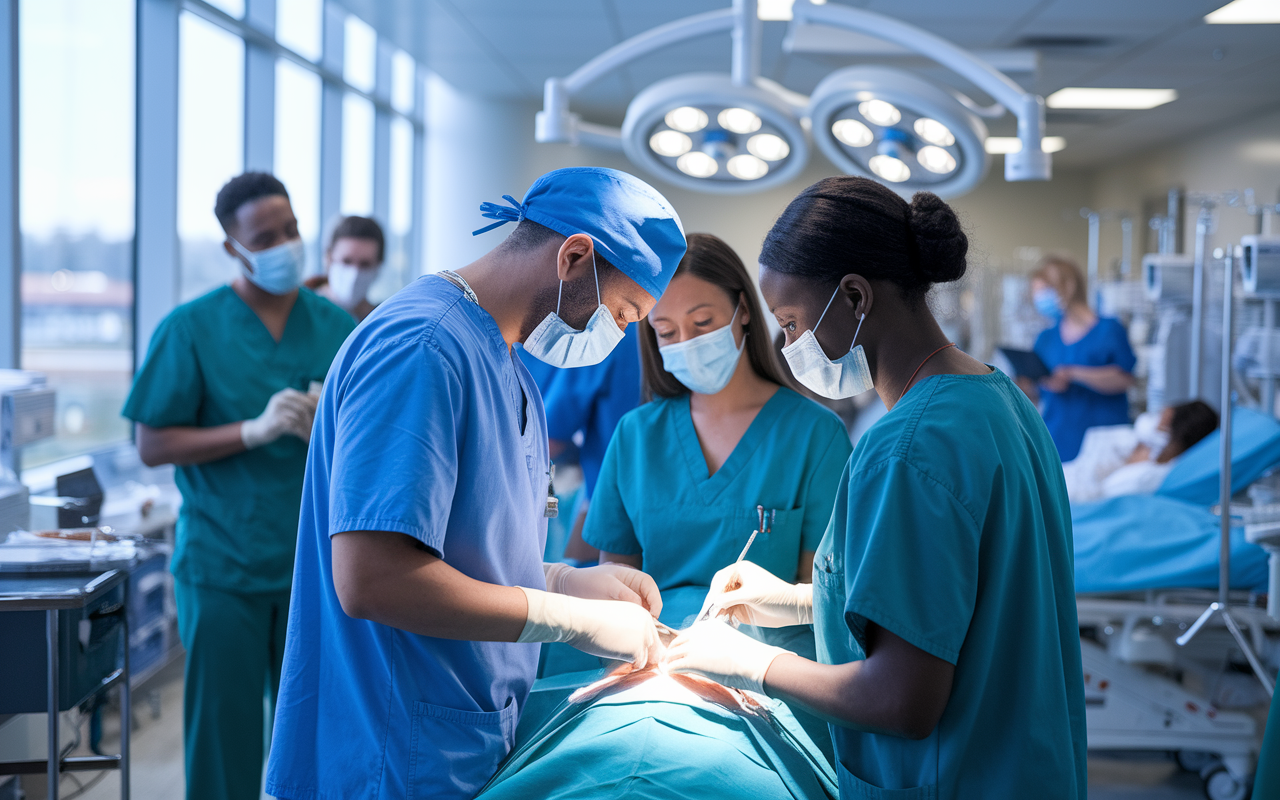
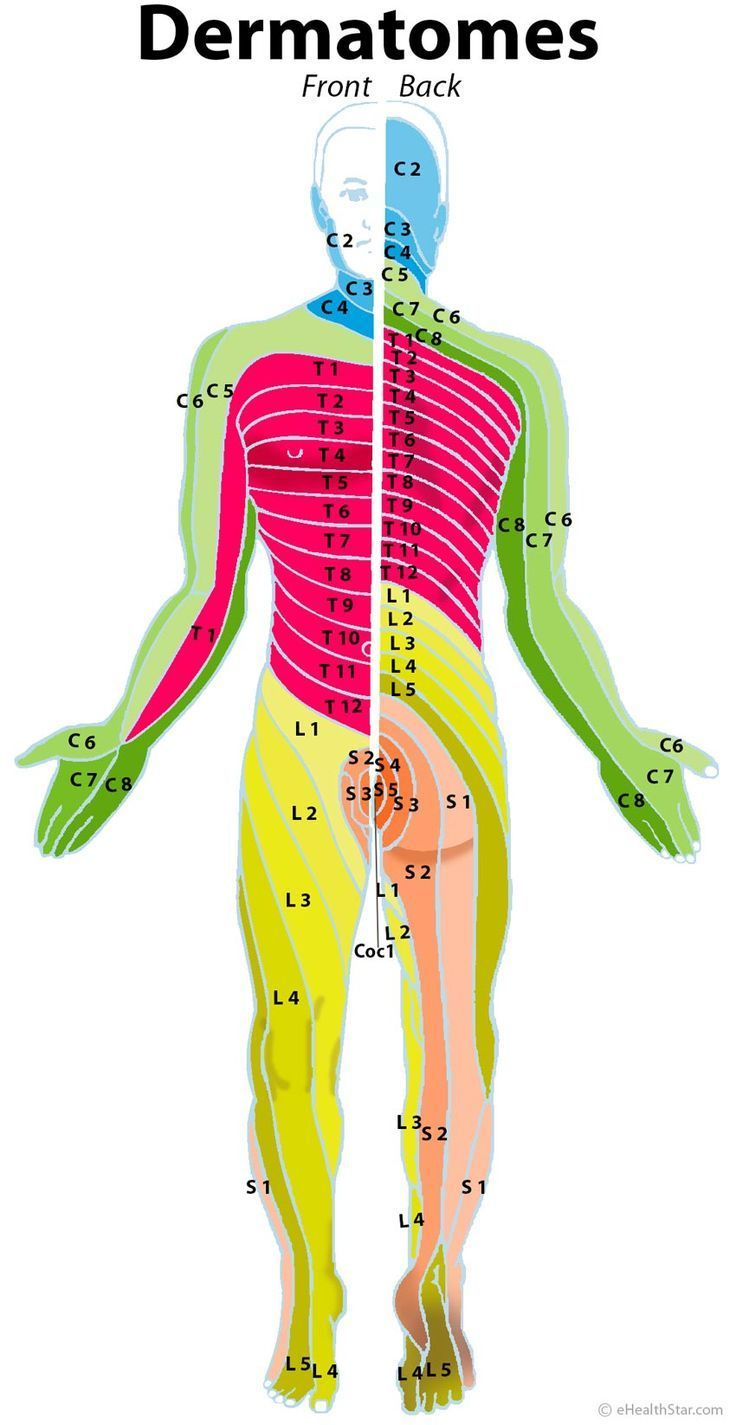
Pope Leo is scheduled to undergo immediate thoracic surgery following the discovery of a suspicious pulmonary mass during routine clinical evaluations. Vatican health officials confirmed the upcoming procedure, prompting intense global scrutiny regarding the Pontiff's fitness, the governance implications for the Holy See, and the precise medical protocols governing papal care.
This development breaks a long-standing pattern of minimal disclosure regarding pontifical health. When a pulmonary nodule or mass is identified in an octogenarian patient, the clinical calculus involves balancing aggressive surgical intervention against the inherent risks of general anesthesia and postoperative complications.
The Anatomy of Papal Health Disclosures
Historically, the Vatican has maintained a posture of guarded opacity concerning the medical conditions of reigning popes. From the final, heavily managed decline of John Paul II to the private medical treatments sought by his successors, information is filtered through a tightly controlled communications apparatus.
When a lung lesion is detected, modern thoracic oncology demands rapid stratification. Physicians must determine whether the mass is primary pulmonary pathology, an inflammatory process, or metastatic disease. The diagnostic pathway typically involves high-resolution computed tomography scans, positron emission tomography imaging, and tissue acquisition via bronchoscopy or transthoracic needle biopsy.
Pope Leo's medical team faces a delicate balancing act. The physical demands of the papacy require immense stamina, international travel, and prolonged public appearances. A surgical intervention on the respiratory system of an elderly leader alters the operational calendar of the Vatican indefinitely. Postoperative recovery for pulmonary resections involves intensive respiratory therapy, pain management, and rigorous monitoring for complications such as atelectasis, pneumonia, or cardiac arrhythmias.
Institutional Continuity and Succession Pressures
The announcement of major surgery for Pope Leo immediately focuses attention on the administrative stability of the Catholic Church. Unlike secular heads of state, a pope holds absolute executive, legislative, and judicial power within Vatican City State, alongside his spiritual mandate as Bishop of Rome.
When a pontiff is incapacitated by general anesthesia or undergoing extended convalescence, governance structures rely on established canon law provisions, yet the practical realities of daily administration shift significantly toward the Secretariat of State and the heads of major dicasteries.
Insiders within the Roman Curia note that prolonged medical absences inevitably accelerate factional maneuvering. Cardinals and curial officials begin to recalibrate their alliances and policy expectations. The uncertainty surrounding recovery timelines creates a vacuum where speculation outpaces institutional reality.
Furthermore, the physical toll of the procedure raises fundamental questions about long-term governance. If the pathology report indicates a need for adjuvant therapies, the physical capacity of the Pontiff to maintain a rigorous global schedule will be severely tested. The Vatican apparatus must prepare for a potential shift toward a more centralized, delegated model of governance where routine decisions bypass the papal apartment entirely.
Clinical Challenges in Geriatric Thoracic Surgery
Performing lung surgery on elderly patients carries elevated physiological risks. Pulmonary compliance decreases with age, chest wall rigidity increases, and functional reserve diminishes. Surgeons must weigh the anatomical extent of the resection against the patient's predicted postoperative forced expiratory volume and diffusion capacity.
Wedge resections, segmentectomies, and lobectomies represent standard interventions depending on the lesion's localization and staging. Minimally invasive video-assisted thoracoscopic surgery or robotic-assisted thoracic surgery has largely replaced open thoracotomy for many procedures, significantly reducing postoperative pain, hospital stay, and complication rates.
Yet, even with advanced techniques, the metabolic stress of major thoracic surgery triggers systemic inflammatory responses. Renal function, cardiac output, and neurological status must be monitored continuously in a secure medical setting. The Gemelli University Hospital in Rome, long recognized as the primary medical facility for pontifical care, possesses the specialized infrastructure required to manage these complex perioperative variables.
The global reaction to Pope Leo's diagnosis reflects not merely religious devotion, but the profound geopolitical influence wielded by the Vatican. As medical teams prepare for the operating theater, the international community watches a rare intersection of high-stakes medicine, institutional tradition, and global leadership play out under intense scrutiny.